Burst Pipe Water Damage in Mableton, GA
When a supply pipe splits inside a wall or ceiling in a Mableton home, water spreads behind the drywall long before it shows. The restoration team opens only what it must, extracts and dries the cavities.
Get the split pipe's water traced and driedOpen 24/7: (888) 532-4616
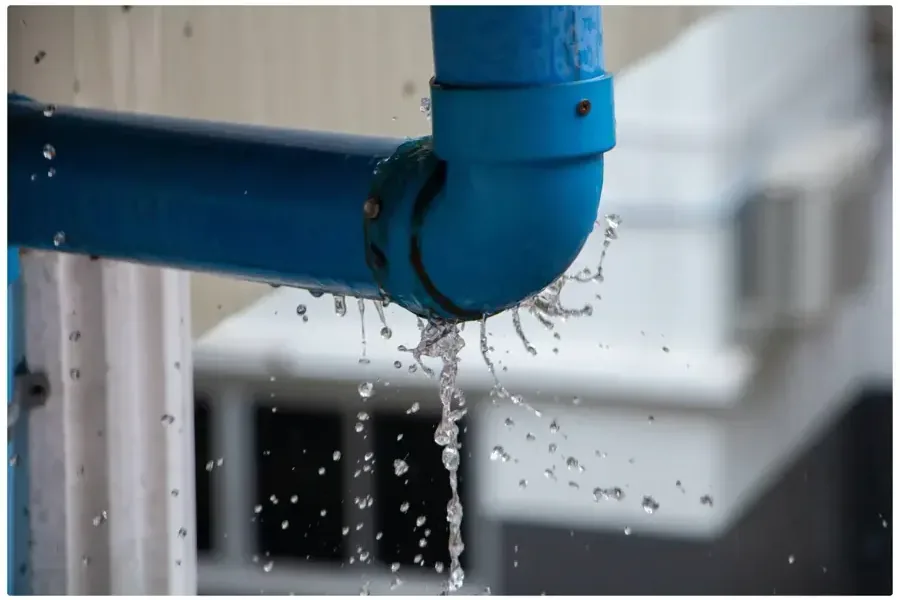
First steps for burst pipe water damage in Mableton
Shut the main
Find the main shutoff in the basement, crawl space or at the meter and close it fully.
Open the lowest faucet
Drain the pressure left in the pipes so the break stops feeding water.
Kill wet circuits
Switch off breakers for rooms where water reached outlets or ceiling lights.
Call a plumber and a drying crew
The plumber repairs the pipe; the restoration team handles extraction and drying.
What does burst pipe water damage cost in Mableton, GA?
Burst pipe water damage here typically runs $1,200 to $8,000, depending on how many rooms and floors the water reached. The water category, square footage, material class and how fast drying started move the number most.
One wall or one room
$1,200 to $3,000- Extraction and vent holes
- Wall cavity drying
- Daily readings
Ceiling and the floor below
$3,000 to $5,500- Wet ceiling drywall removed
- Insulation pulled
- Two rooms drying
Several rooms or levels
$5,500 to $8,000- Flooring lifted
- Several dehumidifiers
- Subfloor drying
These are typical ranges, not a quote. The water category, the square footage, the material class and how fast drying started move the number most. The water damage cost calculator gives a planning range.
What a complete burst pipe water damage job includes
The order of the work is what separates a finished dry-out from a cosmetic one.
Dispatch around the clock
The response team works 24/7 and sends the nearest available crew with pumps, meters and drying gear on the truck.
Measured to IICRC S500
Moisture mapping comes first, and the equipment stays until readings match a dry reference, not until a room looks dry.
A claim file built daily
Most crews log moisture readings every day and take timestamped photos before anything is cut out, so the file matches the loss.
Built for clay, creeks and crawlspaces
Daylight basements, crawlspaces under postwar ranches and creek-side lots are everyday work for local restoration pros.
A burst pipe releases clean water under full pressure, often several gallons a minute, until someone closes the main. Because supply pipes run inside walls, ceilings and floor cavities, most of that water goes where nobody can see it. The job is finding all of it, not just mopping what reached the floor.
Why pipes fail in older south Cobb houses
The pipe in the wall depends on when the house was built. The oldest homes still carry galvanized steel that rusts from the inside out. Postwar ranches usually have copper that develops pinholes and weak solder joints. Many homes from the late 1970s to the mid 1990s were plumbed with gray polybutylene, which is known for splitting at its fittings with little warning.
- Galvanized steel: rust, low pressure and leaks at the threads
- Copper: pinholes and failed solder joints
- Polybutylene: cracks at fittings and crimp rings
- PEX: punctures and failed connections, rarely the pipe itself
Pipe still spraying? Close the main, then get the drying started.
Trace the burst pipe water nowFinding water behind walls and ceilings
The tech scans walls and ceilings with a thermal camera, then confirms with pin and pinless meters. A wet ceiling below a break is checked before anyone walks under it. Small vent holes along the base of a wall often let air movers dry the cavity without full removal, while drywall that sags or is soaked through comes out in clean cuts. Wet insulation in an outside wall holds water like a sponge and is pulled.
Who fixes the pipe, and when it froze first
A plumber repairs or replaces the failed section. The restoration team handles the water: extraction, moisture mapping, controlled removal and drying, with readings logged daily for the insurer. A pipe that split in a cold snap often leaks on the thaw in a crawl space or attic, which is covered on the frozen pipe water damage page. The drying itself is explained under structural drying.
Outside references: EPA WaterSense leak checks and Georgia Office of the Commissioner of Insurance.
How burst pipe water damage is handled, start to finish
- 01
Stop and trace
Confirm the shutoff and follow the water path.
- 02
Extract
Pull standing water from floors and carpet.
- 03
Open and map
Vent or cut wet drywall where readings call for it.
- 04
Dry and verify
Run air movers and dehumidifiers to a dry reading.
Burst pipe water damage across Mableton and south Cobb
Coverage runs across ZIP 30126, from the older streets off Floyd Road out along Veterans Memorial Highway and South Gordon Road, down to the homes near Nickajack Creek and the Chattahoochee River side.
Nearby coverage reaches Austell, Smyrna, Vinings, Powder Springs, Lithia Springs, Marietta, Atlanta, Kennesaw.
Burst Pipe Water Damage questions, answered
Should the water heater be turned off after a pipe bursts?
If the main stays closed for long, setting a gas heater to pilot or switching off an electric heater protects the tank. The pipe repair and the drying can go ahead either way.
Can drywall be dried after a burst pipe?
Often, yes. Clean water caught early can be dried in place through small vent holes. Drywall that sags, crumbles or stayed wet for days is cut out, along with soaked insulation behind it.
How can I tell water is still inside the wall?
Stains, bubbling paint, a soft baseboard or a musty smell all suggest it. A thermal camera and a moisture meter confirm it without opening the wall.
Is polybutylene pipe a problem in Georgia homes?
Many houses built from the late 1970s to the mid 1990s still have it. It tends to fail at fittings with little warning, and many owners replace it after the first leak.
Does homeowners insurance cover a burst pipe?
A sudden pipe burst is often covered after the deductible, while long, slow leaks often are not. Coverage depends on your policy, so check with your own insurer.
How long does drying take after a burst pipe?
Most burst pipe losses dry in three to six days. Hardwood floors, plaster and soaked subfloors take longer, and the equipment stays until readings say dry.
Water running behind the walls?
The drying team maps the wet cavities, opens only what it must and dries the framing.