East Point water damage restoration
Burst pipes, storm water and sewage backups can soak a home in East Point fast. Extraction crews pull the water out, and drying teams dry the structure before damage spreads.
Get water out of the houseOpen 24/7: (888) 532-4616
Extraction pumps, air movers, dehumidifiers and moisture meters go to every job, so drying starts with the right tools.
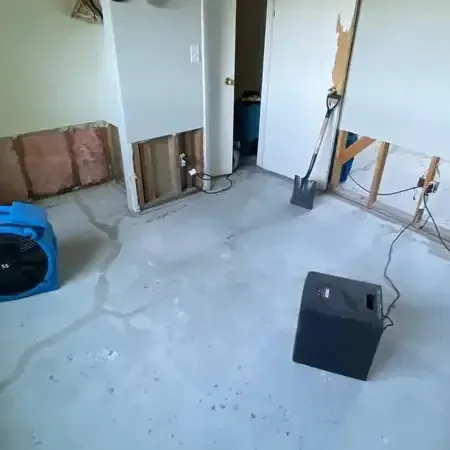
What to do in the first moments of a leak
Stop the source
If it is safe, shut off the main valve or the fixture supply so water stops spreading across floors and walls.
Protect the electrics
Stay clear of outlets, cords and breaker panels near wet floors, and leave the power off until the area is checked.
Move small items out
Lift rugs, books and electronics onto dry surfaces, but leave heavy furniture where it stands.
Call and take photos
Photograph the damage for the insurance file, then call so the extraction crew can plan the job.
Water and sewage problems the crews handle
From a ruptured supply pipe to a swollen creek, each kind of loss calls for its own method of removal, drying and cleanup, and the cards below cover each one.
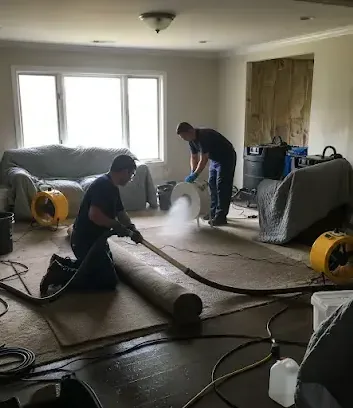 Water Extraction and RemovalPumps and extraction wands pull standing water from floors and carpet before it climbs walls and settles into subfloors.Open the service
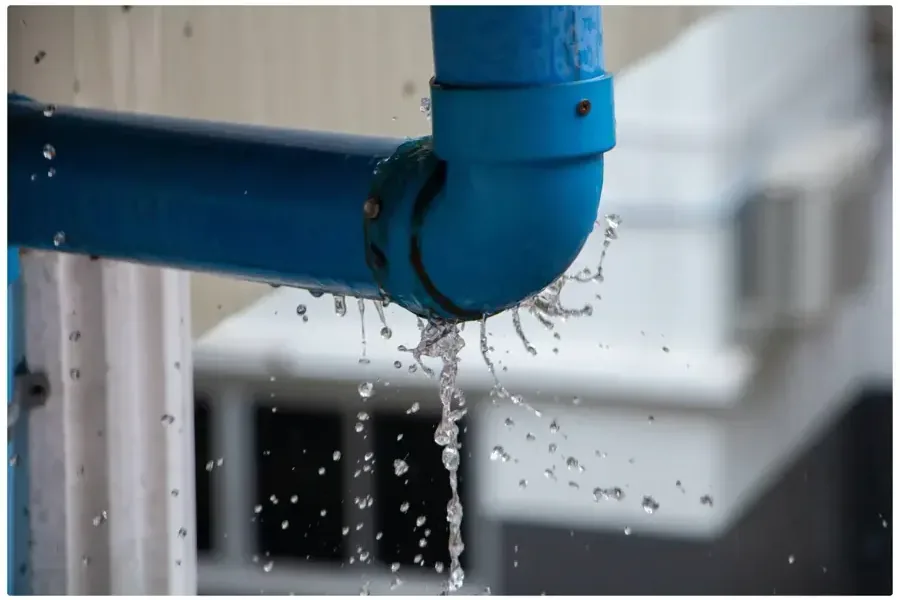 Burst Pipe Water DamageA ruptured supply pipe sends water through walls and ceilings, and the crew dries every cavity it reached.Open the service
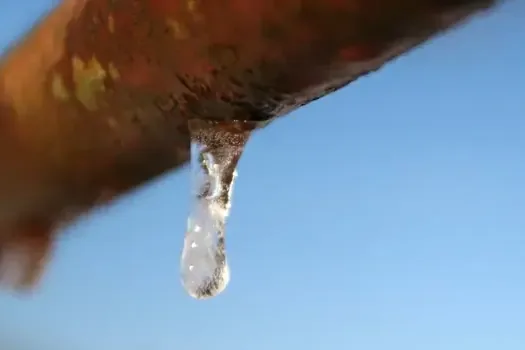 Frozen Pipe Water DamageWinter freezes split pipes in attics and crawl spaces, and the thaw releases water behind finishes nobody can see.Open the service
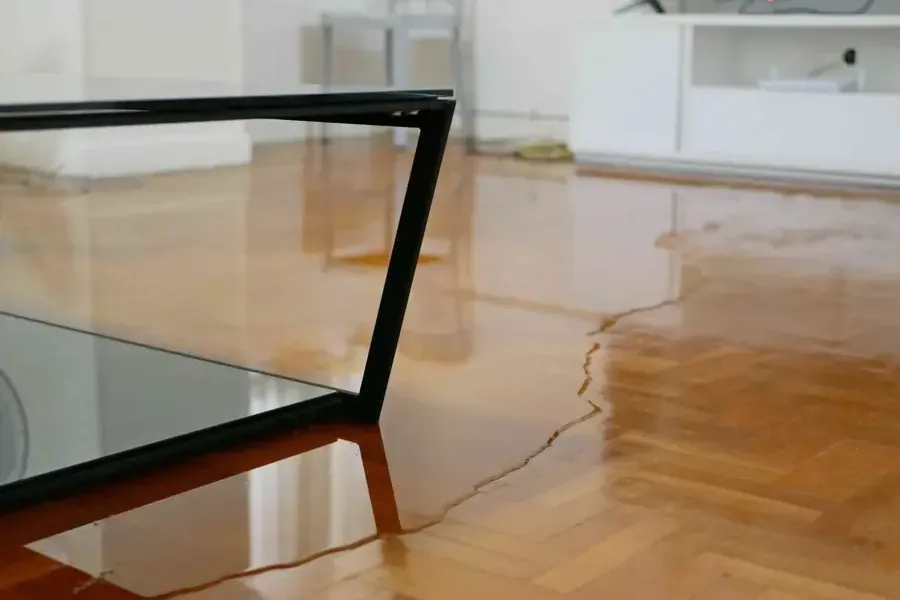 Slab Leak Water DamageDamp flooring or a rising water bill can point to a leak under the slab, and crews trace where it spread.Open the service
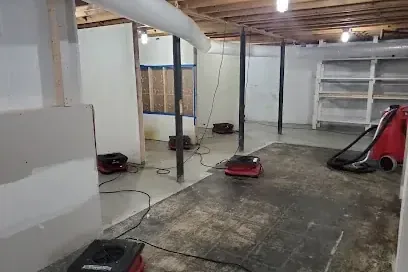 Basement Flooding CleanupWhen rain or a failed pump floods a lower level, crews remove the water, pull wet materials and start drying.Open the service
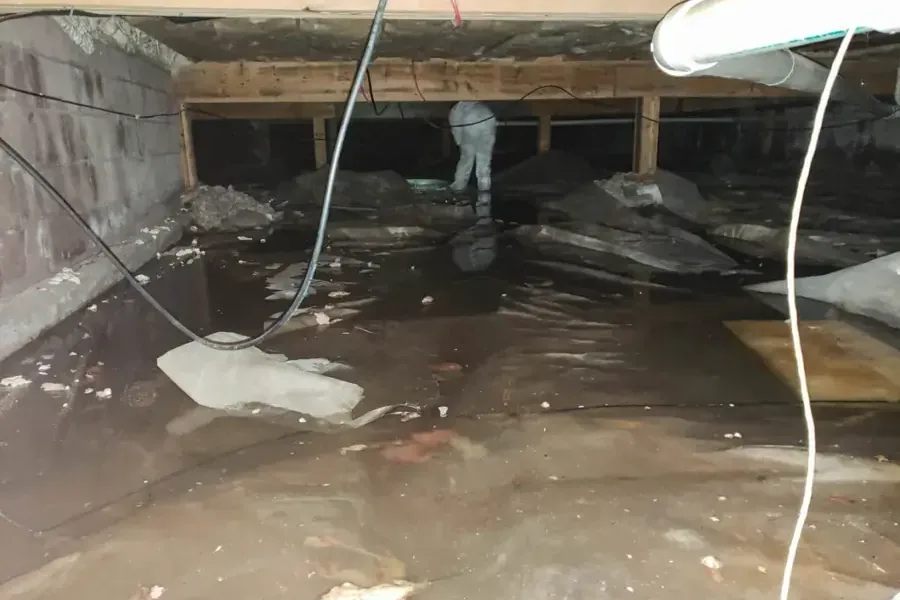 Crawl Space Water RemovalLow spots near creeks can leave water pooled under a house, so crews pump it out and dry the framing above.Open the service
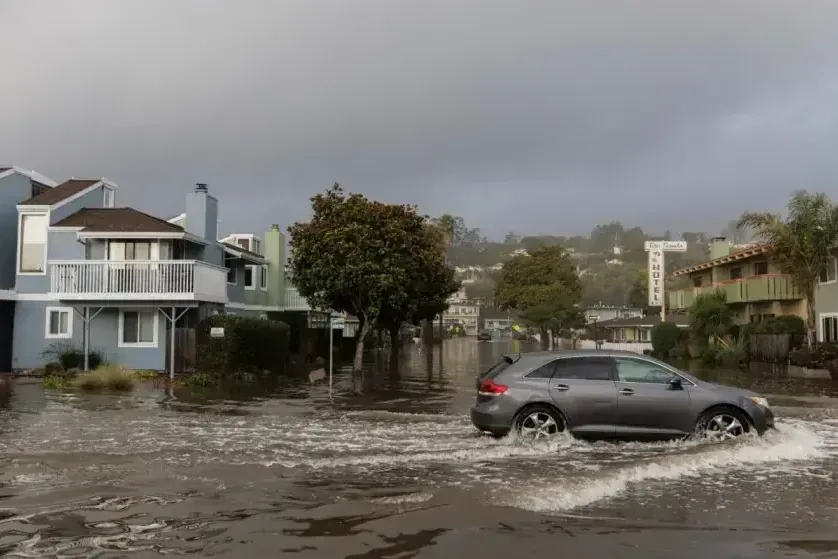 Storm and Flash Flood CleanupHeavy rain and rising creeks push water into homes, and the response covers removal, cleanup and drying of what it reached.Open the service
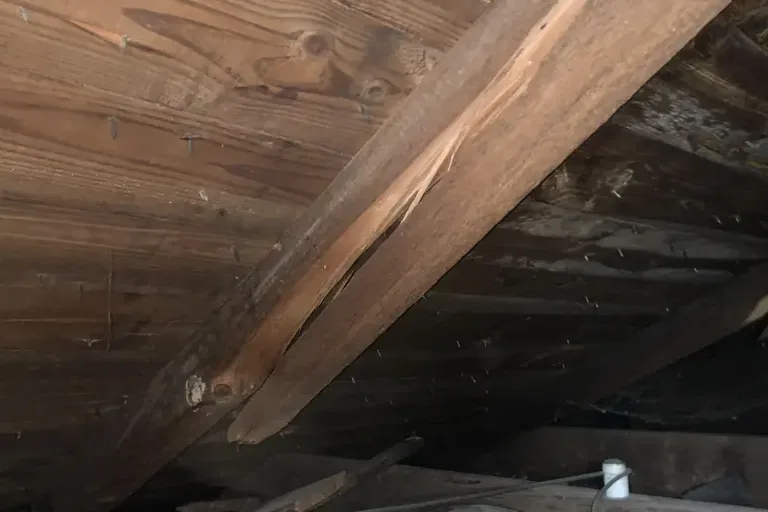 Roof Leak Water DamageRain that gets past shingles soaks attic insulation and ceilings below, and the drying team follows the water down.Open the service
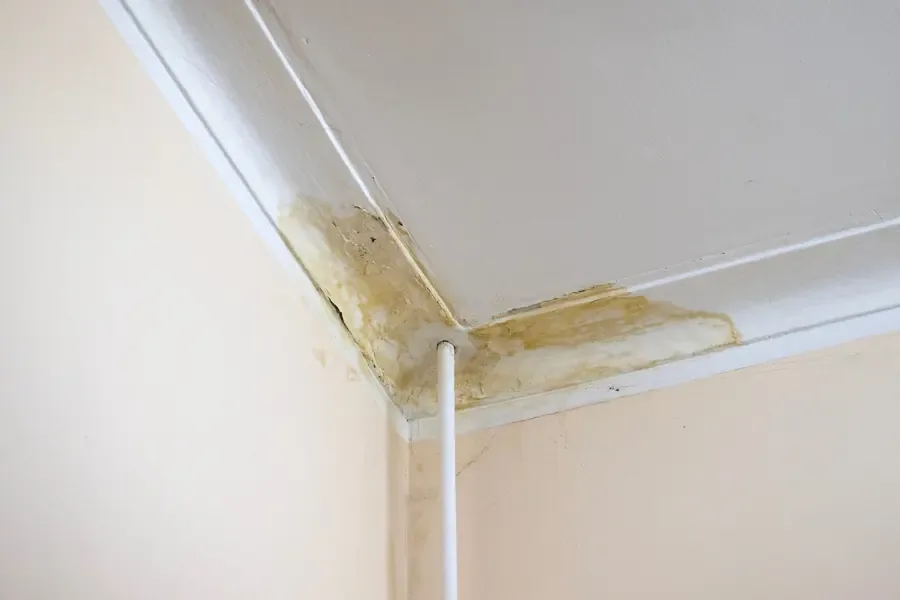 Ceiling Leak Water DamageA brown stain on a ceiling means water is trapped above it, so the mitigation team opens the area and dries it.Open the service
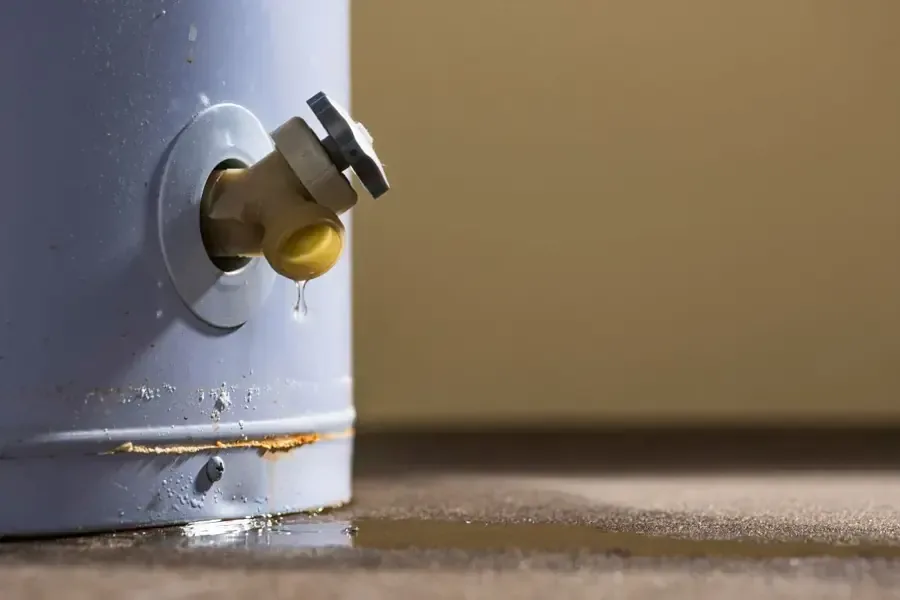 Water Heater Leak CleanupA failing tank can soak a closet, garage or utility room floor and the walls beside it.Open the service
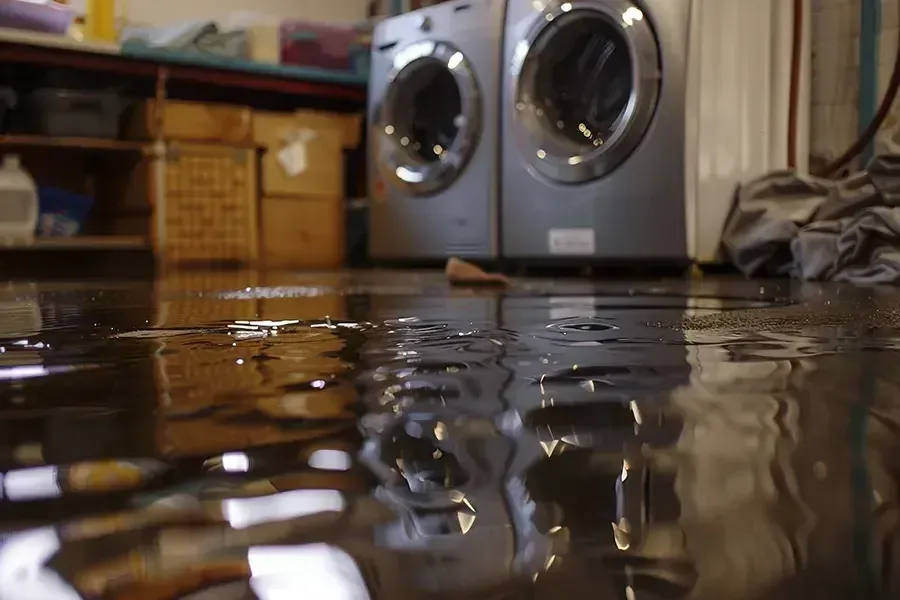 Appliance and Supply Line LeaksWashers, dishwashers and supply hoses leak behind cabinets and under floors where the damage stays out of sight.Open the service
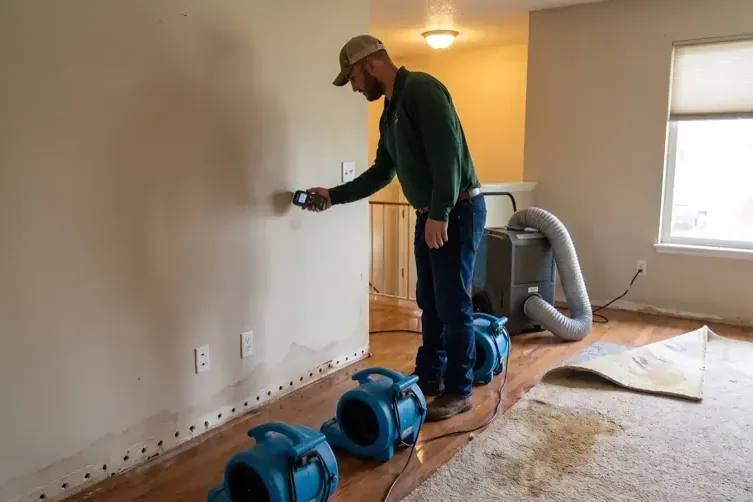 Structural Drying and DehumidificationFans, dehumidifiers and moisture meters bring wet framing and subfloors back to normal readings before repairs begin.Open the service
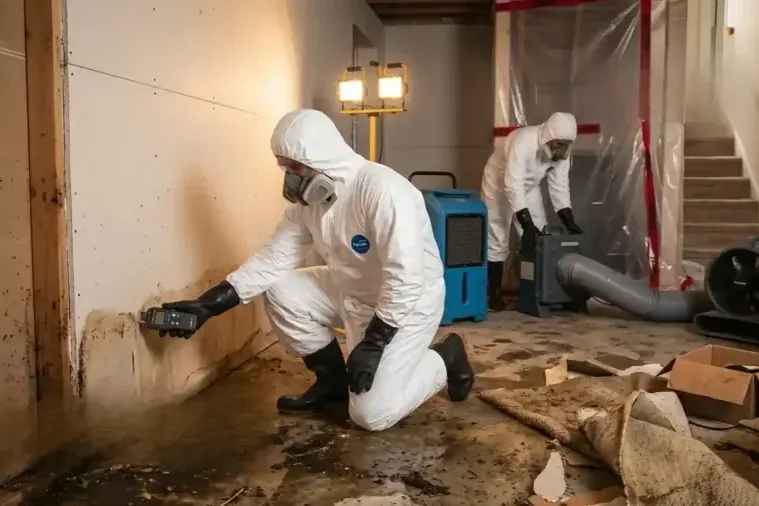 Sewage Backup CleanupBacked up drains and overflows bring contaminated water indoors, so the cleanup removes it and sanitizes what it touched.Open the service
 Commercial Water DamageShops, offices and business parks need drying that limits downtime and protects stock, flooring and walls.Open the service
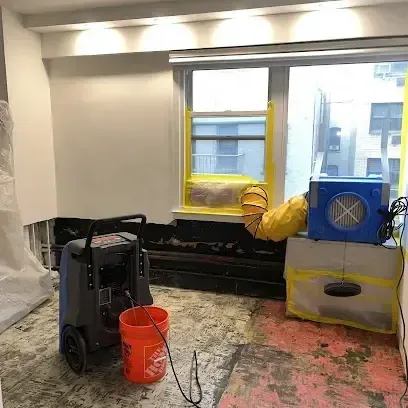
Drying judged by readings, not by feel
Moisture readings, not appearances, decide when a structure is dry, which is why each job keeps a log from the first meter reading to the last.
Open day and night
Water damage does not wait for business hours, so help is available at any hour, including weekends and holidays.
Equipment sized to the job
Air movers and dehumidifiers are matched to the room volume, so small leaks do not get oversized setups.
Clear moisture records
A written log of daily readings shows the insurance adjuster exactly what was wet and when it dried.
Focused on wet structures
Because the work is limited to water and sewage, the equipment on each truck matches the job at hand.
How each job moves from first call to dry structure
Each job follows the same order: stop the water, remove it, dry the structure and confirm the readings. Skipping a step is how damp framing turns into a bigger repair later.
- 01
Find the water
The crew traces wet areas with moisture meters and a thermal camera, so hidden water is found before anything is removed.
- 02
Remove the water
Pumps and wands pull standing water, and soaked padding or drywall that cannot be saved comes out right away.
- 03
Dry the structure
Air movers and dehumidifiers run until framing, subfloors and flooring reach normal readings, which are checked and written down.
- 04
Hand over the records
The final visit closes with a moisture log and photos, so the paperwork matches what the crew actually did.
Three kinds of losses crews see most
Pipe and supply leaks
Cracked fittings and split pipes soak walls and ceilings from the inside, often while the house is empty.
Burst pipe cleanupAppliance and hose failures
A washer hose or dishwasher supply can leak for days under flooring before a stain appears.
Appliance leak helpSewer and drain backups
When drains overflow, contaminated water enters a home and the cleanup needs protective gear and sanitizing.
Sewage backup cleanupWhat water damage restoration usually costs
Costs here run from about $1,000 for a small clean water leak to $12,000 or more for widespread damage. The amount of water, the materials it reached and how long it sat all decide the final price.
Small clean water leak
$1,000 to $3,000- One room or one wall
- Clean water from a supply pipe
- Short drying period
Several rooms or a lower level
$3,000 to $7,500- Water in walls and flooring
- Added drying equipment
- Daily moisture checks
Widespread or contaminated water
$7,500 to $12,000+- Storm or sewage water
- Materials removed and replaced
- Longer dry out
Final pricing depends on what the crew finds at the property. The city says homeowner policies do not cover flood damage, so separate flood insurance is worth checking.
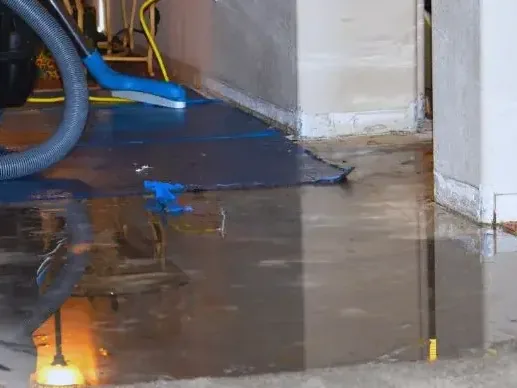
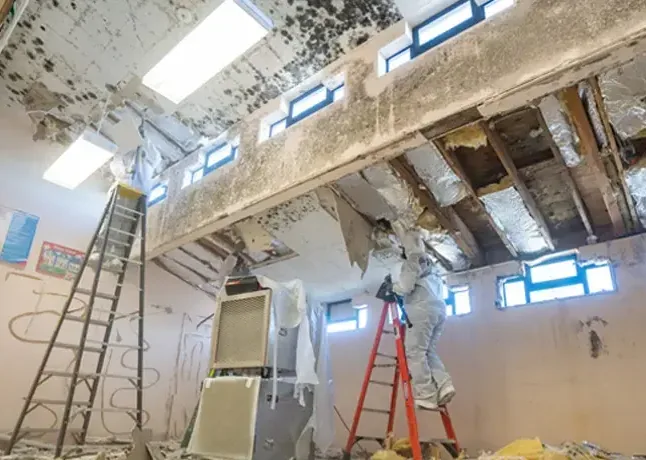
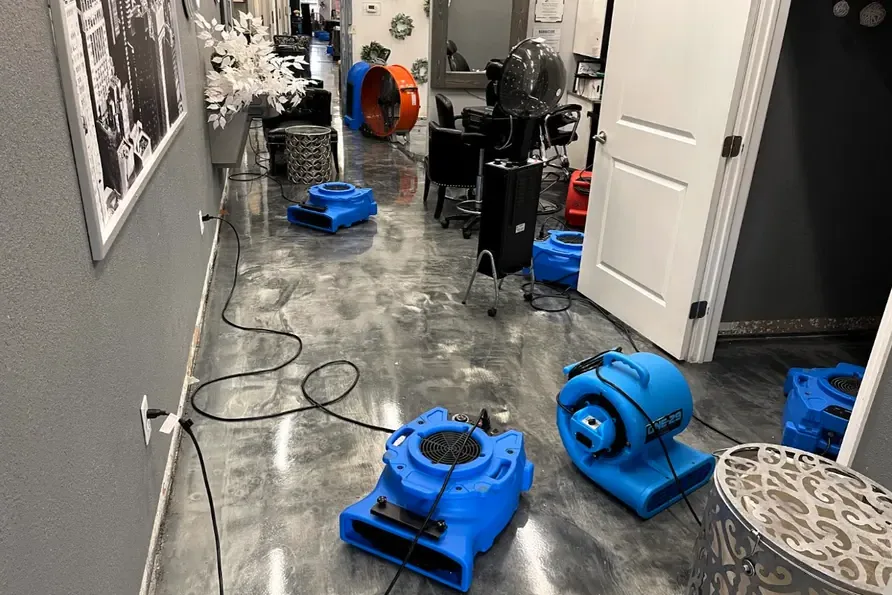
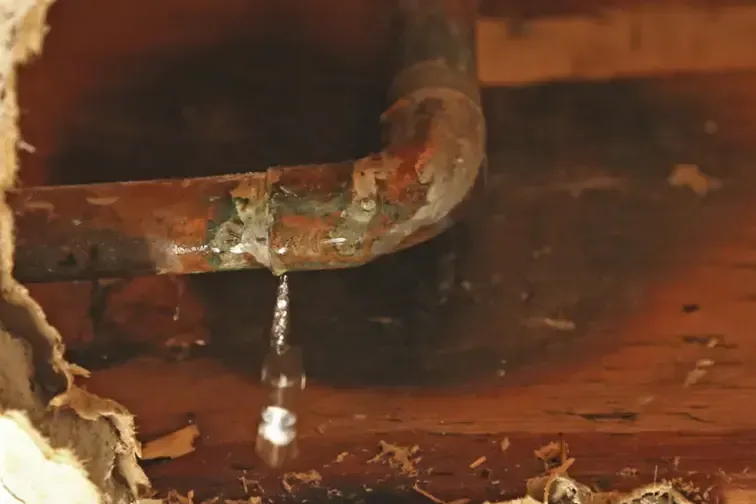
What the work looks like during a dry out
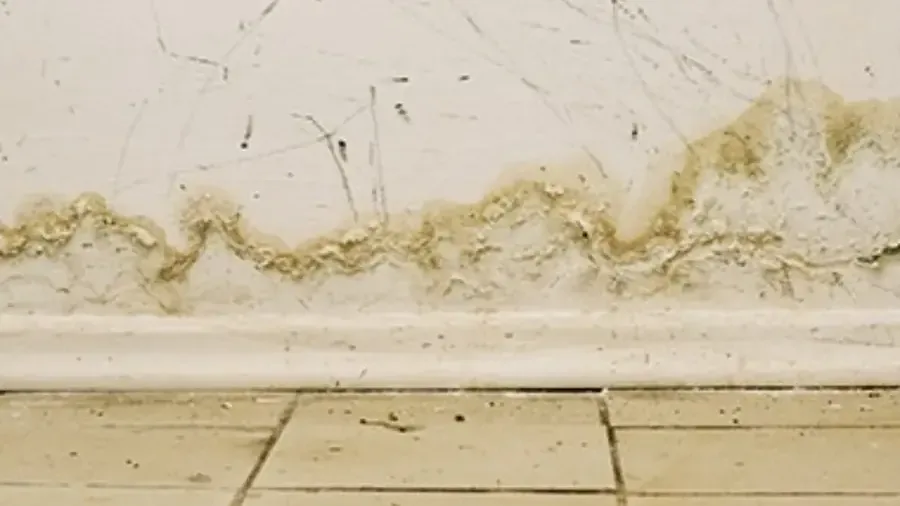
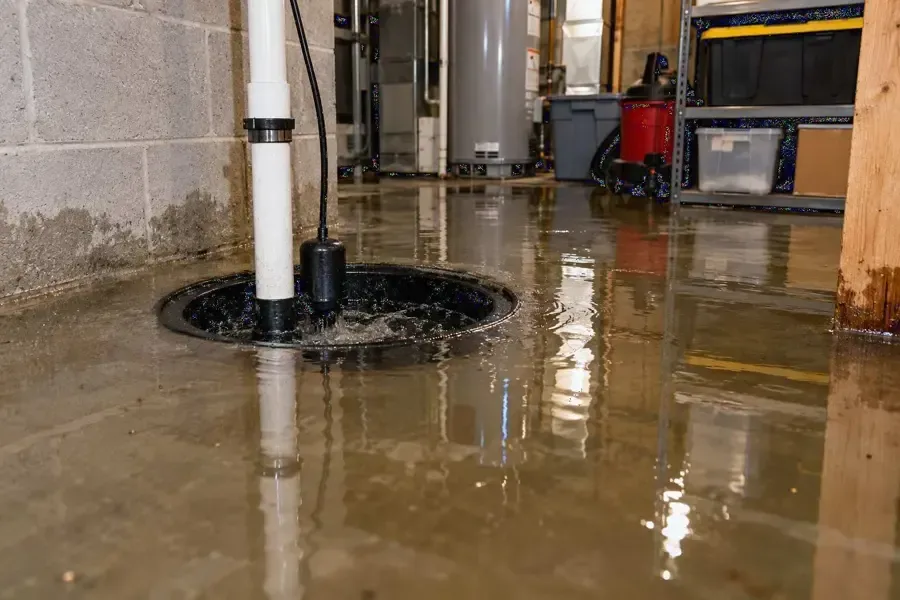
Documenting damage for your insurer
Insurers ask for proof of what the water reached and when it happened. Records made during the cleanup answer those questions before a dispute starts.
Photos of every wet room and damaged item
Make and age of any failed appliance or fixture
Date and time the water was first noticed
Moisture readings and the daily equipment log
Receipts for emergency repairs and removed materials
Neighborhoods and corridors the crews cover
Corridors and areas
Nearby towns
Also serving nearby cities
Crews work across the south side of Atlanta, including the older streets around downtown East Point.
Homes near Camp Creek, Utoy Creek and the South River are where drainage trouble tends to show first, so those streets get the most attention in storm season.
East Point, GA · [email protected]
Open day and night, every day of the year
Check your street on the area pageWhy water damage happens here
Creeks, aging pipes and heavy rain each put local homes at risk, and several areas have flooded from Camp Creek, Utoy Creek and the South River.
- Creek flooding Camp Creek, Utoy Creek and the South River have flooded parts of the city, and low lying areas near streams are the most exposed.
- Rainy season Flooding most often arrives from June to November, and the city sends CodeRED calls for tornado, flash flood and severe weather warnings.
- Corroding water pipes The city says water pipes corrode inside and weaken outside from moisture, shifting earth and tree roots, which can lead to leaks.
- Sewer overflows The city says groundwater leaking into the sewer system can take up space needed for sewage and cause overflows and backups.
- Grease and household drains About 85 percent of grease related sewer blockages and overflows start in residential areas, according to the city, so kitchen drains matter.
September 2025 A collapsed 18 inch concrete sewer trunk released an estimated 18,800 gallons of untreated wastewater into the South River during two days.
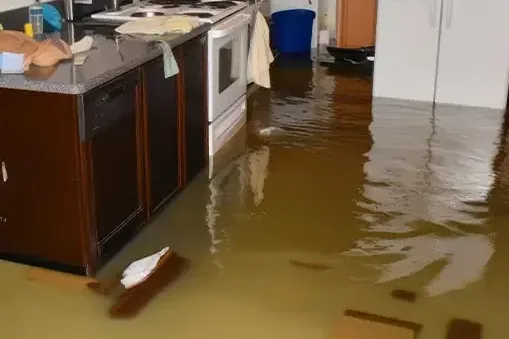
Common water damage questions
How fast does water damage spread in a home?
Water moves into drywall, subfloors and insulation quickly, and the 24 to 48 hour window is when mold growth can begin. Removing standing water and starting drying early limits how far it travels and how much has to be replaced.
Which months bring the most flooding risk?
The city says flooding most commonly occurs in the rainy season from June to November. Its most recent major floods came in the fall of 2009 and the winter of 2010, with water 1 to 3 feet deep in some areas.
Will homeowner insurance pay for flood damage?
The city says homeowner insurance policies do not cover flood damage, and the National Flood Insurance Program lets residents buy separate flood coverage. Pipe, appliance and roof leaks fall under different terms, so the policy is worth checking.
Who handles a sewer overflow in the street?
The city's Water and Sewer Department covers sewer overflows and backups around the clock and does site visits for flooding, drainage and sewer problems. Cleanup inside a building is a separate job that needs protective gear and sanitizing.
Can a leak be dried without tearing out walls?
It depends on what the meters show. Small wet areas can often be dried in place with targeted airflow, while saturated drywall or insulation is cut out so the cavity can dry.
What does UtilityHawk have to do with leaks?
UtilityHawk is a city service that lets customers monitor water and electric use and set alerts. An unexplained jump in water use can be an early sign of a hidden leak, including one under a slab.
How long does structural drying take?
Most structures need several days of equipment running, and the time depends on the materials, how much water was absorbed and the humidity indoors. Readings, not the calendar, decide when the equipment is removed.
Are older bungalows harder to dry?
Older homes, like the bungalows and cottages around downtown, often have layered flooring and enclosed wall cavities, which can slow drying. The crew checks inside the cavities rather than trusting what the surface feels like.
Does the crew work on businesses too?
Yes. Shops, offices and suites in areas such as Camp Creek Business Center and South Meadow Business Park face the same pipe, roof and sewer problems, so the crew plans work around tenants and opening hours.
What should be kept after the water is gone?
Keep photos, receipts, the moisture log and any damaged items the adjuster wants to see. Throwing out ruined belongings too early can make it harder to show what was lost.
Water in the house cannot wait, so call now
Describe what happened and a response team will plan extraction, drying and cleanup for the property.