Water Damage Restoration Atlanta, GA
Peachtree Creek in the yard, a ceiling leak in a converted loft or a sewage backup in a bungalow in Atlanta? The crew pulls the water out, dries the building to IICRC S500 and records every reading.
Put a pump on the flooded roomsOpen 24/7: (888) 532-4616
If water is still running, close the main shutoff first and photograph each wet room before anything is moved.
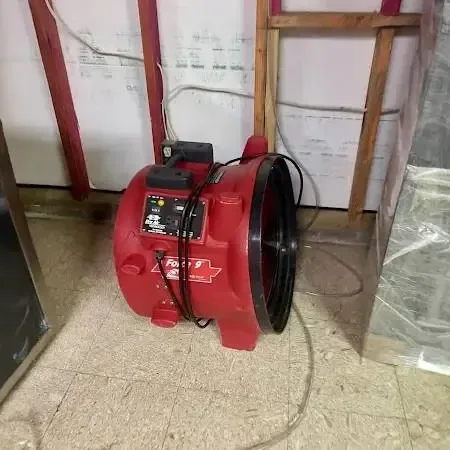
Four steps that keep a water loss from spreading
Close the main
Shut the main valve near the meter or where the supply pipe enters the house, or the valve at the fixture.
Report a street break
Water bubbling up in the street goes to the city's Department of Watershed Management, which takes leak reports around the clock.
Switch off wet circuits
Turn off breakers for flooded rooms from a dry panel, and never wade toward the panel.
Photograph, then lift
Shoot every wet room before anything moves, then raise rugs, papers and electronics off the floor.
Water Damage Restoration Services in Atlanta, GA
Fourteen kinds of water loss across the city, from Peachtree Creek flooding in Buckhead to ceiling leaks in West Midtown lofts and sewage backups in older eastside homes.
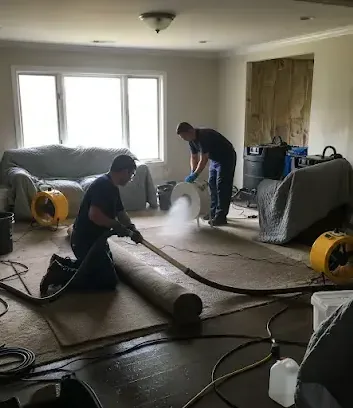 Water Extraction and RemovalStanding water pulled from carpet, hardwood and tile with truck-mounted and portable units before any drying gear is set.Open the service
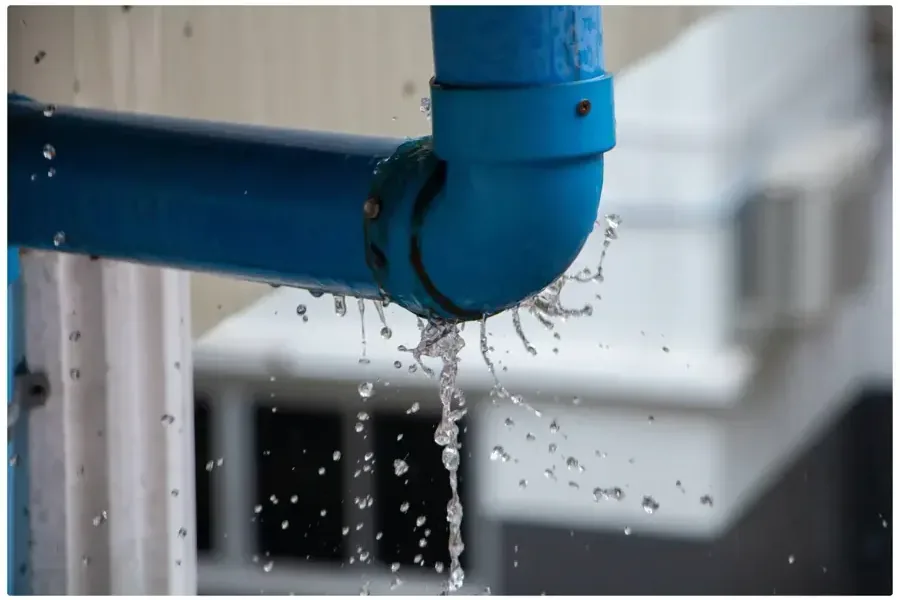 Burst Pipe Water DamageSupply pipes that split inside walls, ceilings and floors, extracted and the hidden cavities mapped and dried.Open the service
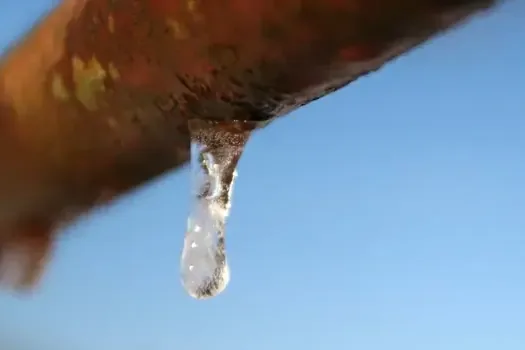 Frozen Pipe Water DamagePipes that crack in an ice storm or a hard cold spell and flood the house once they thaw.Open the service
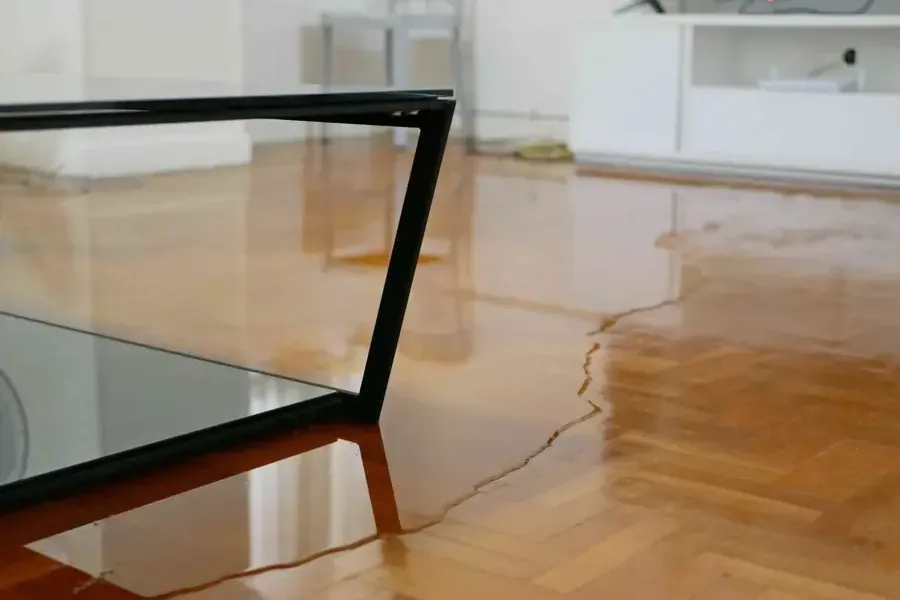 Slab Leak Water DamageLeaks under concrete floors traced by a plumber, then the wet flooring lifted and the slab dried.Open the service
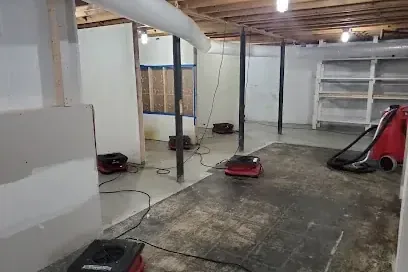 Basement Flooding CleanupLower levels cleared after hard rain, a sump that quits or a drain that backs up.Open the service
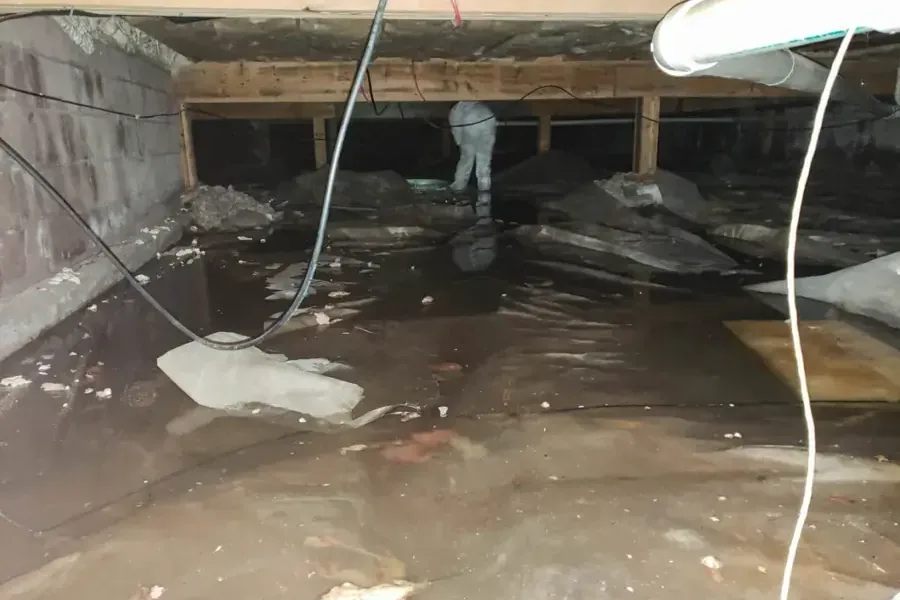 Crawl Space Water RemovalWater under raised floors pumped out, wet batts removed and the framing above brought back to dry.Open the service
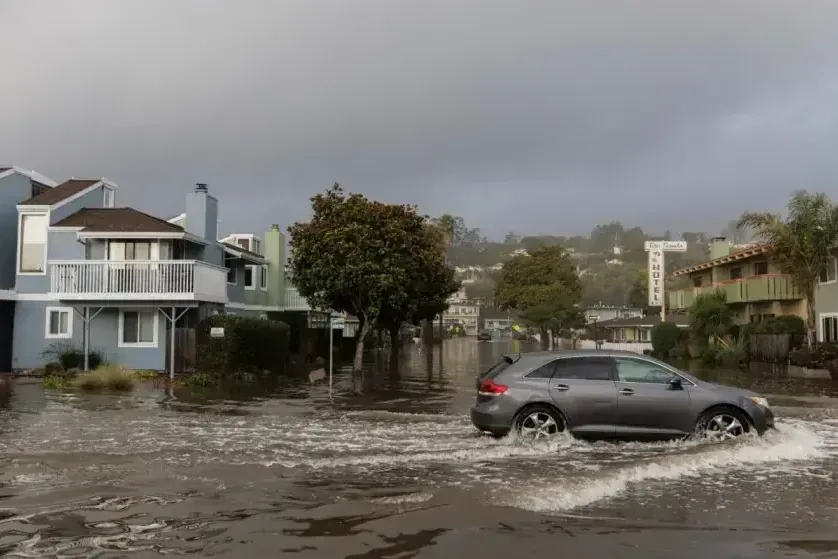 Storm and Flash Flood CleanupCreek and street water that gets inside treated as Category 3, with soaked drywall and flooring cut out.Open the service
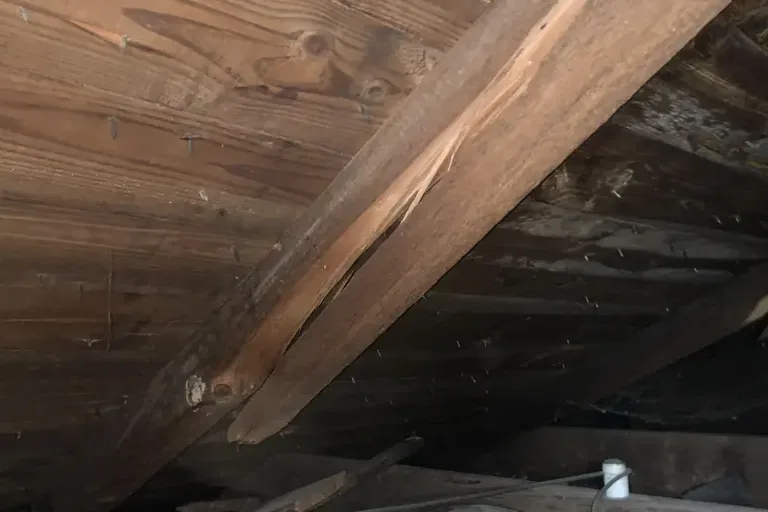 Roof Leak Water DamageStorm rain that gets past the roofing into the attic, with soaked insulation removed and ceilings dried.Open the service
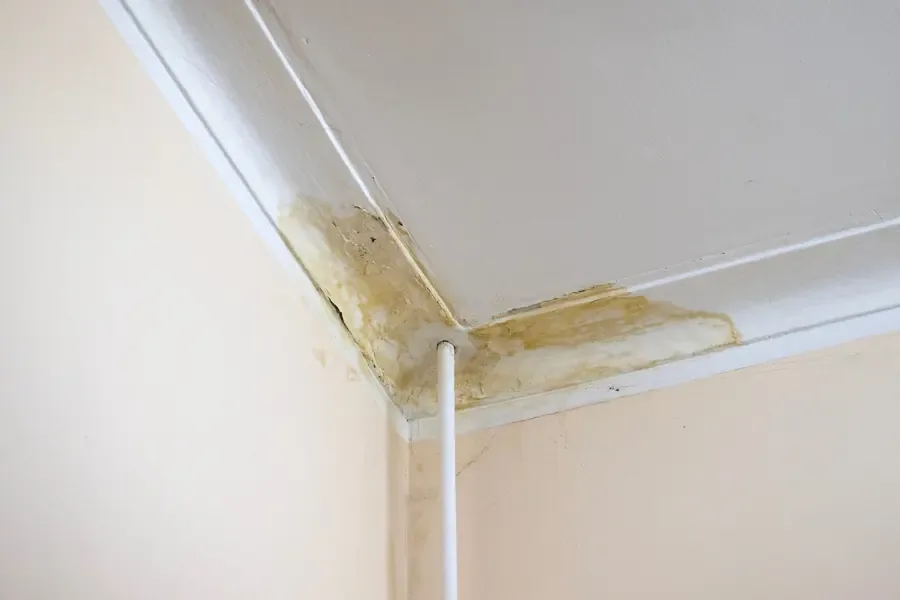 Ceiling Leak Water DamageWater from an upstairs bath, a pipe in the floor or the unit above found, the ceiling opened and dried.Open the service
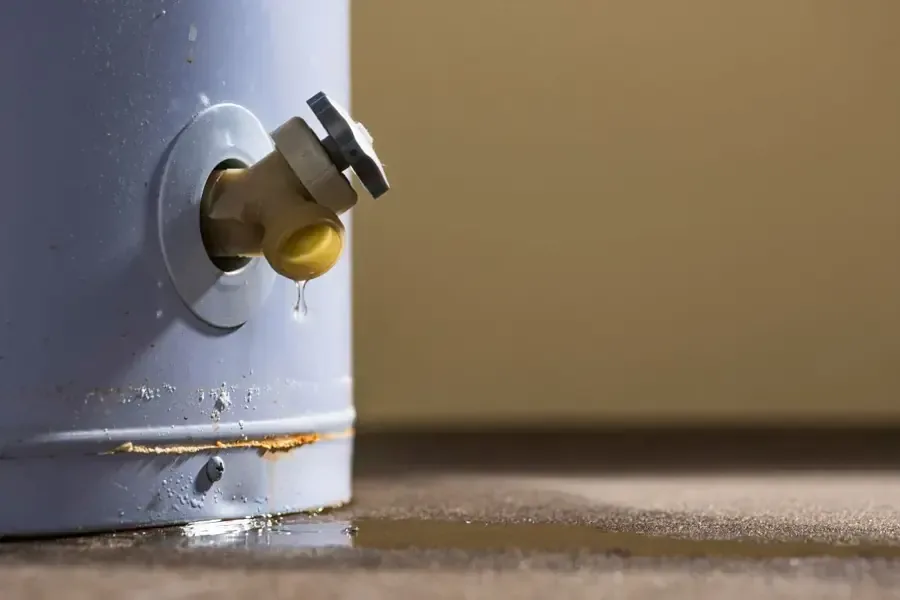 Water Heater Leak CleanupCloset, garage and basement tank failures extracted before floors and stored belongings soak through.Open the service
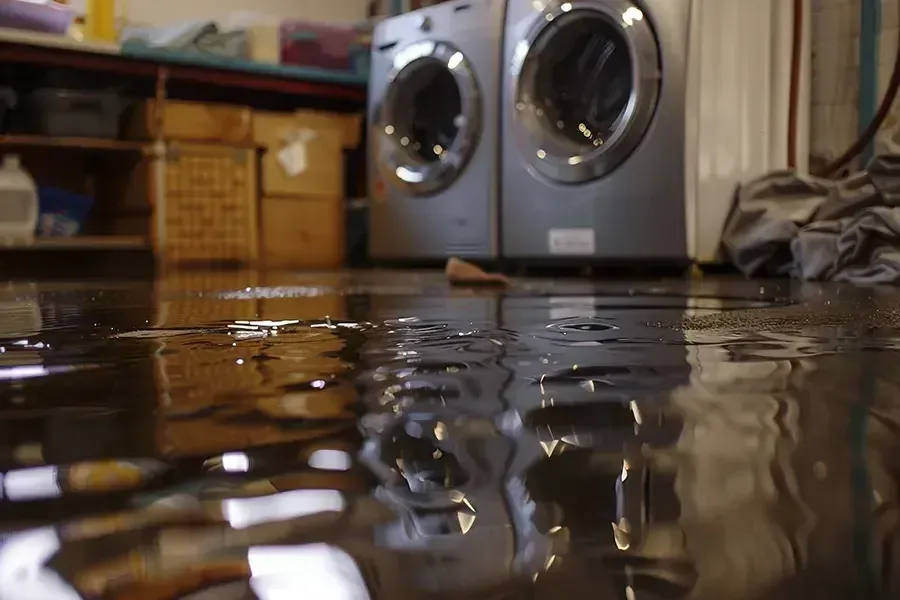 Appliance and Supply Line LeaksKitchen and laundry leaks that creep under cabinets and floors, found with meters and dried out.Open the service
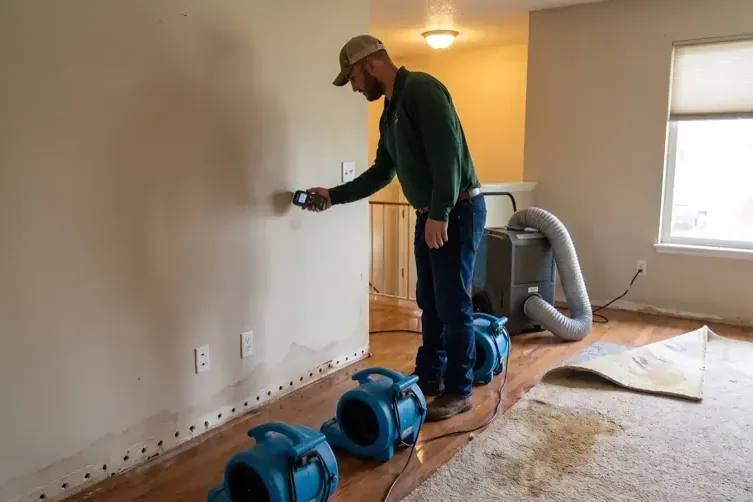 Structural Drying and DehumidificationWalls, framing, plaster and subfloor brought down to a measured dry goal with LGR dehumidifiers and air movers.Open the service
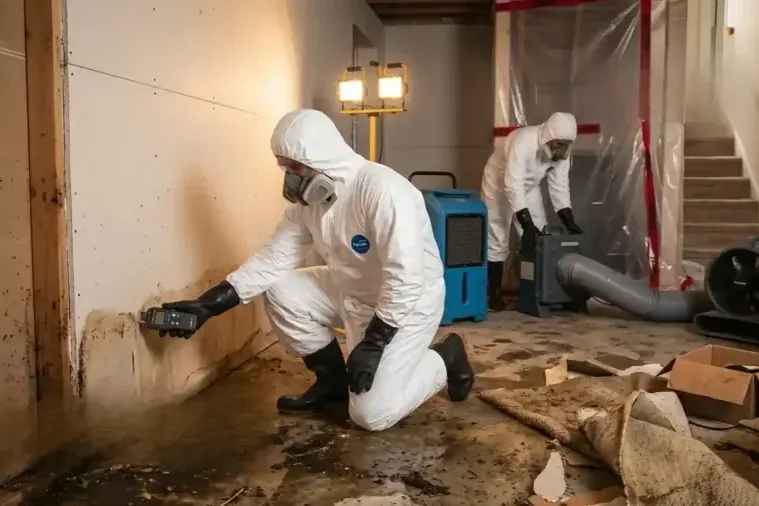 Sewage Backup CleanupBackups from toilets, floor drains and cleanouts treated as Category 3, with touched materials removed and surfaces disinfected.Open the service
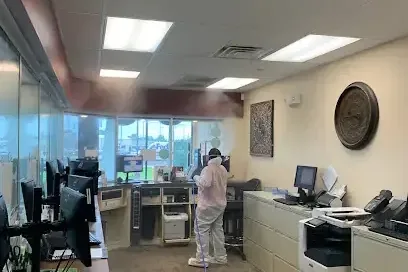 Commercial Water DamageOffices, shops, clinics and apartment buildings dried in phases so dry areas stay open.Open the service
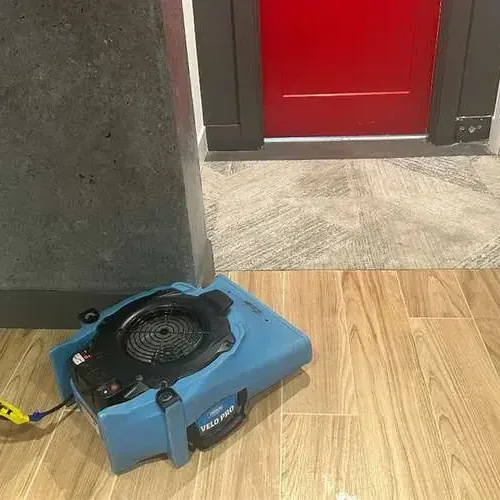
Drying plans for bungalows, lofts and creek-side homes
Extraction crews pull out standing water, then drying teams bring wet framing, floors and walls down to a measured dry goal and keep a daily log the insurer can follow.
Dispatch at any hour
A crew with pumps, meters and drying equipment heads out at night, on weekends and on holidays too.
Dry by the numbers
Drying gear stays until wet wood, drywall and concrete read close to an unaffected spot in the same building.
A file the insurer can follow
The claim file gets the moisture map, a daily psychrometric log and dated photos shot before any tear-out.
Old houses and new lofts
Craftsman bungalows, streetcar-suburb homes and converted warehouse units each dry differently, and the plan is set to the building.
IICRC S500 drying, from the first reading to the last
Under IICRC S500, the work follows a set order, materials come out by rule rather than by guesswork, and the job ends on a moisture reading rather than a calendar date.
- 01
Find the water
A thermal camera and pin and pinless meters show which walls, floors and ceilings hold water before any equipment goes in.
- 02
Get it out
Truck-mounted and portable extraction pulls standing water from carpet, pad, hardwood and tile, the step that saves the most drying time.
- 03
Match the equipment
Air movers and LGR dehumidifiers are sized to each room, with desiccant units for hardwood, plaster and concrete.
- 04
Prove it dry
Each day the readings go in the log, and the drying gear leaves only once wet materials match the dry reference within 2 to 4 points.
Three water categories, three different cleanups
Clean water (Category 1)
Supply pipes, water heaters and appliance hoses caught early. Usually extracted and dried in place.
Pipe burst cleanupGray water (Category 2)
Washer and dishwasher discharge, toilet overflow without waste, and clean water that sat too long. Cleaned before any drying.
Washer and dishwasher leaksBlack water (Category 3)
Sewage and creek flood water, like the Peachtree Creek overflow of 2024. Porous materials it touched come out.
How sewage cleanup worksWhat does water damage restoration cost in Atlanta, GA?
Most jobs in the city land between about $1,000, for a small clean-water leak caught early, and $12,000 or more, for sewage or creek water across several rooms. What moves the number most: the category of water, the square footage, the class of materials and how quickly drying began.
Small and caught early
$1,000 to $3,000- One room of clean water
- Dried in place where possible
- Readings logged daily
A few rooms or a lower level
$3,000 to $7,500- Sections of drywall or flooring out
- Several dehumidifiers
- Wall cavities dried
Sewage, creek water or large areas
$7,500 to $12,000+- Category 3 protocols
- Antimicrobial on framing
- Full structural dry-down
Ranges only, never a quote. The water damage cost calculator gives a planning number, and an on-site moisture map turns it into a real written scope.
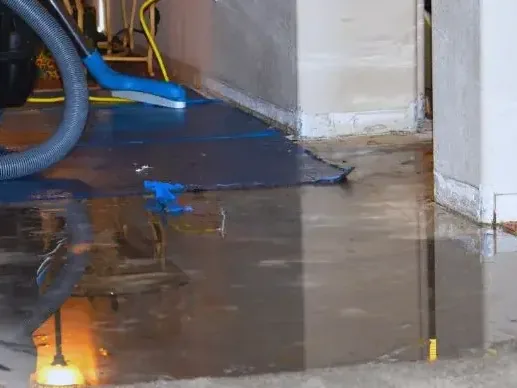
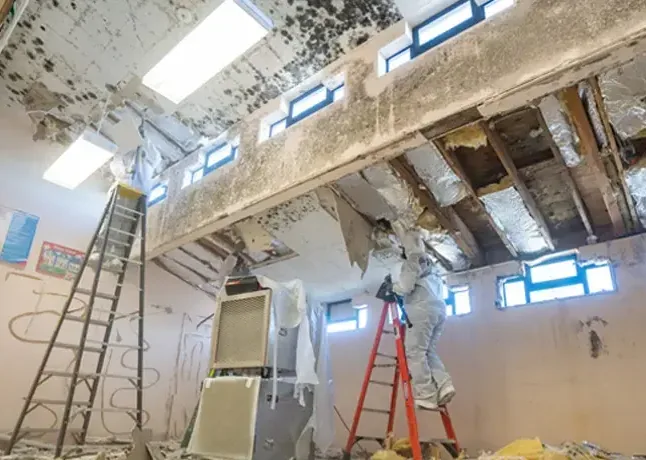
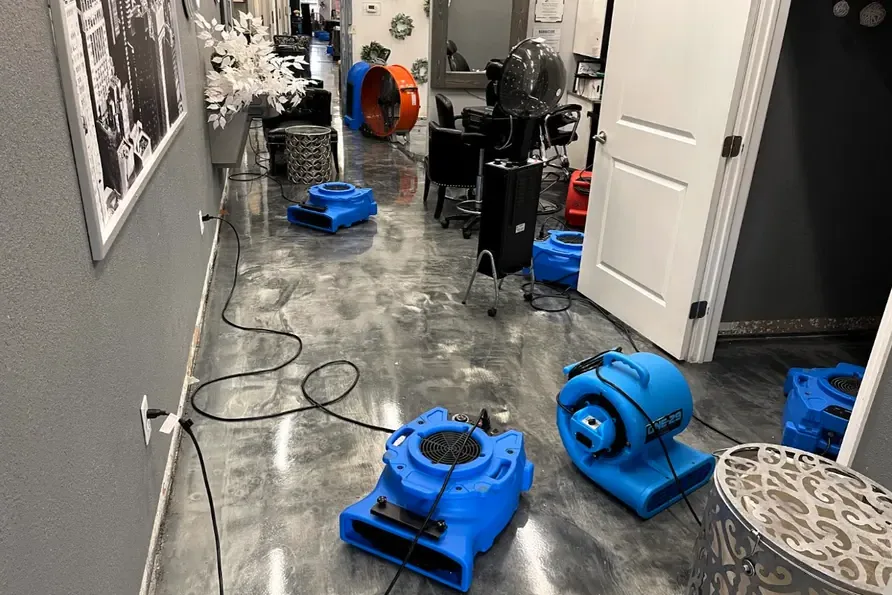
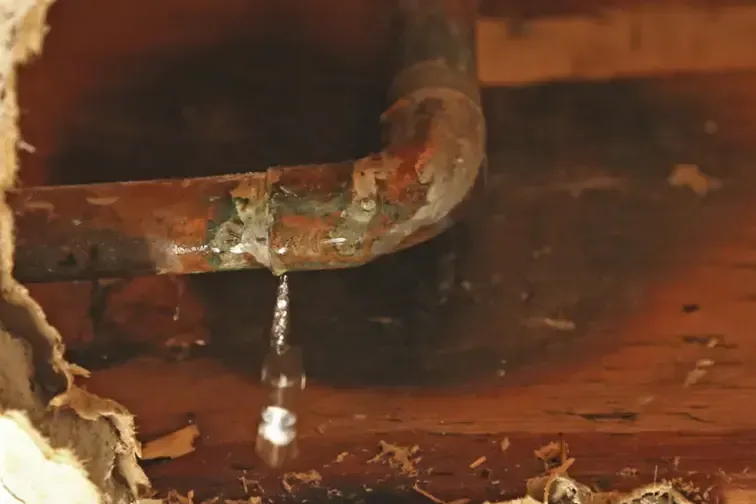
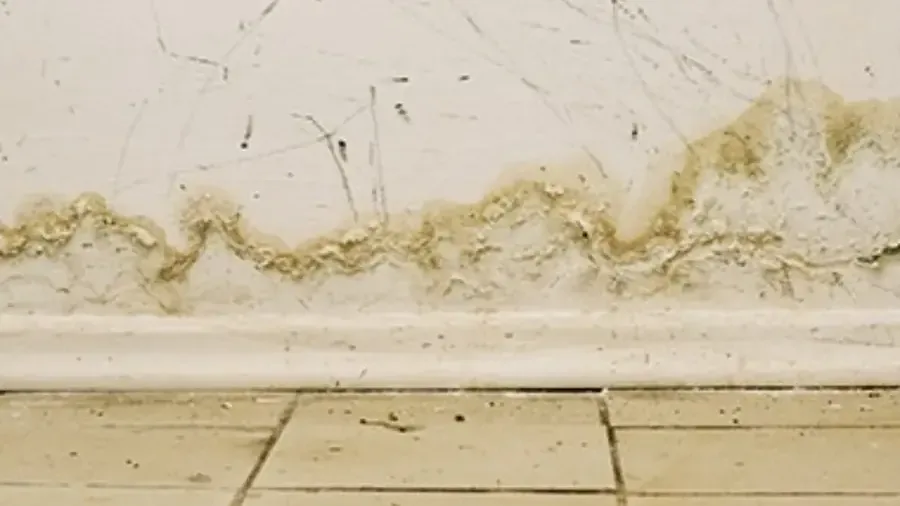
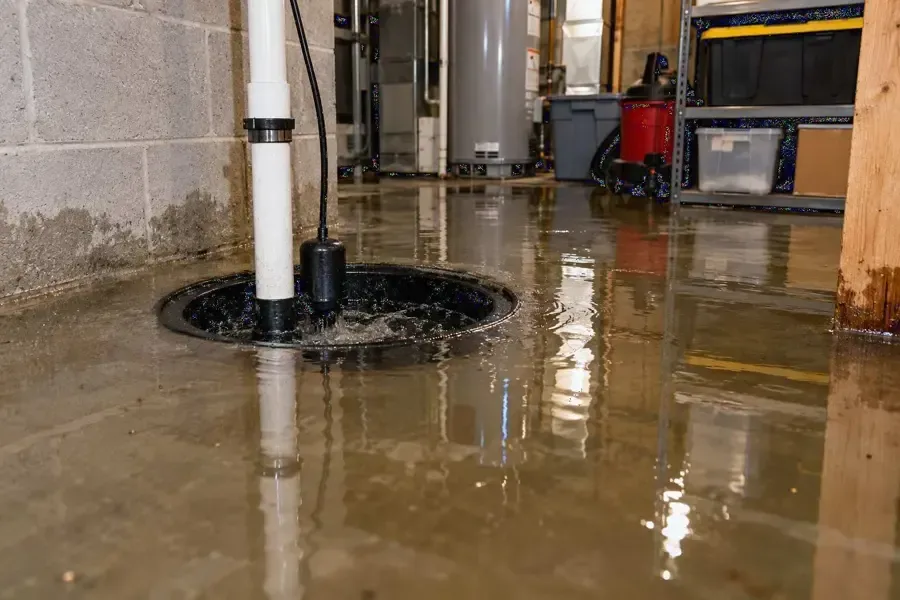
Extraction, tear-out and drying equipment at work inside homes
Building a water claim file that holds up
Insurers decide water claims on documentation. A complete file shows what got wet, how wet it was, what came out and how the drying went.
Moisture readings mapped on day one
A daily log of moisture, temperature and humidity
Photos with timestamps from before any tear-out
The loss category and the drying class
An itemized scope covering extraction, removal and equipment days
Water damage help across Atlanta neighborhoods
Neighborhoods covered
Nearby cities
Any hour, one call sends a drying crew
Crews that cover the city stay on call through nights, weekends and holidays.
Share the neighborhood and the nearest cross street, which rooms got wet and what the source was, so the truck carries pumps, meters and dehumidifiers sized to the job.
Atlanta, GA · [email protected]
Open day and night, every day of the year
Name the neighborhood and what got wetWhere water damage starts in Atlanta
Creeks that rise fast after hard rain, sewer overflows, frequent water main breaks and housing that runs from 1890s streetcar suburbs to warehouse lofts shape the water losses here.
- Fast-rising creeks A USGS study found area streams rise faster after heavy rain as paved area grows, and Peachtree Creek climbed more than 21 feet in two days during Helene.
- Water main breaks The Department of Watershed Management says the city may see up to 30 main breaks and other emergency repairs a month, and the 2024 downtown breaks cut water pressure.
- Sewer overflows and roots Clean Water Atlanta works under federal consent decrees on sewer overflows, and tree roots can grow into both private and city sewer pipes.
- Old homes, new lofts Craftsman bungalows and streetcar-suburb homes in Inman Park and Old Fourth Ward sit near converted warehouse housing in West Midtown.
- Steady rain under big trees The city averages about 50.43 inches of precipitation a year, spread fairly evenly through the seasons, under the densest urban tree cover of any major city in the United States.
September 2024, Helene Hurricane Helene rain pushed Peachtree Creek over its banks in Buckhead, flooding streets and homes in Peachtree Battle and Chastain Park, with more than 20 water rescues.
Water damage questions from Atlanta households
How quickly can a crew reach a home in the city?
The nearest available crew heads out after the call, and restoration pros work around the clock. Timing depends on traffic, the weather and how many losses are open across town, so shut the main while waiting and have the cross street ready.
Who handles a water main break in the street?
Breaks in the street belong to the city's Department of Watershed Management, which takes leak and main break reports around the clock. Water that gets inside the house still has to be extracted and dried like any other loss.
Will a homeowners policy pay for water damage?
Policies often cover a sudden break, like a pipe that bursts or a tank that fails, once the deductible is met. Water that leaked slowly for months or came in from a flooded creek or street is usually handled differently, so read your own policy and keep photos from before cleanup.
Is creek flood water dangerous to clean up?
Yes. Creek and street flood water is Category 3 because it carries sewage, soil and chemicals. During Helene, Peachtree Creek water reached homes in Buckhead, and porous materials touched by water like that are removed, not dried.
How many days does a dry-out take?
Three to five days is common for one room with low-porosity materials. Hardwood, plaster, concrete and soaked framing stretch that, and the readings, not the calendar, decide when equipment leaves. Concrete floors often need desiccant units.
Why does IICRC S500 matter on a water job?
It is the restoration industry's written standard. It sorts water by category and drying class, says how moisture gets measured and spells out which wet materials must be removed rather than dried.
What causes sewer backups in city homes?
Tree roots grow into sewer pipes because the moisture, warmth and nutrients inside attract them, and flushed wipes build clogs, which is why the city runs its No Wipes in Pipes campaign. A backup is Category 3 water from the start; see sewage backup cleanup.
When does wet drywall have to come out?
Drywall goes once sewage or creek water has touched it, once it sags or turns soft, or once it has stayed wet long enough to fall apart. Drywall wet by clean water and caught quickly can often stay, dried through small holes near the floor, and soaked insulation behind removed sections leaves with it.
How is the cost of a water damage job figured?
Four things set most of the price: the water category, how much square footage got wet, the material class and how soon drying began. The line-item scope breaks out extraction, equipment days, removal and antimicrobial for the insurer.
Who maintains a creek that runs through private property?
The city does not maintain creeks or streams on private property, so debris and bank problems behind a house are the owner's. Street flooding and clogged catch basins are reported to Watershed Management Customer Service, and water that reaches the house is dried like any other loss.
Water across the loft, the kitchen or the basement right now?
The longer water sits, the further it wicks into floors, walls and framing. Call and start the drying.