Water Damage Restoration College Park, GA
Heavy rain pushing Flint River headwaters into a backyard, a ceiling leak in an apartment or a sewage backup in a historic home? The restoration team extracts the water, dries the structure to IICRC S500 and records every reading.
Get extraction started on the wet floorsOpen 24/7: (888) 532-4616
Shut the main valve if water is still running, then photograph each wet room before rugs and furniture are moved.
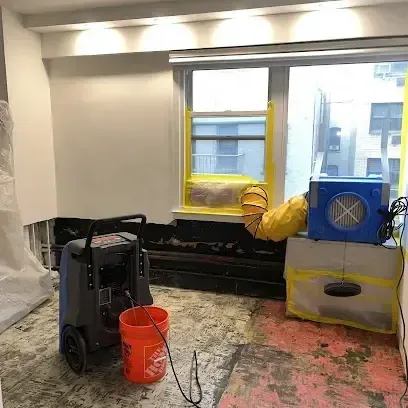
Four things to do while the water is still spreading
Stop the flow
Turn the main valve to closed, or use the shutoff beside the fixture, so the leak stops adding to the damage.
Kill the power
Flip breakers off for any room with standing water, using a panel that can be reached from dry floor.
Photograph before lifting
Shoot each wet room, the damaged contents and the source before anything is moved, since insurers ask for dated photos.
Street water is a city matter
The Public Works, Water and Sewer Division distributes the city's water and provides its sewer service, so a break outside belongs with that division.
Water damage restoration services in College Park, GA
Fourteen kinds of water loss, from Flint River headwater runoff in yards and parking lots to ceiling leaks in upper-floor units and sewage backups in homes near Main Street.
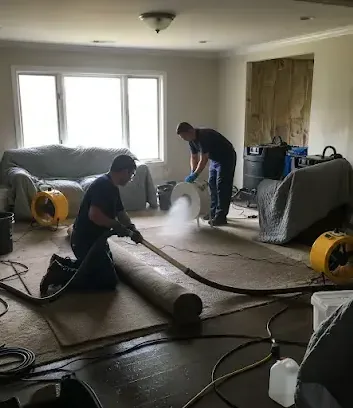 Water Extraction and RemovalPumps and wands lift standing water off floors after a storm or a leak, so drying starts with less to remove.Open the service
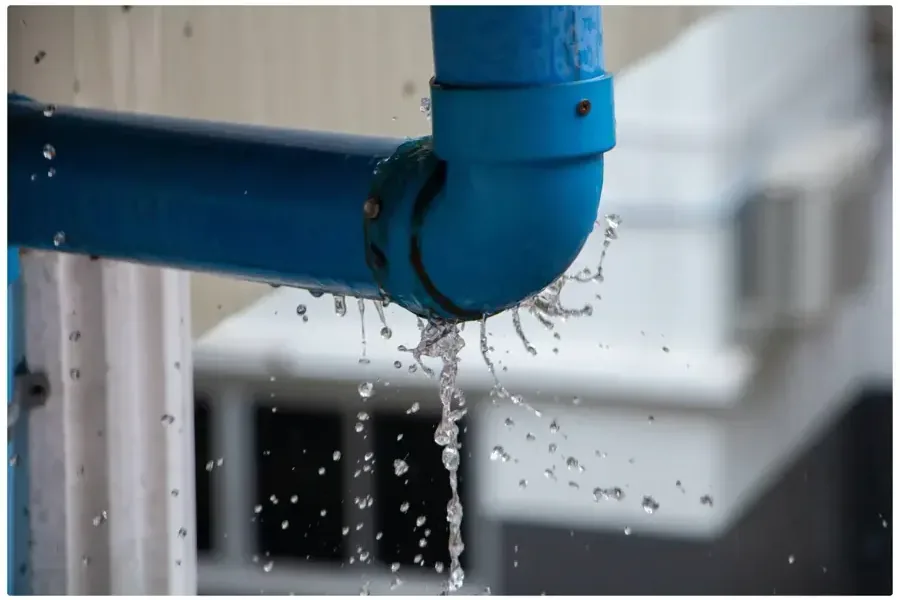 Burst Pipe Water DamageSplit supply pipes behind walls and under floors, with the flood removed and the wet cavities dried afterward.Open the service
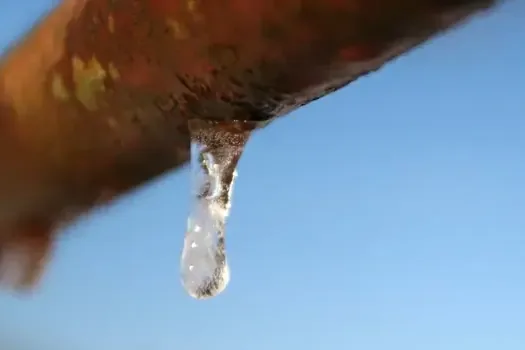 Frozen Pipe Water DamagePipes cracked by a hard cold snap that release their water once the ice thaws and soak the rooms below.Open the service
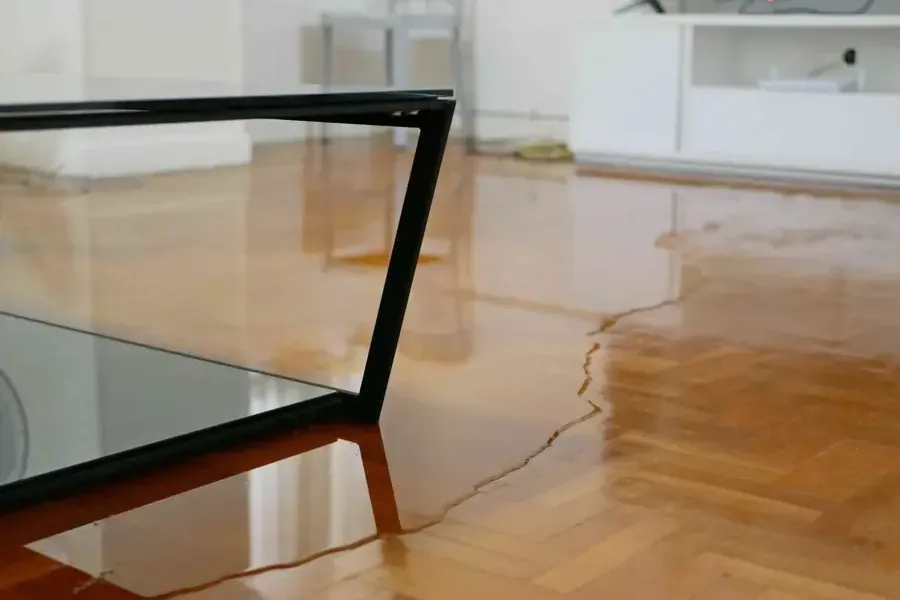 Slab Leak Water DamageHidden leaks under a concrete floor, found by a plumber while the wet flooring comes up and the slab dries.Open the service
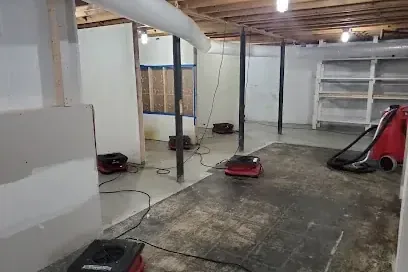 Basement Flooding CleanupLower levels and below-grade rooms cleared after heavy rain, a failed sump pump or a backed up drain.Open the service
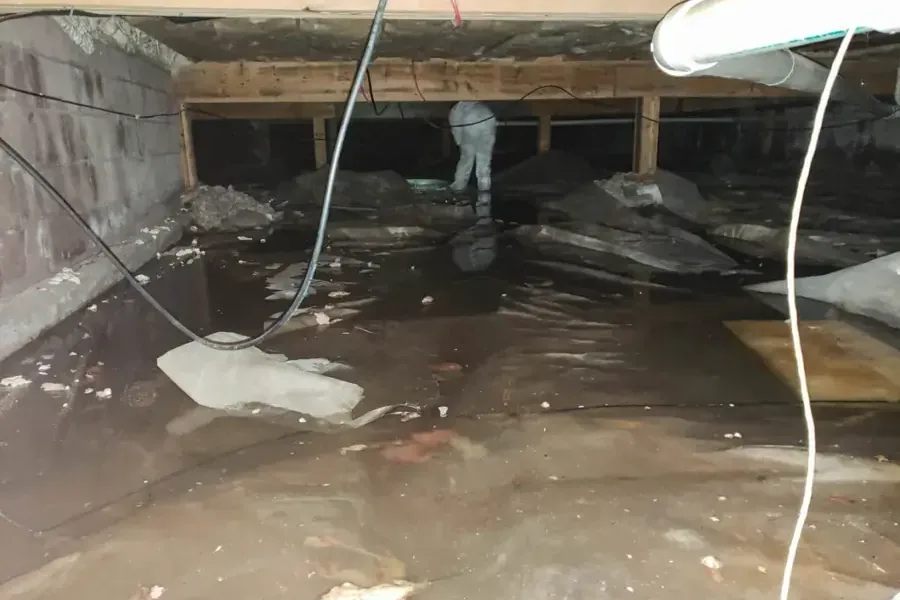 Crawl Space Water RemovalWater pooled on a crawl space vapor barrier pumped out, wet insulation removed and the floor framing dried.Open the service
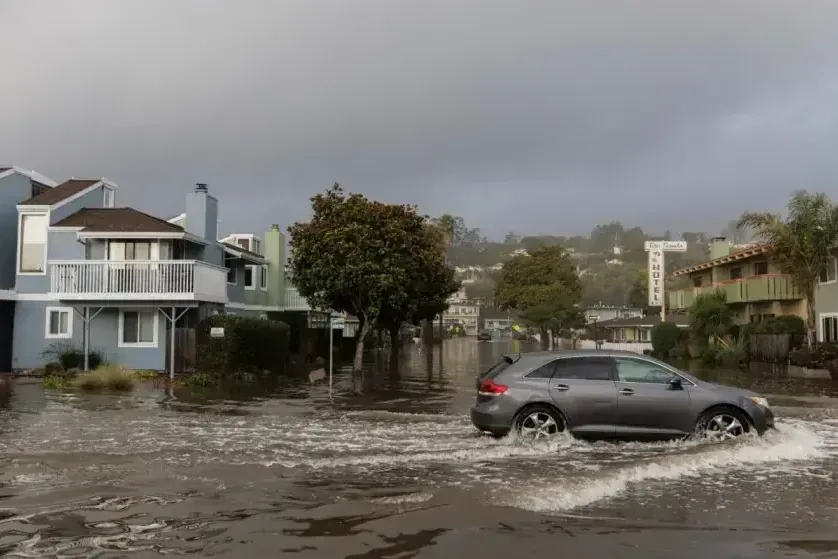 Storm and Flash Flood CleanupRunoff that enters a house after a downpour is treated as contaminated, with wet drywall and flooring removed.Open the service
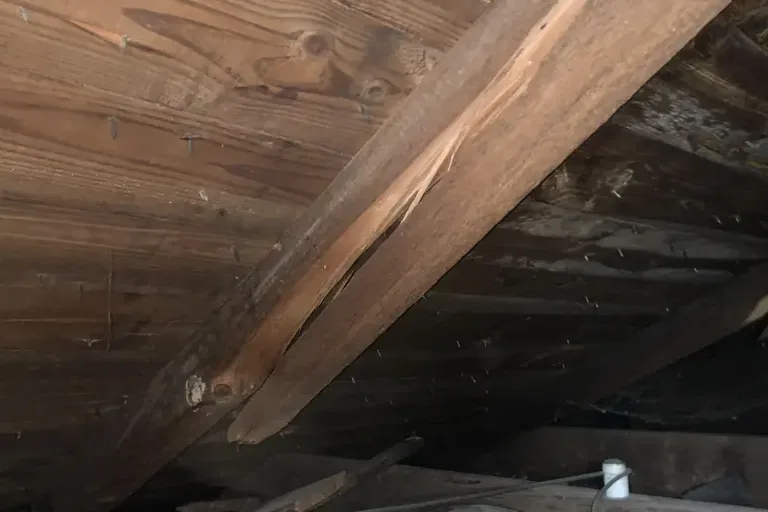 Roof Leak Water DamageRain that gets past the shingles into the attic, with wet insulation pulled and stained ceilings dried.Open the service
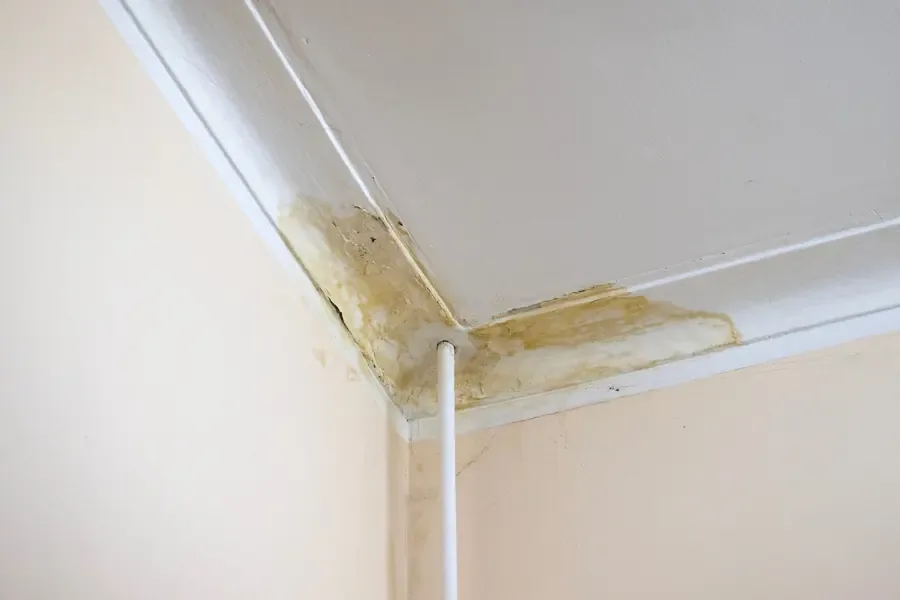 Ceiling Leak Water DamageWater from an upstairs bathroom, a pipe in the floor above or a unit overhead, with the ceiling opened and dried.Open the service
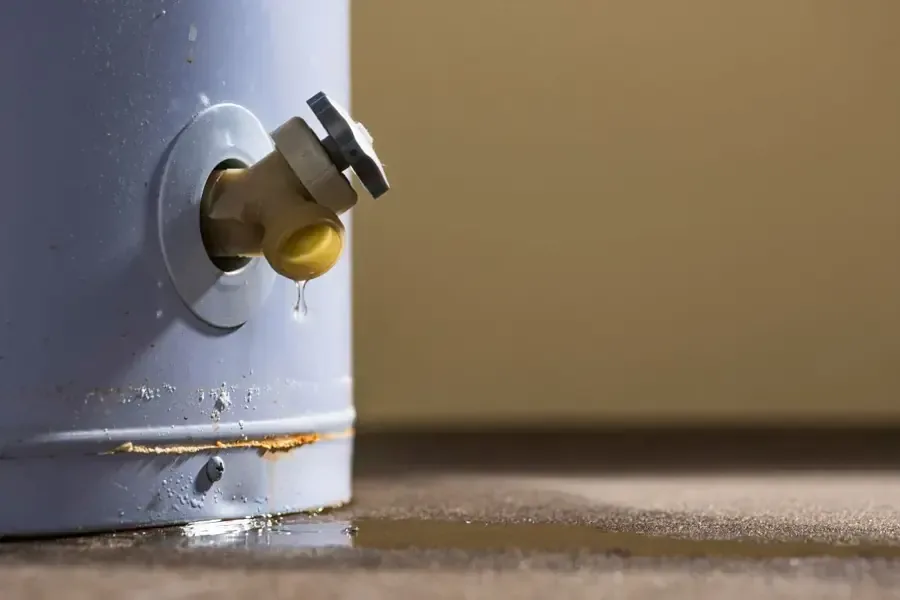 Water Heater Leak CleanupTank failures in closets, garages and utility rooms extracted before water spreads into floors and stored belongings.Open the service
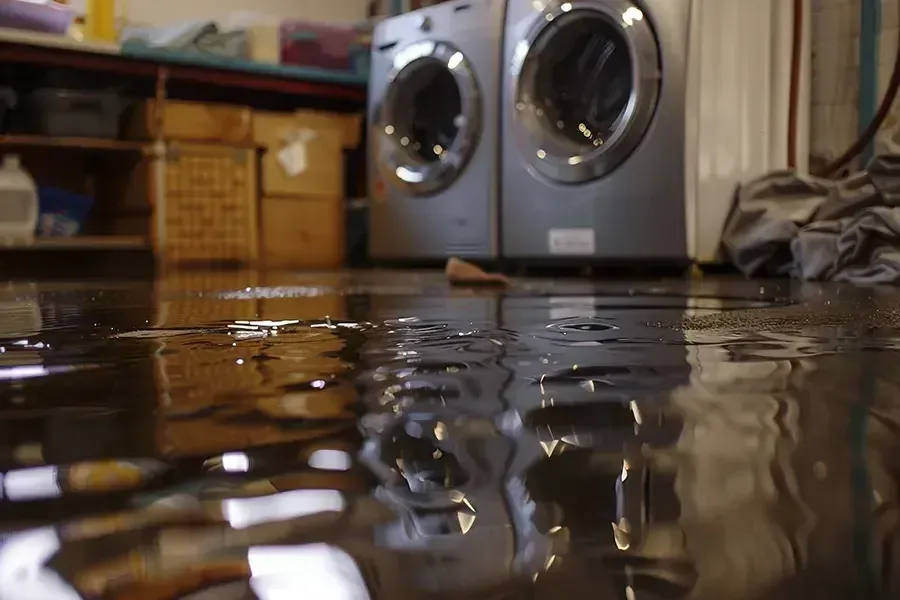 Appliance and Supply Line LeaksDishwasher, washer and refrigerator leaks that creep under cabinets and flooring, traced with meters and dried.Open the service
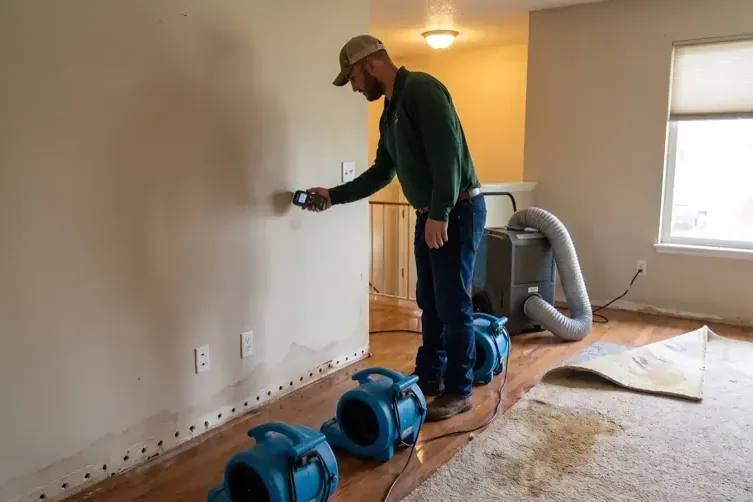 Structural Drying and DehumidificationWalls, framing and subfloors brought down to a measured dry goal with dehumidifiers and air movers.Open the service
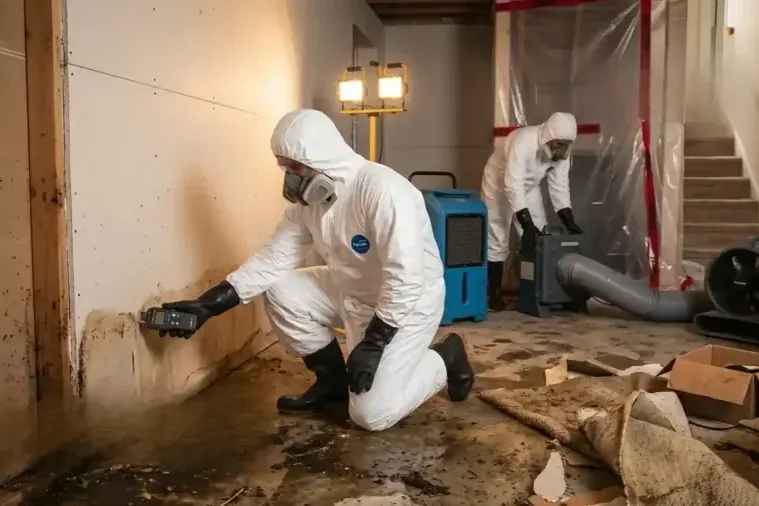 Sewage Backup CleanupBackups through toilets and floor drains handled as contaminated water, with touched materials removed and surfaces disinfected.Open the service
 Commercial Water DamageSuites, shops, offices and event spaces dried in phases so dry areas can stay open for business.Open the service
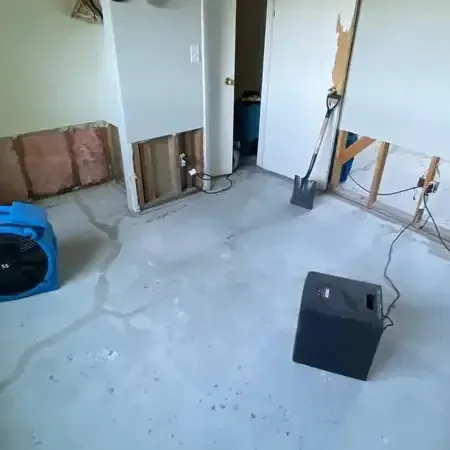
Drying plans for historic streets, apartments and commercial space
Extraction comes first, then the drying team sets equipment room by room and keeps a daily log so an adjuster can follow every reading from start to finish.
Crews at every hour
A truck stocked with pumps, meters and dehumidifiers heads out at night, on weekends and on holidays.
Dry by measurement
Equipment stays until wet drywall, wood and concrete read close to a dry reference spot in the same building.
Records for the claim
The file holds a moisture map, daily humidity and temperature readings, and dated photos taken before tear-out.
Fits the building
Historic homes, upper-floor apartments and commercial halls each dry differently, so the plan follows the structure.
Drying to the IICRC S500 standard, reading by reading
Work under IICRC S500 follows a fixed sequence, with removal decisions tied to measurements, and the job closes when the readings say dry rather than when a set number of days has passed.
- 01
Locate the water
Thermal imaging and moisture meters reveal which walls, floors and ceilings hold water before any equipment is placed.
- 02
Remove standing water
Truck-mounted and portable pumps clear carpet, pad, hardwood and tile first, which shortens every later drying step.
- 03
Size the equipment
Air movers and low-grain dehumidifiers are matched to room volume, with desiccant units added for dense materials such as plaster, concrete and hardwood.
- 04
Confirm the dry goal
Readings are logged daily, and equipment comes out only when wet materials match an unaffected reference spot in the same building.
Clean, gray and black water
Clean water (Category 1)
A broken supply pipe or tank, stopped quickly, leaves water that is generally safe to extract and dry where it sits.
Burst pipe cleanupGray water (Category 2)
Washer and dishwasher discharge, or a clean spill that sat too long, gets cleaned before any drying begins.
Appliance leak cleanupBlack water (Category 3)
Sewage and storm runoff carry contamination, so the porous materials they touched are removed and discarded.
Sewage backup cleanupWhat does water damage restoration cost in College Park, GA?
Typical jobs run from about $1,000 for one room of clean water found early to $12,000 or more when sewage or storm water reaches several rooms. Price follows the water category, the floor area, the materials involved and how soon drying begins.
One room, found quickly
$1,000 to $3,000- Clean water, one room
- Floors dried in place
- Daily moisture readings
Several rooms or one floor
$3,000 to $7,500- Some drywall or flooring removed
- Multiple dehumidifiers running
- Wall cavities dried out
Sewage, storm water or a wide area
$7,500 to $12,000+- Contaminated water rules
- Framing treated and cleaned
- Complete dry-down to target
Ranges are estimates, never a quote. The water damage cost calculator gives a planning figure, and a moisture map on site turns it into a written scope.
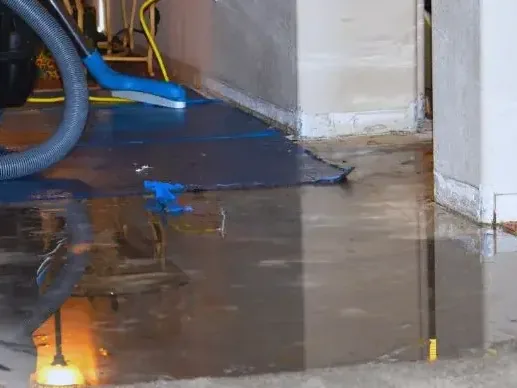
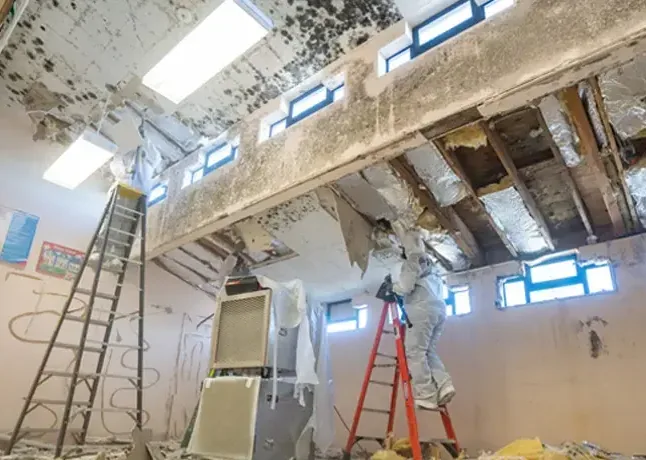
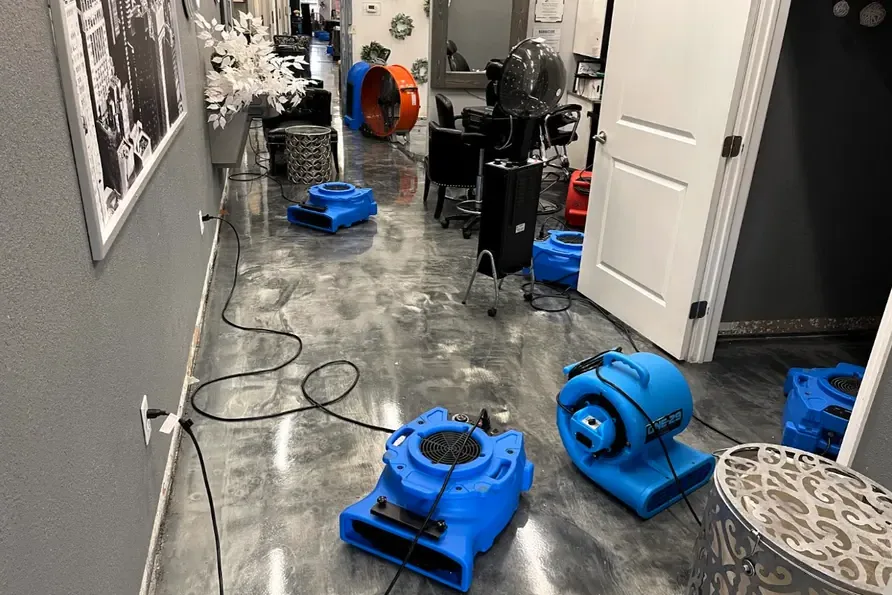
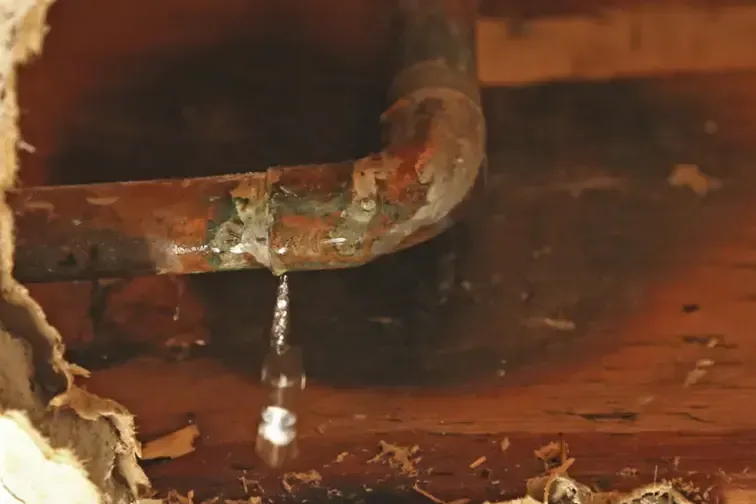
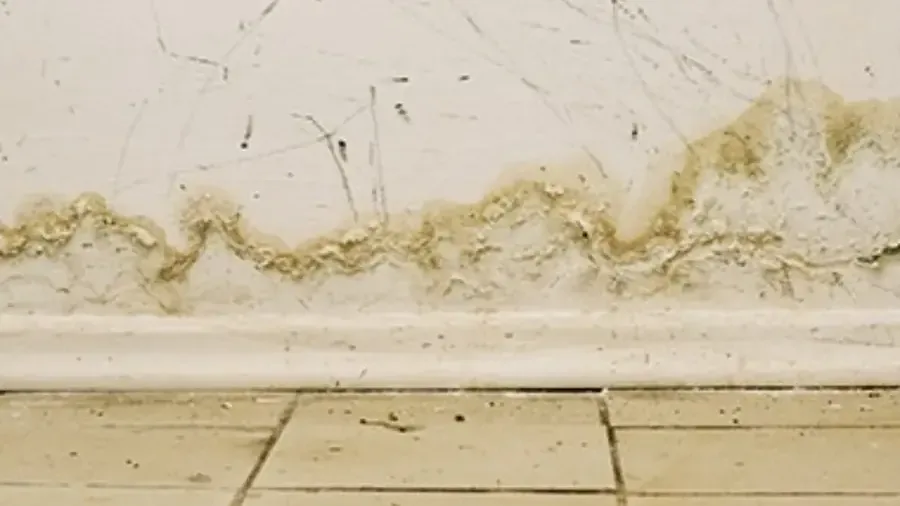
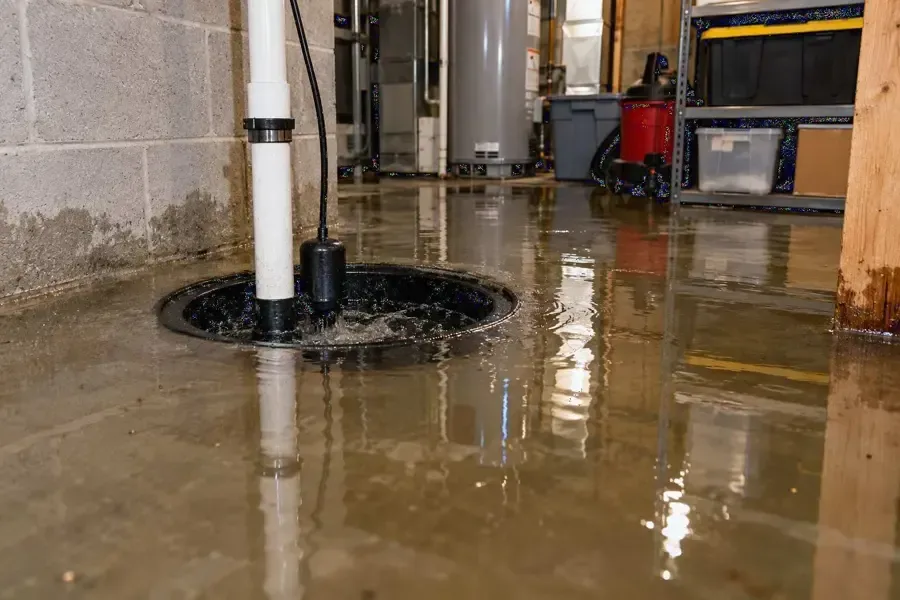
What a dry-out looks like from the inside
Documentation that supports a water claim
Water claims rest on paperwork. A solid file shows what got wet, how wet it was, what was removed and how drying progressed.
A moisture map drawn before equipment is set
Daily humidity and temperature readings in a log
Dated photos shot before any material is removed
The water category and the drying class recorded
An itemized scope listing removal and equipment days
Water damage help across College Park neighborhoods
Neighborhoods and corridors
Nearby cities
Day or night, one call starts the dispatch
Response crews work around the clock here, through weekends and holidays alike.
Tell dispatch the neighborhood, which rooms are wet and where the water came from, so the right pumps and drying equipment ride on the truck.
College Park, GA · [email protected]
Open day and night, every day of the year
Describe the wet rooms and the streetWhere water damage starts in College Park
Flint River headwaters that surge in heavy rain, a historic district full of older properties and a mix of apartments and commercial space all shape the water losses here.
- Surging headwaters Finding the Flint reports that during heavy rain the Flint River headwaters surge into parking lots and backyards in the East Point area.
- Detention ponds Finding the Flint says residential areas that once flooded severely have been replaced by secure detention ponds, though heavy rain can still fill yards.
- Buried streams Small headwater streams shown on maps as far back as 1895 have since been buried, piped or built over, including around the airport.
- Historic buildings The Historic District lists 853 properties on the National Register of Historic Places, so drying plans must protect older finishes.
- Apartments and large halls A 2017 mixed-use project added mid-rise apartments, and the Georgia International Convention Center adds large halls, so leaks can travel between units and spaces.
January 2026 A major winter storm put Georgia under a state of emergency, with heavy freezing rain expected in Clayton County on January 25.
Water damage questions from local households
How quickly does help get to a wet home?
Crews are sent day and night, weekends and holidays included. Timing depends on traffic, the weather and how many losses are open at once, so close the main valve and note the nearest cross street while waiting.
What comes first when a pipe bursts?
Shut the main valve, switch off breakers for the wet rooms from a dry panel and photograph the damage. Repairing the pipe is plumbing work, and the city's Building and Inspections department handles permits that include plumbing.
Is storm runoff safe to clean up alone?
Runoff that enters a house is treated as contaminated, since it can carry soil and sewage. Wet drywall, insulation and carpet that touched it are usually removed, and surfaces are cleaned before drying starts.
Who deals with sewage coming up in the street?
The city's Public Works, Water and Sewer Division provides the sewer service. A backup that reaches the inside of a home still needs a restoration crew, because extraction and disinfection are separate work.
How long does structural drying take?
Several days is common, though the materials, the water category and how far the water traveled change that. Readings are logged daily, and the equipment leaves only when wet materials match a dry reference spot.
What does the insurer need to see?
A moisture map, daily readings, dated photos from before tear-out and an itemized scope. The file is built as the work goes, so an adjuster can follow it from the first day to the last.
Why does speed matter after a leak?
Water keeps moving into subfloors and framing, and mold can begin to grow on damp drywall and wood within 24 to 48 hours. Extraction and drying are what stop both problems.
Can historic homes be dried safely?
Yes. The College Park Historic District holds 853 properties on the National Register of Historic Places, and drying plans protect original floors, plaster and trim while moisture readings decide what has to come out.
Are apartments and commercial buildings included?
Yes. A leak in an upper-floor apartment can reach the ceiling below, so neighboring units are checked with meters, and larger commercial spaces are dried in phases so dry areas can stay in use.
What does a water damage job cost here?
Small clean water jobs start near $1,000, while sewage or storm water across several rooms can reach $12,000 or more. A moisture map and a written scope turn those ranges into a real figure.
Water in the kitchen, the hallway or the apartment below right now?
Water keeps moving through subfloors and wall cavities until it is removed. Call now to put pumps to work.