Kennesaw water damage restoration
A burst pipe, a failed water heater or a creek that climbs after hard rain leaves a Kennesaw home with wet floors and wet framing. The response team pulls out the water first, then dries what stays.
Send a crew to the waterOpen 24/7: (888) 532-4616
Photos of the wet area and the source help the crew plan equipment before it loads the truck.
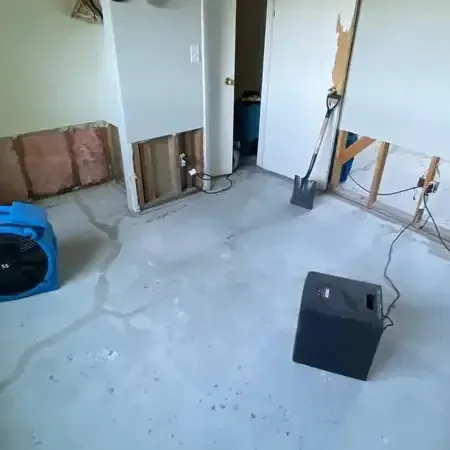
Four things to do before help arrives
Stop the water
Close the main valve or the shutoff at the leaking fixture. If sewage is rising, stop using every sink, tub and toilet.
Mind the electricity
Stay out of rooms where water reaches outlets or a ceiling sags. Cut power at the panel only if the panel is dry.
Move small items
Lift rugs, electronics and furniture legs onto dry surfaces, and carry photos and papers out of the wet room.
Call and describe it
Tell the dispatcher where the water began, how far it spread and what it touched, then photograph it.
Services for wet homes and businesses
Every service has its own page with costs, steps and answers. Choose the one that matches what got wet, or call and the dispatcher will point to the right one.
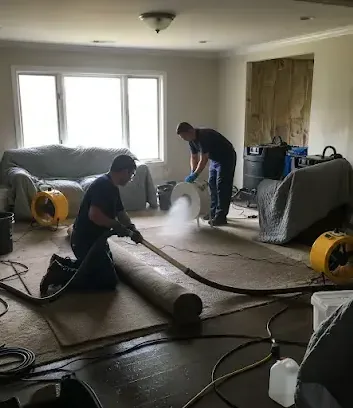 Water Extraction and RemovalPumps and wand extractors lift standing water from carpet, tile and hardwood before it wicks into the framing.Open the service
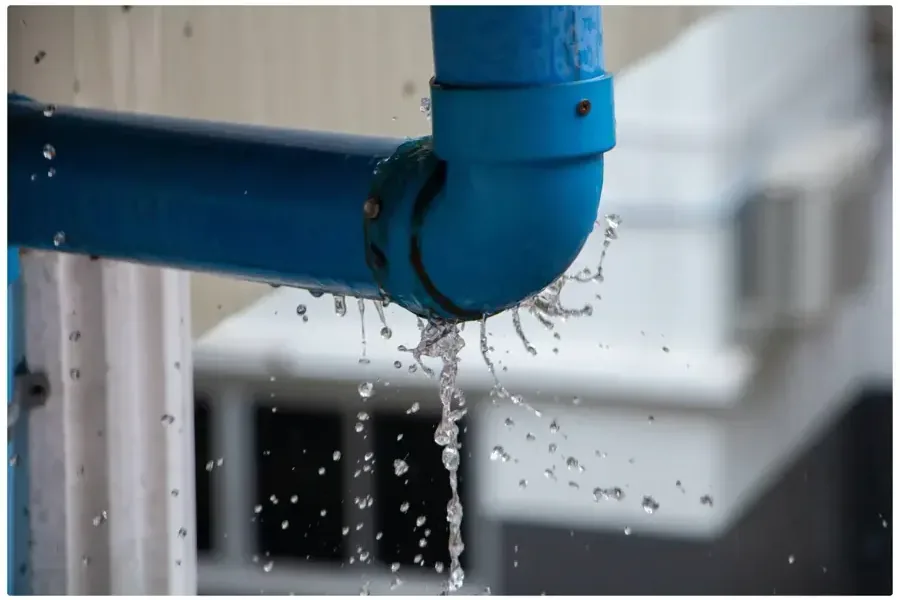 Burst Pipe Water DamageA split supply pipe soaks the wall and the floor below, and the crew dries both after shutoff.Open the service
 Frozen Pipe Water DamageGeorgia cold snaps can freeze exposed pipes in garages and attics, then flood rooms once they thaw.Open the service
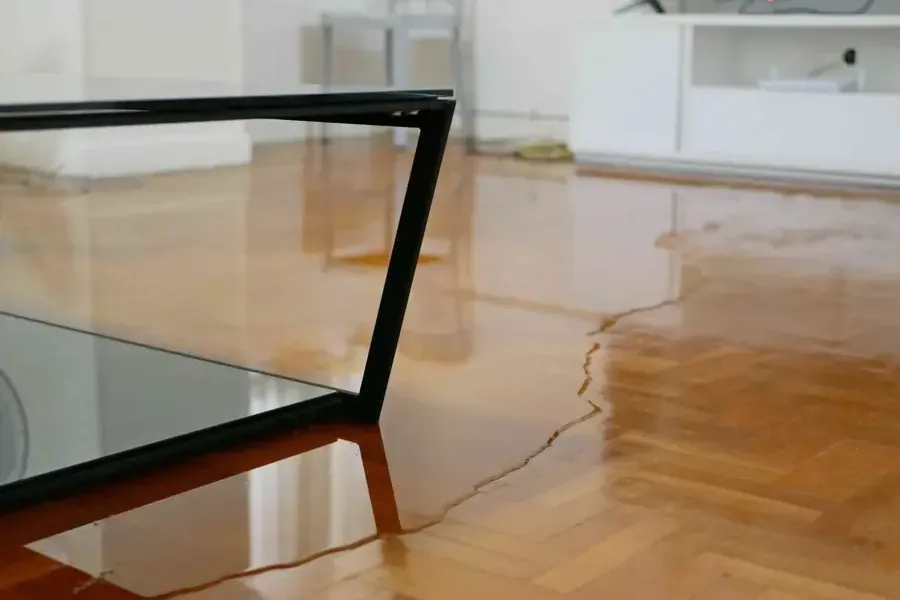 Slab Leak Water DamageA hidden pipe leak under the floor shows up as damp flooring, warm spots or a climbing water bill.Open the service
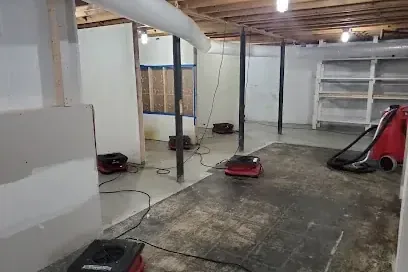 Basement Flooding CleanupWater in a lower level needs pumping, removal of wet drywall and careful drying of everything that stays.Open the service
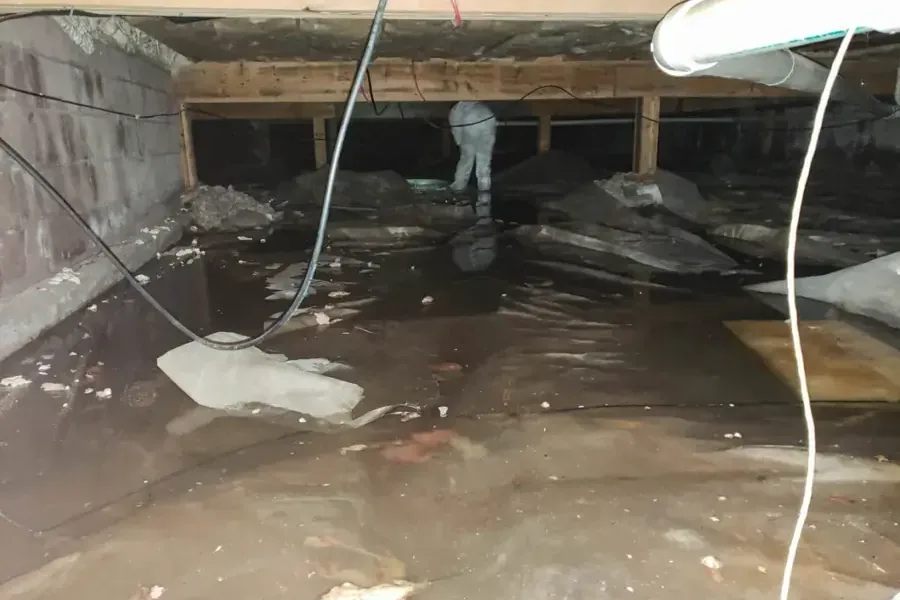 Crawl Space Water RemovalStanding water and wet insulation under a house need pumping out and drying before the floor above suffers.Open the service
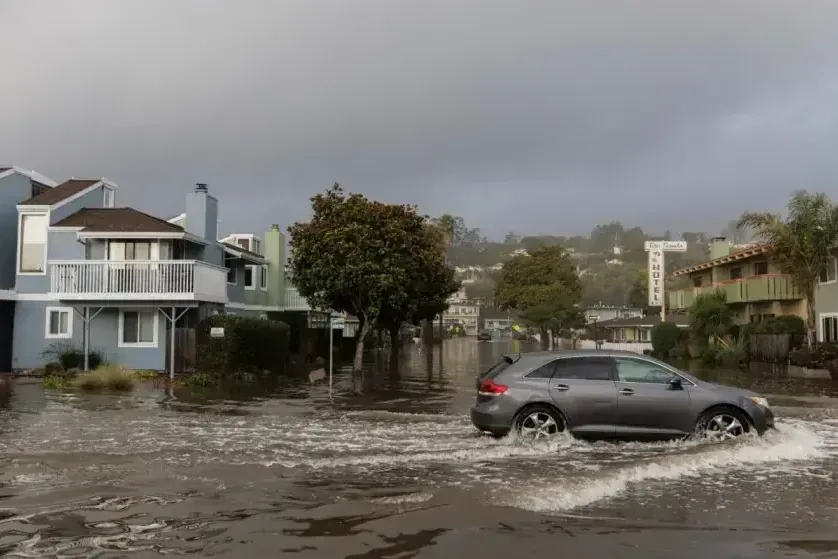 Storm and Flash Flood CleanupWhen Noonday Creek or a hard rain pushes water indoors, the crew pumps out the rooms and dries the structure.Open the service
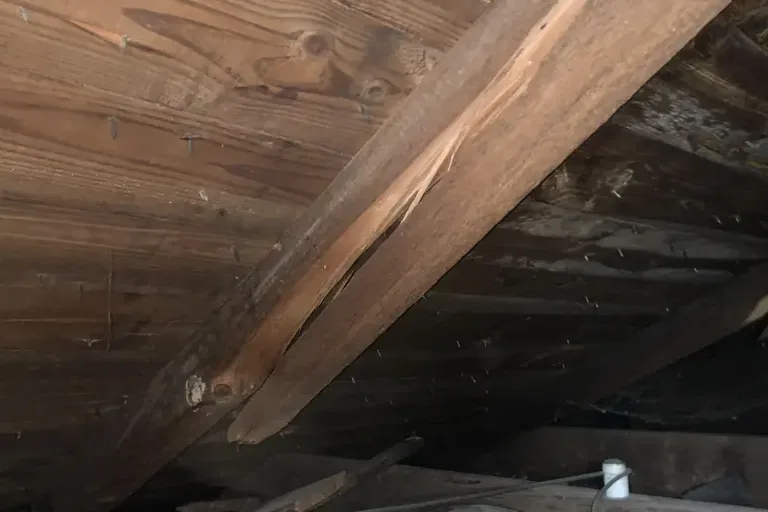 Roof Leak Water DamageWind, falling limbs and hard storm rain can open a roof, and the damage lands in attic insulation and ceilings.Open the service
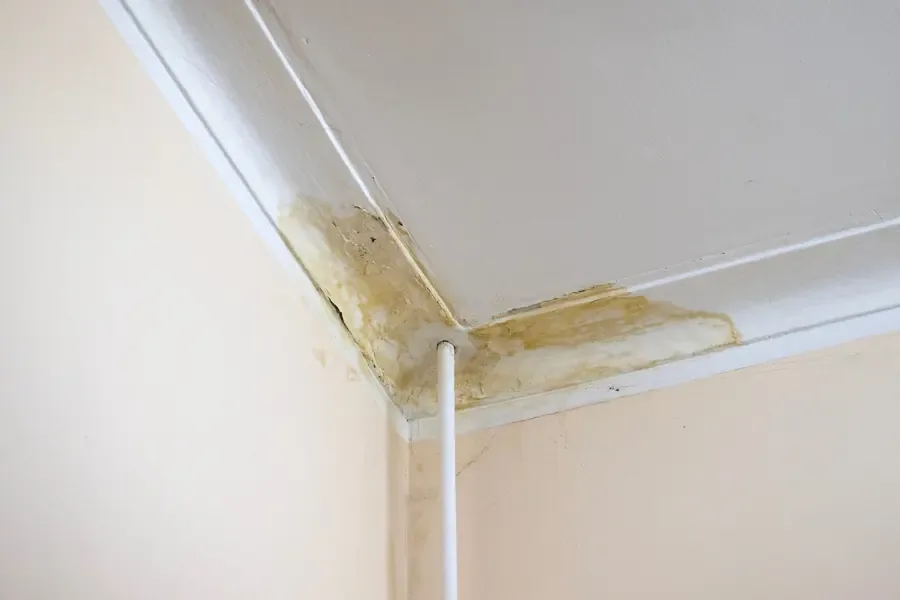 Ceiling Leak Water DamageA brown ring on the ceiling means water sits above it, so the team traces it and dries the drywall.Open the service
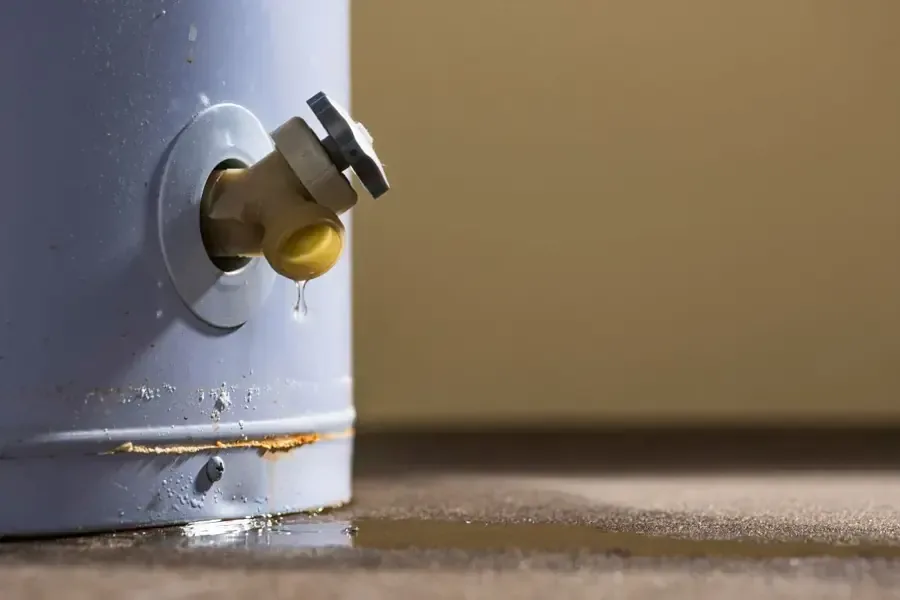 Water Heater Leak CleanupA failed tank spreads gallons over a utility room or garage floor, then the crew extracts and dries.Open the service
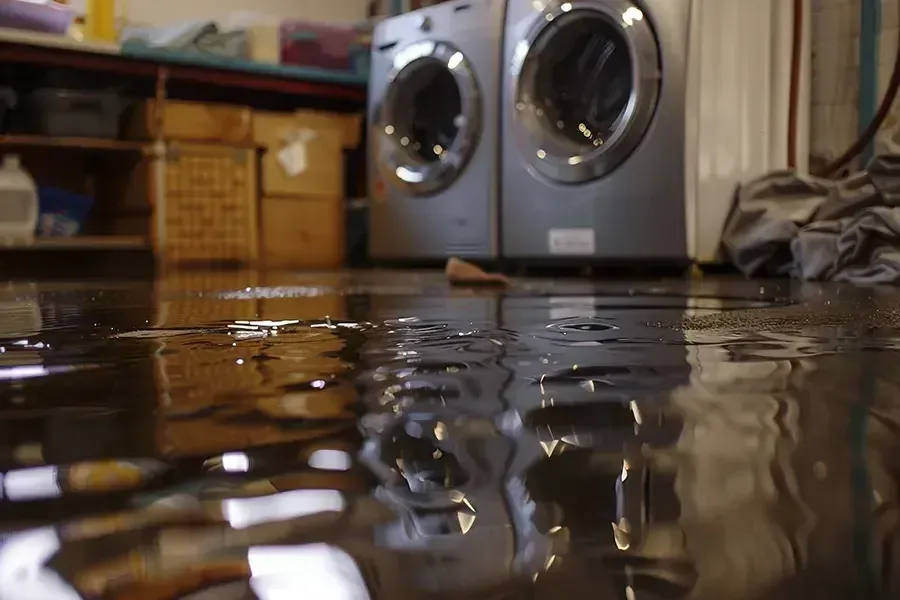 Appliance and Supply Line LeaksDishwashers, washers and supply hoses leak under floors and cabinets, where water can sit unseen for days.Open the service
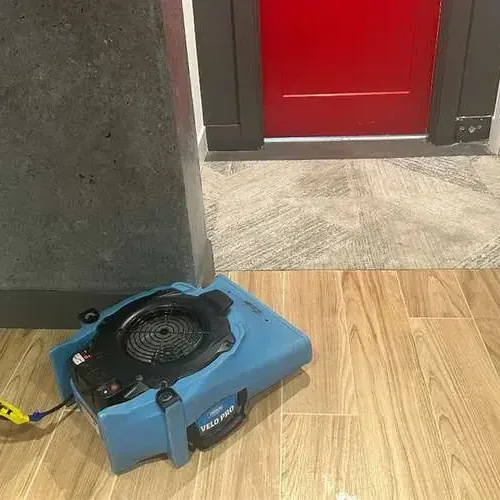
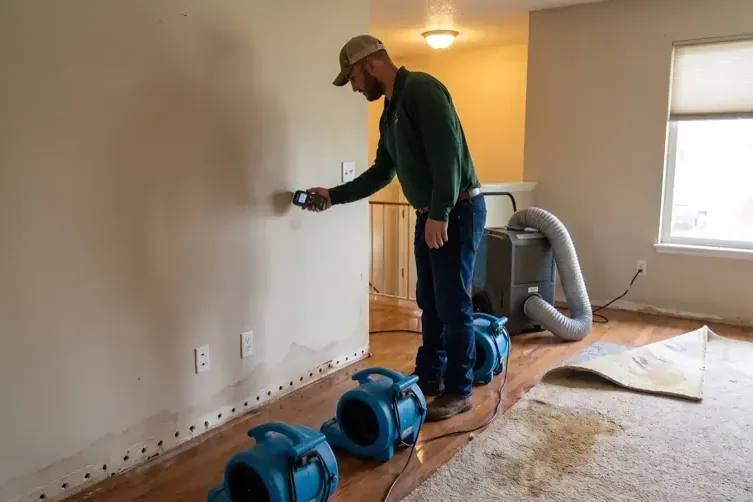 Structural Drying and DehumidificationAir movers and dehumidifiers pull moisture from studs, subfloors and slabs, and a meter confirms when it is done.Open the service
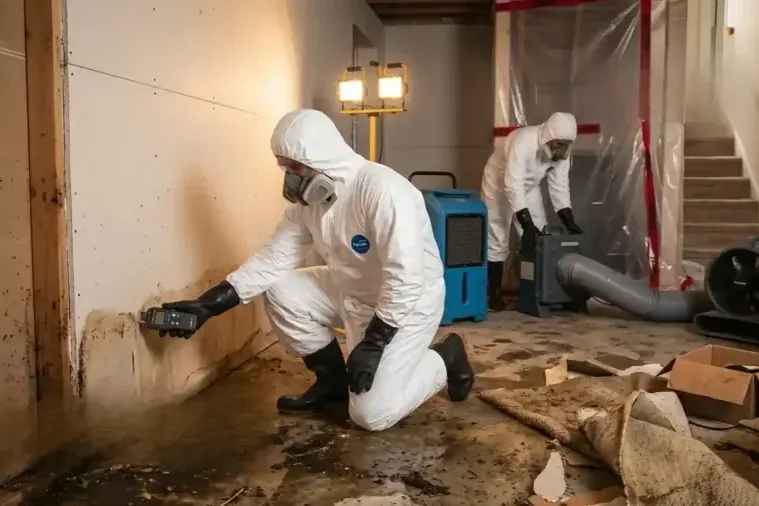 Sewage Backup CleanupBacked up sewage is contaminated, so the crew removes it, disinfects the area and cuts out soaked porous materials.Open the service
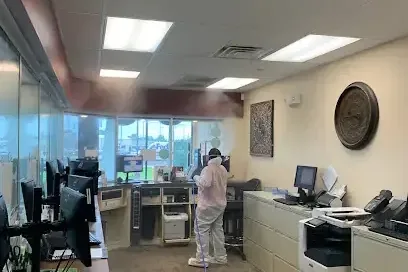 Commercial Water DamageOffices, shops and suites need water out fast, with drying planned around business hours so tenants can return.Open the service
Straight answers and dry floors
Water damage is stressful, so the crew keeps the work plain: a clear scope, honest limits and equipment that stays until the meter says the job is done.
Calls taken around the clock
Water does not wait for business hours, so the phone is open every day and night for new losses.
Readings, not guesses
A moisture meter and thermal checks show where water hides, so the dry out covers the whole wet area.
Scope explained before work
Owners hear what will be removed, what stays and why before the crew cuts into a wall or lifts a floor.
Water and sewage only
The work stays focused on water losses and sewage backups, so every tool on the truck fits the job.
From the first call to dry framing
Each job follows the same order so nothing is missed: stop the source, remove the water, dry the structure and check the readings. The crew explains each stage before it starts.
- 01
Assess the loss
The team traces the water to its source, maps wet areas with a meter and explains what must come out.
- 02
Remove the water
Pumps and extractors take standing water first, then wet carpet pad and soaked drywall are cut out so they stop holding moisture.
- 03
Dry the structure
Air movers push air across surfaces while dehumidifiers pull the moisture from the room, and the setup is adjusted at each visit.
- 04
Confirm the result
Meter readings on the framing and subfloor must match dry reference points before the equipment leaves and the owner gets the records.
Where most calls begin
Burst and split pipes
Water spreads inside walls and under floors before anyone sees it, so the crew opens the cavity and dries it from the inside.
See burst pipe workLeaking appliances
A failing dishwasher, washer or supply hose soaks cabinets and flooring slowly, so the damage is often wider than the puddle.
Appliance leak helpSewage backups
Contaminated water needs protective gear, careful removal and disinfecting, never a mop and a fan.
How sewage cleanup worksWhat water damage costs in Kennesaw
Most jobs here run from $1,000 to $12,000 or more. The bill follows how much water there is, what it soaked and whether it was clean or contaminated, and the crew prices the work after a walk through with a moisture meter.
Small clean leak
$1,000 to $3,000- One room affected
- Extraction and fans
- Short dry out
Several rooms or a lower level
$3,000 to $7,500- Wet drywall removed
- Longer equipment stay
- Floors and framing dried
Contaminated or widespread
$7,500 to $12,000+- Sewage or flood water
- Porous materials removed
- Disinfecting and drying
Sudden pipe and appliance leaks are often filed with a homeowners policy, while rising flood water usually needs separate flood coverage. Photos taken before cleanup and the crew's moisture logs help the adjuster.
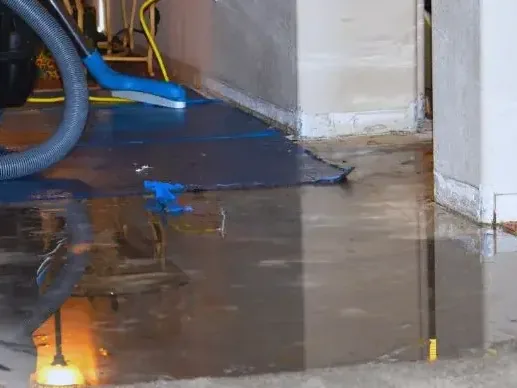
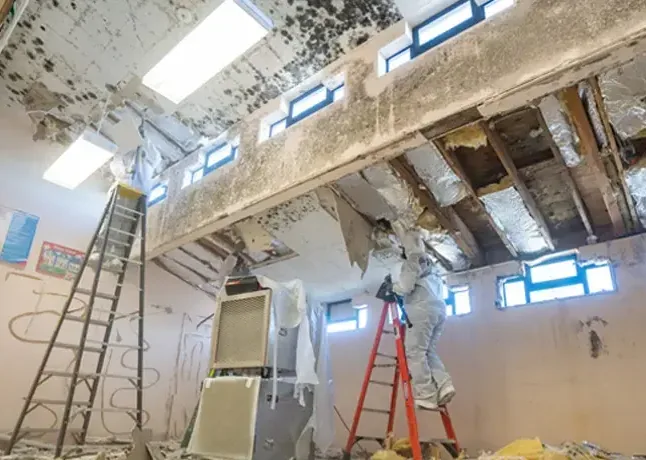
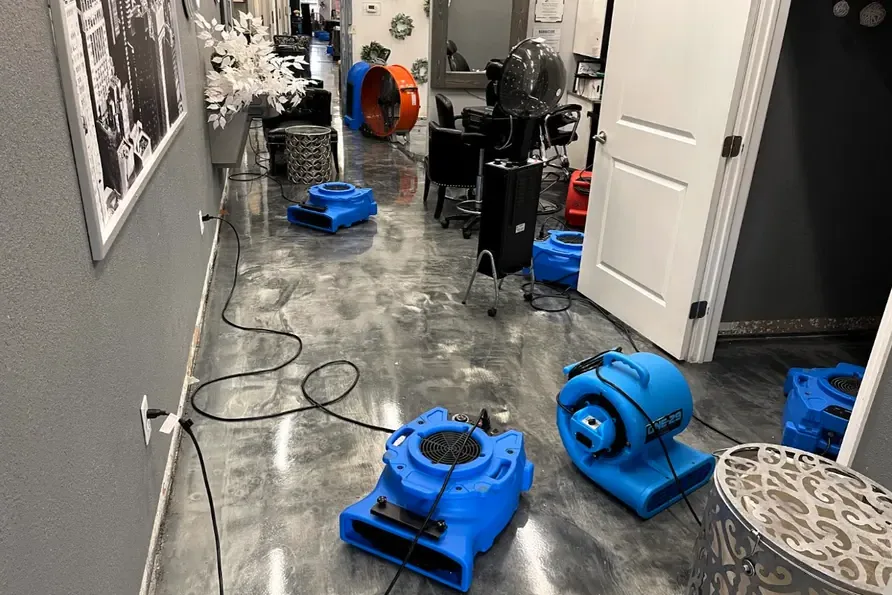
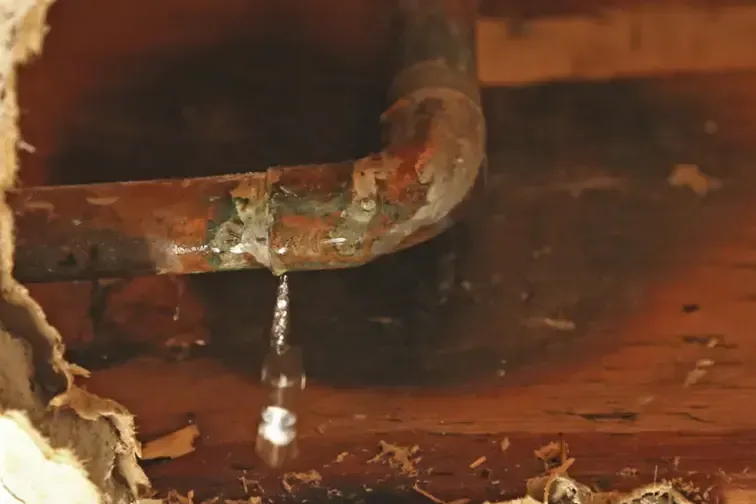
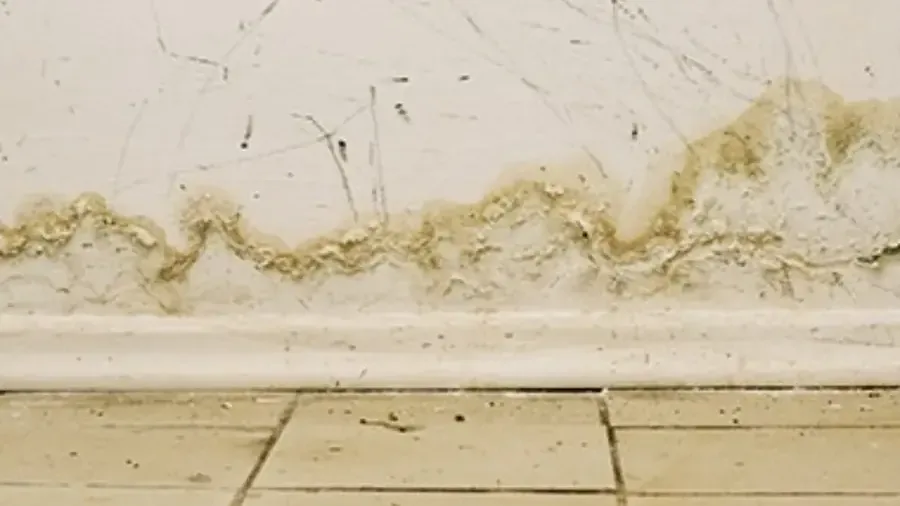
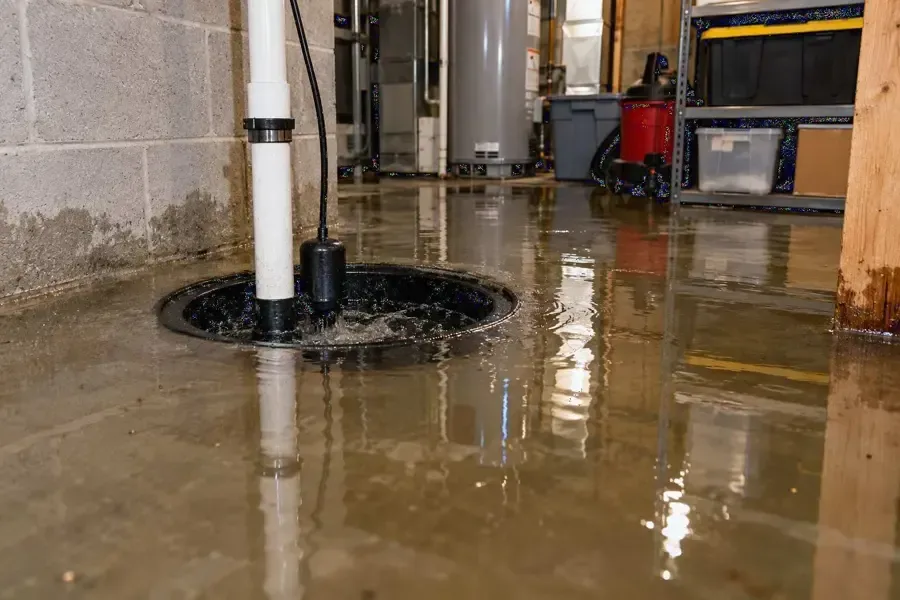
Equipment and damage seen on water jobs
Working with your adjuster
Claims move faster when the damage is recorded clearly. The crew keeps photos, moisture readings and equipment logs that an adjuster can follow.
Photos of every wet room and item
The date, time and cause of the loss
Moisture readings taken by the crew
Receipts for any emergency repairs or hotel stays
The claim number and adjuster's contact details
Streets and areas the crews reach
Main roads and landmarks
Nearby towns
Reaching the crew from anywhere in the city
From Downtown Kennesaw to Chastain Lakes, one call starts the response.
Timing depends on traffic, the weather and how many losses are open at once, so the dispatcher gives an honest window on the call. Describing the water helps the crew bring the right pumps and fans.
Kennesaw, GA · [email protected]
Open day and night, every day of the year
Describe the water by phoneWhat puts local homes at risk
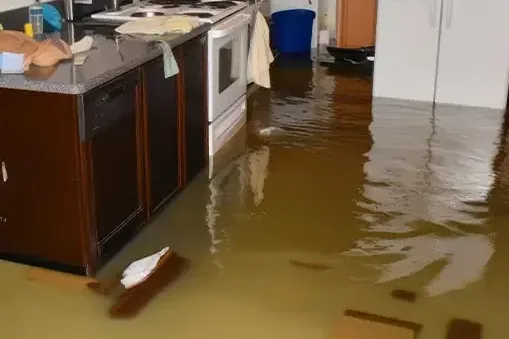
Heavy rain, rising creeks, water main breaks and spring storms all appear in the local record, and each puts homes at risk in a different way.
- Creek rise Noonday Creek often floods the fields at Noonday Creek Park in heavy rain, and creeks running from Chastain Lakes feed it.
- Main break A main break on Ben King Road opened a sinkhole on October 6, 2021, and about 170 homes and two schools lost water service.
- After an outage Turning the water off and on can stir up debris and tint it brown, yellow or red, and Cobb County says to run a tub faucet until it clears.
- Spring storms An F-4 tornado struck here on November 22, 1992, and March through May are historically Georgia's most active tornado months.
- Sewer overflows Cobb County Water System posted a wastewater overflow notice on December 22, 2025 that lists a Kennesaw 30144 location, and sewer backups are reported to its emergency dispatch.
September 21, 2009 Noonday Creek rose high enough to block Georgia 92 and I-575 and flood Chastain Road at the creek, which was barricaded.
Common questions from local homeowners
Who should I call first, Cobb County or a restoration crew?
Cobb County asks residents to call its water emergency dispatch only for a sewer backup in the home or street or a gushing broken water pipe. For water already inside the house, call a restoration crew right away.
Does a water main break mean water inside my house?
The Ben King Road break in October 2021 left about 170 homes and two schools without water service, which is an outage and a sinkhole problem rather than water inside houses. Water indoors usually comes from a burst pipe, a leak or a storm.
Why does my water look white or foamy after an outage?
Cobb County says air trapped in the pipes can make fixtures spurt and water look white, bubbly or foamy. Running a fixture near the end of the plumbing clears the air, and the water settles.
What does water damage cleanup cost?
Small clean leaks often run $1,000 to $3,000, bigger jobs reach $7,500, and contaminated or widespread losses can climb to $12,000 or more. A moisture check on site sets the real number.
How long does drying take?
Most jobs need several days of equipment, though dense materials such as hardwood or a concrete slab can take longer. The crew checks readings at each visit and removes the equipment only when they match dry materials.
Can mold grow after a leak?
Yes. Growth can begin 24 to 48 hours after materials get wet, which is why extraction and drying start right away and wet drywall or pad that cannot dry gets removed.
How can I check my flood risk near a creek?
Georgia's flood map viewer lets owners enter an address to see a property specific risk snapshot, and official FEMA flood maps sit on the FEMA Map Service Center. The Special Flood Hazard Area is the area with a 1% annual chance of flooding.
What happens after a sewer backup?
Sewage counts as contaminated water, so the crew wears protective gear, removes the waste and soaked porous materials, and disinfects what remains. Anything porous that touched sewage, such as carpet and pad, usually cannot be saved.
Can storms cause roof leaks and ceiling stains?
Wind, falling limbs and hard rain can all open a roof. In late May 2026, heavy rain brought down 31 trees on Cobb County roads and left more than a dozen roads flooded, so storm season is worth planning for.
What should I tell the dispatcher?
Give the address, where the water started, how far it has spread and whether it is clean, from a pipe, or from a drain or sewer. Mention anything that touches electrical outlets so the crew plans for safety.
Water that sits in a floor keeps doing damage, so call now
Call any hour and describe what is wet. The crew sets pumps, air movers and a drying plan to match.