Appliance leak water damage in Atlanta
A split washer hose or a failed dishwasher seal sends water under cabinets and flooring where it cannot be seen. The crew extracts the surface water, checks the hidden spots and dries them before they stay wet.
Dry the floor under the applianceOpen 24/7: (888) 532-4616
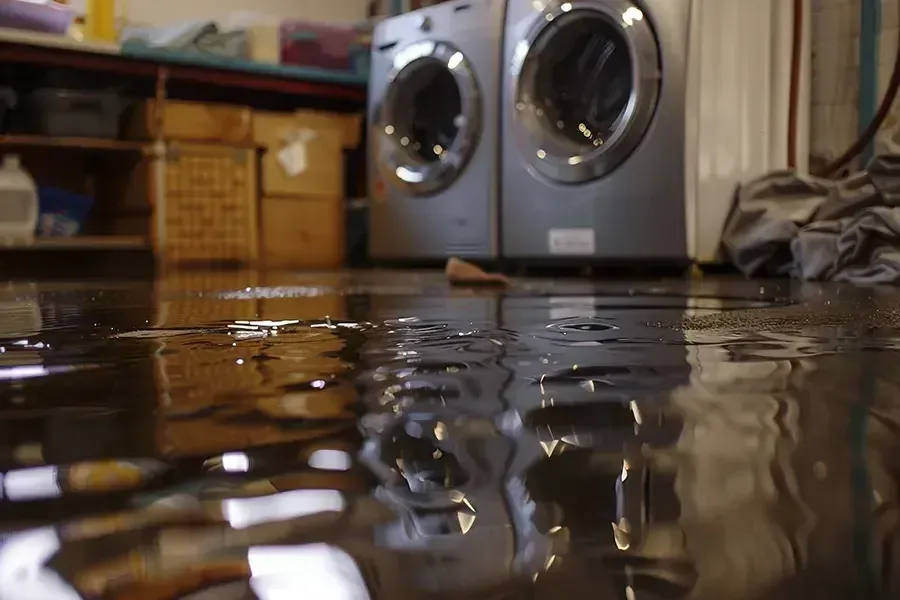
First steps for appliance and supply line leaks in Atlanta
Shut the valve
Turn off the shutoff valve at the wall or the main water valve and unplug the appliance.
Call and describe
Share which appliance leaked, which floor it sits on and what is below.
Extract and open
Surface water is removed, then toe kicks, cabinet bases or lower drywall are opened to dry.
Dry and recheck
Equipment runs until subfloor and cabinet readings match dry reference points.
What does appliance and supply line leaks cost in Atlanta, GA?
Appliance leak cost in Atlanta depends on where the water went. Surface water in one room costs the least, while a leak under cabinets and flooring or into the room below costs more. Repair of the appliance is separate.
Surface water, one room
$600 to $1,500- Surface water extracted
- Floor and baseboards dried
- Moisture readings
Under cabinets and flooring
$1,500 to $3,000- Toe kicks removed
- Subfloor drying
- Cabinet base checks
Leak into the room below
$3,000 to $4,500- Ceiling section opened
- Two rooms dried
- Daily readings
Ranges only, never a quote: the category of water, the wet square footage, the material class and how soon drying began decide the final number. The water damage cost calculator turns your answers into a planning range.
How a appliance and supply line leaks job is run here
Measured drying, steady dispatch and a clean record are what make the job hold up later.
Crews out at any hour
Nights, weekends and holidays, the nearest available crew rolls with extraction units, meters and dehumidifiers.
A dry goal in numbers
Wet materials are read against an unaffected spot in the same building, and the gear stays until the two match.
Records the insurer can follow
Daily readings, a moisture map and dated photos from before any tear-out go into one claim file.
Planned for the building
Older homes, lofts and newer construction dry differently, so equipment is placed to suit the walls and floors in front of the crew.
Appliance leaks show up in every kind of home, from craftsman bungalows to converted warehouse housing. A supply hose that bursts behind a washer or an ice maker connection that weeps can run unnoticed, and the water goes to the lowest, least visible places. Cabinet bases, dishwasher cutouts and laundry closets hold water against subfloors, which is why a dry looking surface can still be wet underneath.
Where appliance water hides
Water from a dishwasher or refrigerator slides under kitchen cabinets and into the subfloor. Laundry leaks can soak the wall behind the machines, and a second floor laundry room can send water through the ceiling below. The team checks all of these paths with a moisture meter before deciding what gets opened.
Questions about the appliance, the cabinets or the room below? Ask the drying team.
Ask the crew about hosesWhat the work involves
- Extracting surface water from floors and cabinet bases
- Pulling toe kicks to dry the cavity behind them
- Checking the wall and the room below for moisture
- Running air movers and dehumidifiers until dry
Stopping it and drying it
The appliance or hose is repaired or replaced by a plumber or technician, and the restoration crew handles the damage. If the leak ran into the room below, the job follows the steps under ceiling leak water damage, and the town service hub lists every service. Photos of the appliance, the hose and the wet area support the insurance claim.
Outside references: EPA WaterSense leak checks and EPA WaterSense.
How appliance and supply line leaks is handled, start to finish
- 01
Trace the water
Meters follow it under cabinets and floors.
- 02
Extract
Surface water and puddles are removed.
- 03
Open hidden spots
Toe kicks and cabinet bases come off.
- 04
Dry and verify
Equipment runs until readings fall.
Appliance and supply line leaks across Atlanta and nearby communities
Appliance leak calls come from Buckhead, Midtown, Downtown, Inman Park, Old Fourth Ward, West End, Collier Heights, Cascade Heights, Riverside, West Midtown and the converted housing along the Beltline.
The same service nearby: appliance and supply line leaks in Mableton, East Point, Brookhaven.
Appliance and Supply Line Leaks questions, answered
Which appliances leak most often?
Washers, dishwashers, refrigerator ice makers and their supply hoses are common sources. Hoses and fittings wear out, and a small drip can grow into a steady leak.
Can water under the cabinets be dried in place?
Often yes, once the toe kicks come off and air can move through the cavity. Cabinet bases that swell or delaminate may have to be replaced.
What if the leak soaked the room below?
The ceiling and walls underneath are checked and opened where readings are high. Water that drops through a floor system often shows as a stain on the ceiling.
Does a slow appliance leak matter?
Yes. A slow leak keeps subfloor and cabinets damp for a long stretch, which weakens wood and flooring. A moisture check shows how far it has gone.
Is an appliance leak covered by insurance?
Sudden hose or appliance failures are often covered, while long term seepage may not be. Photos, the failed part and moisture readings help the adjuster decide.
Who handles the appliance repair?
A plumber or appliance technician repairs the unit or hose. The drying team handles the water damage, and both jobs can run together.
Water under an appliance spreads
Tell the team which appliance leaked and what sits below it, and equipment is chosen for the cabinets and floors.