Kennesaw basement flood cleanup, start to finish
Rain and creek rise can push water into a lower level, and a failed sump pump can do it on a dry day. The team pumps out the water, removes what stays wet and dries the rest.
Call about the lower levelOpen 24/7: (888) 532-4616
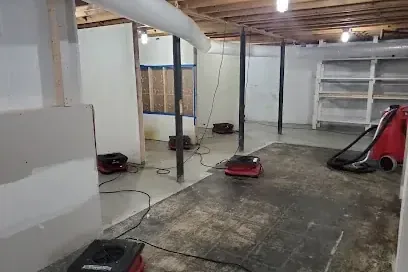
First steps for basement flooding cleanup in Kennesaw
Stay off the stairs
Do not walk into deep water, because outlets, panels and appliances can be live below the surface.
Cut off the source
Stop any running pipe or hose, and note whether water rises from a drain or seeps through walls.
Save what is dry
Carry boxes, tools and photos upstairs, and leave heavy furniture where it stands until the crew arrives.
Describe the depth
Tell the dispatcher how deep the water is, what floor covering it touches and whether a pump is running.
What does basement flooding cleanup cost in Kennesaw, GA?
An unfinished lower level with clean water usually costs $2,000 to $4,000, and a finished one runs $4,000 to $8,000 because carpet, drywall and trim come out. Drain backup or flood water reaches $7,000 to $12,000 since it is contaminated.
Unfinished, clean water
$2,000 to $4,000- Pump out and extract
- Slab and walls dried
- Short equipment stay
Finished, clean water
$4,000 to $8,000- Carpet and pad removed
- Drywall cut above water
- Trim and base dried
Drain backup or flood water
$7,000 to $12,000- Protective gear used
- Porous items discarded
- Disinfected before drying
Ranges only, never a quote: the category of water, the wet square footage, the material class and how soon drying began decide the final number. The water damage cost calculator turns your answers into a planning range.
How a basement flooding cleanup job is run here
Measured drying, steady dispatch and a clean record are what make the job hold up later.
Crews out at any hour
Nights, weekends and holidays, the nearest available crew rolls with extraction units, meters and dehumidifiers.
A dry goal in numbers
Wet materials are read against an unaffected spot in the same building, and the gear stays until the two match.
Records the insurer can follow
Daily readings, a moisture map and dated photos from before any tear-out go into one claim file.
Planned for the building
Older homes, lofts and newer construction dry differently, so equipment is placed to suit the walls and floors in front of the crew.
Water that gets below grade does not drain away on its own. September 2009 is the local reminder: an estimated 10 to 20 inches of rain fell across metro Atlanta in under 24 hours on September 20 and 21, and on September 21 Noonday Creek rose high enough to flood Chastain Road. Heavy rain is when lower levels and sump pits are tested.
Pumping first, then removal
The crew sets submersible pumps in the deepest spot and works outward, lowering the water in steps so walls and floors are not stressed. Once the surface is clear, wet carpet, pad and the bottom of drywall are cut out, because they hold water long after the puddle is gone. Furniture and stored boxes are moved to dry ground and sorted.
Water in the lower level? Describe what you see and the dispatcher explains the safest next move.
Ask about pumping outChecks after the water is out
- Sump pump float, discharge pipe and power supply
- Floor drains and cleanouts that may have backed up
- Stair stringers, wall bases and door frames that wick water
- Stored cardboard, fabric and paper that hold moisture
Clean water or flood water
Water that seeped up through the floor or came from a failed pump is usually clean at first, while water that rose from a drain or came in from outside is contaminated. The difference changes the plan: contaminated water means porous materials are discarded and surfaces are disinfected before drying starts. The crew judges the source on site, then explains the scope to the owner.
Outside references: FloodSmart, the National Flood Insurance Program and National Weather Service flood safety.
How basement flooding cleanup is handled, start to finish
- 01
Assess depth
Measure water and check the source
- 02
Pump down
Submersible pumps lower the water in steps
- 03
Strip and clear
Wet carpet, pad and drywall come out
- 04
Dry and verify
Dehumidifiers run until readings match
Basement flooding cleanup across Kennesaw and nearby communities
Basement flooding calls reach homes around Downtown Kennesaw, the Chastain Lakes area and across ZIP 30144, wherever a lower level, stairwell or utility room takes on water from outside or below.
The same service nearby: basement flooding cleanup in Mableton, Brookhaven, Atlanta.
Basement Flooding Cleanup questions, answered
Why does water enter a lower level after heavy rain?
Rain can saturate the ground around a foundation until water finds a crack or a window well, and a stalled sump pump adds to the problem.
Is it safe to pump the water out myself?
Only when the power is off and the water is shallow and clean. Water around electrical panels or deep stairs should stay untouched until the crew checks it.
What happens to the drywall and carpet?
Carpet and pad that sat in water usually go, and drywall is cut a short way above the highest water mark. Dry sections stay and are dried with the studs.
Does insurance treat a sump pump failure differently?
Policies differ, and water backup from a sump pump or drain often needs an added endorsement. Ask the adjuster, and keep photos of the pump and the water.
How do you tell clean water from flood water?
The source decides. A supply leak is clean at first, while water from a drain, a sewer or outside runoff is contaminated and needs protective gear and disposal.
How long until the lower level is usable again?
Drying usually takes several days, and rebuilding comes after the readings are dry. The crew explains which finishes were removed so repairs can be scheduled once the structure is ready.
Get the water down
Water soaks drywall, stairs and framing the longer it stays. Call any hour and the crew brings pumps and a drying plan.