Burst pipe water damage in Atlanta
A burst pipe can pour a flood into a wall cavity before anyone notices. The response team gets the water out of the cavity, the ceiling below and the floor, then sets drying gear so the damage does not spread.
Get a crew to the burstOpen 24/7: (888) 532-4616
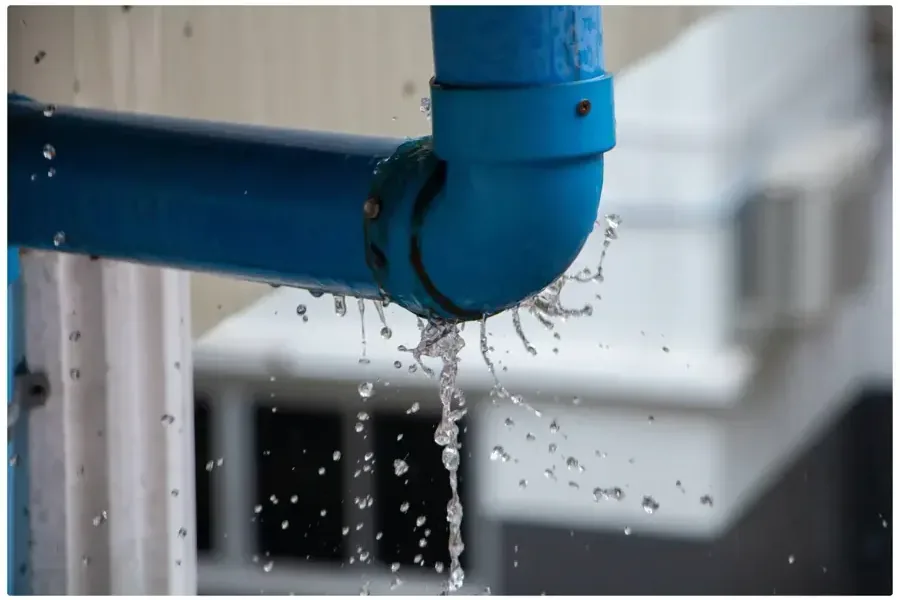
First steps for burst pipe water damage in Atlanta
Shut off the water
Locate the main valve and stop the flow.
Call the crew
Describe the room, the ceiling below and how long the pipe ran so equipment is loaded to match.
Extract and open up
Water is pulled from floors and cavities, and wet drywall is cut where readings demand it.
Dry and document
Drying gear runs until readings return to normal, with photos saved for the claim.
What does burst pipe water damage cost in Atlanta, GA?
Burst pipe cost in Atlanta follows how far the water traveled. One wall or one room sits at the low end, and a loss that reaches the ceiling below or several levels costs more.
One wall or one room
$1,200 to $3,000- Water extraction
- Cavity opened and dried
- Moisture checks
Ceiling and the floor below
$3,000 to $5,500- Two levels dried
- Insulation removal
- Ceiling section opened
Several rooms or levels
$5,500 to $8,000- Wider drying setup
- Flooring and wall removal
- Daily readings
Ranges only, never a quote: the category of water, the wet square footage, the material class and how soon drying began decide the final number. The water damage cost calculator turns your answers into a planning range.
How a burst pipe water damage job is run here
Measured drying, steady dispatch and a clean record are what make the job hold up later.
Crews out at any hour
Nights, weekends and holidays, the nearest available crew rolls with extraction units, meters and dehumidifiers.
A dry goal in numbers
Wet materials are read against an unaffected spot in the same building, and the gear stays until the two match.
Records the insurer can follow
Daily readings, a moisture map and dated photos from before any tear-out go into one claim file.
Planned for the building
Older homes, lofts and newer construction dry differently, so equipment is placed to suit the walls and floors in front of the crew.
Winters here bring only a light 2.2 inches of snow in a normal year, yet ice storms usually do more harm than snow, and the most severe local one struck on January 7, 1973. Cold and ice events are one reason pipes fail, but a burst can also come from age, pressure or a loose joint, and the water behaves the same way once it escapes.
What a burst pipe does behind the walls
Water from a split pipe follows framing, runs down inside the cavity and soaks insulation and drywall from the inside out. It can drop through the floor system to the ceiling below, which is why the team checks the room underneath as well. Thermal readings and a moisture meter trace the wet path before anything is cut, so the openings stay as small as the damage allows. Photos of the open cavity go in the file for the claim.
Questions about the break, the walls or what comes out first? Ask the response team.
Ask about the pipe breakWhat the crew handles
- Locating the break and confirming the water is shut off
- Extracting water from floors, cavities and the ceiling below
- Removing wet insulation and drywall that cannot dry in place
- Setting air movers and dehumidifiers with daily moisture checks
When the pipe is behind a finished wall
Many breaks sit behind paint and tile, so the first sign is often a stain, a soft spot or the sound of running water. Older craftsman bungalows and converted warehouse housing in West Midtown hide pipes in different ways, and the drying plan follows the construction. Insurance adjusters usually want photos and moisture logs, which the team keeps from the first visit. Standing water from the break comes out through water extraction before drying starts. Related jobs sit on the town hub.
Outside references: EPA WaterSense leak checks and Georgia Office of the Commissioner of Insurance.
How burst pipe water damage is handled, start to finish
- 01
Trace the leak
Thermal imaging and a moisture meter map the wet path.
- 02
Open and extract
Small cuts let water and wet insulation come out.
- 03
Dry the cavity
Air movers and dehumidifiers pull out what remains.
- 04
Verify and record
Final readings and photos go into the file.
Burst pipe water damage across Atlanta and nearby communities
Burst pipe calls come from Buckhead, Midtown, Inman Park, Old Fourth Ward, West End, Cascade Heights, Collier Heights, Riverside and Bolton, along with the converted housing in West Midtown.
The same service nearby: burst pipe water damage in Mableton, East Point, Brookhaven.
Burst Pipe Water Damage questions, answered
What should happen first when a pipe bursts?
Shut off the main water valve, switch off power to wet areas if that is safe, and move valuables out of the path. Then call the response team so extraction can start.
Does a burst pipe always damage the ceiling below?
Not always, but water drops through floor systems easily. The team checks the room underneath with a moisture meter even when no stain shows yet.
How much drywall has to be cut out?
Only as much as readings require. Wet insulation usually comes out, and drywall that is soaked through is replaced, while panels that can dry in place stay.
Is a burst pipe covered by insurance?
Sudden pipe breaks are often covered, though policies differ. Photos, moisture logs and an itemized drying record help the adjuster, and the team keeps them from the start.
Can an ice storm cause a burst pipe?
It can. Atlanta ice storms usually cause more problems than snow, and cold snaps can split pipes in unheated spaces. The damage inside the house is handled the same way as any other break.
Who repairs the pipe itself?
A plumber repairs the pipe. The restoration team handles the water, the wet materials and the drying afterward.
A broken pipe keeps running
Tell the team where the pipe broke and which rooms are wet, and drying gear is matched to that damage.