Frozen pipe damage in Atlanta homes
A pipe that freezes may split without any sign until the thaw sends water into the wall or ceiling. The drying team finds the wet cavity, removes the water and dries the framing before the damage settles in.
Book a thaw damage checkOpen 24/7: (888) 532-4616
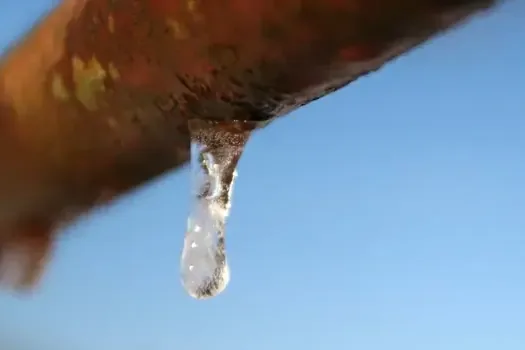
First steps for frozen pipe water damage in Atlanta
Shut off and drain
Close the main valve once a split shows, open a faucet low in the house and let the pipe drain.
Call about the thaw
Tell the crew where water is showing, which ceilings sag and whether the crawl space is wet.
Remove water and wet material
Standing water is extracted and insulation or drywall that holds water is taken out.
Dry and confirm
Air movers and dehumidifiers run until moisture readings match dry reference points.
What does frozen pipe water damage cost in Atlanta, GA?
Frozen pipe cost in Atlanta depends on where the split sits and how many rooms took water. A crawl space break is the smallest job, while an attic or ceiling failure and damage across several rooms cost more.
Crawl space only
$1,500 to $3,500- Water pumped from the space
- Insulation checked
- Dehumidifier drying
Attic or ceiling break
$3,000 to $6,000- Wet insulation removed
- Ceiling section opened
- Framing dried
Several rooms affected
$6,000 to $9,000- Floors and walls dried
- Extra air movers
- Daily readings
Ranges only, never a quote: the category of water, the wet square footage, the material class and how soon drying began decide the final number. The water damage cost calculator turns your answers into a planning range.
How a frozen pipe water damage job is run here
Measured drying, steady dispatch and a clean record are what make the job hold up later.
Crews out at any hour
Nights, weekends and holidays, the nearest available crew rolls with extraction units, meters and dehumidifiers.
A dry goal in numbers
Wet materials are read against an unaffected spot in the same building, and the gear stays until the two match.
Records the insurer can follow
Daily readings, a moisture map and dated photos from before any tear-out go into one claim file.
Planned for the building
Older homes, lofts and newer construction dry differently, so equipment is placed to suit the walls and floors in front of the crew.
Atlanta ice storms usually cause more problems than snow, which totals only about 2.2 inches in a normal winter. A hard overnight freeze can crack a pipe that looked fine the day before, and the visible damage often waits for the thaw. Because the pipe is often inside a wall or above a ceiling, the first sign is usually a stain, a drip or a sagging panel.
Where frozen pipes split first
Pipes in unheated crawl spaces, attics, garages and exterior walls are the first to freeze. A split can stay hidden until warm air melts the plug of ice, and then water pours out through the opening. Ceilings sag, insulation soaks and floors under the break take on water, so the drying team checks every level the water reached.
Questions about ice, thaw damage or what a wet ceiling needs? Ask the drying team before the damage spreads.
Ask a thaw questionWhat the drying team does
- Locates the split and confirms the supply is shut off
- Removes standing water from floors and low cavities
- Pulls soaked insulation and ceiling sections that hold water
- Dries framing and subfloors until readings return to normal
After the thaw, before the repair
A plumber repairs the pipe, but the wet materials around it need their own plan. Moisture meters show how far water traveled into attic insulation, ceilings and the bottoms of walls. Dated photos and readings support the insurance claim, and the team records both. Breaks that start at a joint rather than from ice follow the same plan as burst pipe damage, and the town service hub lists the other water jobs.
Outside references: Ready.gov winter weather and National Weather Service cold safety.
How frozen pipe water damage is handled, start to finish
- 01
Trace the thaw
Moisture meters follow water through attic, wall and floor.
- 02
Extract the water
Wet vacuums and pumps clear floors and low cavities.
- 03
Open what stays wet
Soaked insulation and ceiling sections are removed.
- 04
Dry and verify
Equipment runs until readings return to normal.
Frozen pipe water damage across Atlanta and nearby communities
Frozen pipe calls come from Buckhead, Peachtree Battle, Chastain Park, Midtown, Inman Park, Old Fourth Ward, Collier Heights, Cascade Heights and West End, along with the historic streetcar suburbs on the eastside.
The same service nearby: frozen pipe water damage in Mableton, East Point, Brookhaven.
Frozen Pipe Water Damage questions, answered
When does a frozen pipe actually leak?
Ice often plugs the crack at first. When warm air melts it, water flows through the split, which is why damage commonly appears after the temperature rises.
Do Atlanta winters really break pipes?
Snow is light here, yet ice storms usually do more harm than snow. A hard freeze is enough to crack pipes in unheated spaces.
Should the water be shut off right away?
Yes. Closing the main valve limits how much water escapes, and draining the taps lets pressure out of the damaged pipe. The drying team then deals with what already got wet.
Can wet attic insulation be dried?
Soaked insulation usually has to come out because it holds water against the ceiling. Light dampness can sometimes be dried in place if readings stay low.
Will a frozen pipe leak show up in the room below?
It can. Water that escapes above a ceiling travels down through light fixtures and seams, so the team checks the room below even when it looks dry.
Does insurance cover frozen pipe damage?
Many policies cover sudden water damage from a split pipe, though terms vary. Photos taken at the start and drying records help the adjuster assess the claim.
Split pipe water needs a plan
Describe the sagging ceiling or wet crawl space, and the crew brings gear matched to the water that came out.