Commercial water damage in Atlanta
A water loss in an office, shop or multi unit building stops work until it is dried. The mitigation team extracts the water, protects what can be saved and documents everything for the owner and the insurer.
Report a commercial water lossOpen 24/7: (888) 532-4616
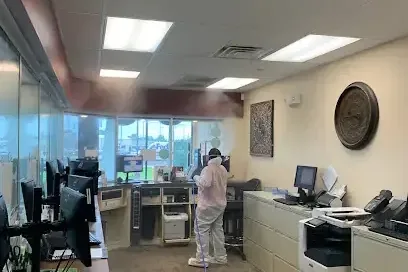
First steps for commercial water damage in Atlanta
Make the area safe
Shut off the source and keep occupants out of affected suites.
Call with the details
Give the building type, the floors involved and a contact who can approve access.
Extract and protect
Water is removed, contents are moved or covered and wet materials are opened.
Dry and report
Equipment runs with daily readings, and written updates go to the manager and insurer.
What does commercial water damage cost in Atlanta, GA?
Commercial water damage cost in Atlanta depends on the floor area and the number of suites affected. A single suite or office sits at the low end, and a large floor or whole building reaches the top of the range.
Single suite or office
$2,500 to $6,000- Water extraction
- Wall and ceiling drying
- Written readings
Several suites or units
$6,000 to $15,000- Multi suite drying
- Staged equipment
- Updates for managers
Large floor or building
$15,000 to $25,000+- Zone by zone drying
- Extended monitoring
- Full documentation set
Ranges only, never a quote: the category of water, the wet square footage, the material class and how soon drying began decide the final number. The water damage cost calculator turns your answers into a planning range.
How a commercial water damage job is run here
Measured drying, steady dispatch and a clean record are what make the job hold up later.
Crews out at any hour
Nights, weekends and holidays, the nearest available crew rolls with extraction units, meters and dehumidifiers.
A dry goal in numbers
Wet materials are read against an unaffected spot in the same building, and the gear stays until the two match.
Records the insurer can follow
Daily readings, a moisture map and dated photos from before any tear-out go into one claim file.
Planned for the building
Older homes, lofts and newer construction dry differently, so equipment is placed to suit the walls and floors in front of the crew.
The May 2024 water outage downtown showed how a single break reaches many buildings. It closed Fulton County offices downtown, led Zoo Atlanta to close early and caused Grady to cancel elective and non-urgent procedures because of low water pressure. A loss inside one building does not make headlines, but it can stall a business just as completely.
How commercial jobs differ
Commercial losses involve more people and more rules than a house. Tenants, property managers and insurers all need updates, and shared walls, ceilings and mechanical rooms spread water between suites. The team surveys the whole affected footprint, sets priorities with the manager and works around the hours the business needs to open.
Questions about access, records or keeping the business running? Ask the mitigation team.
Ask the team about accessWhat the work covers
- Water extraction from carpet, tile and concrete floors
- Drying of drywall, ceilings and shared wall cavities
- Moisture logs for each suite and room
- Photo records and written updates for managers and insurers
Planning around the business
Drying equipment in an occupied building needs a plan for noise, cords and foot traffic, so the team marks routes and stages gear by area. Detailed logs and photos support the claim. Tenants are told when each area is clear to use. Small losses from fixtures or supply failures follow the same process as water extraction, and the town service hub lists the other services.
Outside references: Ready.gov business planning and Georgia Office of the Commissioner of Insurance.
How commercial water damage is handled, start to finish
- 01
Survey
The affected footprint is mapped across every suite.
- 02
Extract
Water leaves floors and walls.
- 03
Dry
Equipment is staged by area.
- 04
Report
Logs and photos go to the manager.
Commercial water damage across Atlanta and nearby communities
Commercial calls come from Downtown, Midtown, Buckhead, West Midtown, Peachtree Center, the Atlanta Beltline corridor, Old Fourth Ward, Vine City and the offices and campuses near Georgia State University.
The same service nearby: commercial water damage in Mableton, East Point, Brookhaven.
Commercial Water Damage questions, answered
What types of buildings does this cover?
Offices, retail suites, restaurants, apartment common areas and multi tenant buildings all fall under commercial work. The team scales equipment to the size of the affected floor.
Can a business stay open during drying?
Often partly. The team isolates the wet area, routes cords and gear away from customers and works with the manager on which suites stay in use.
What records does the insurer expect?
Photos from the first visit, moisture readings, equipment logs and a list of removed materials. The team keeps these for each suite so the claim file stays complete.
Who is responsible when water comes from another suite?
Lease terms and the cause decide that. The mitigation team documents where the water started and spread, which helps managers and insurers sort it out.
How does a city water outage affect a building?
A supply break can close offices and lower pressure, as it did downtown in May 2024. Water already inside a building is a separate loss that still needs extraction and drying.
Is large floor drying different from a home?
The principles match, but equipment is staged by zone and tracked on a larger scale. Concrete floors and shared ceilings often need extra time.
Business water loss needs a plan
Tell the team the building type, the floors involved and who approves access, and equipment is staged for the affected suites.