Frozen Pipe Water Damage in College Park, GA
A pipe that cracks in a hard cold snap can look fine until the ice melts and the water pours out. The response team extracts the flood, dries the structure and records the loss for the insurer.
Report the thawed pipe floodOpen 24/7: (888) 532-4616
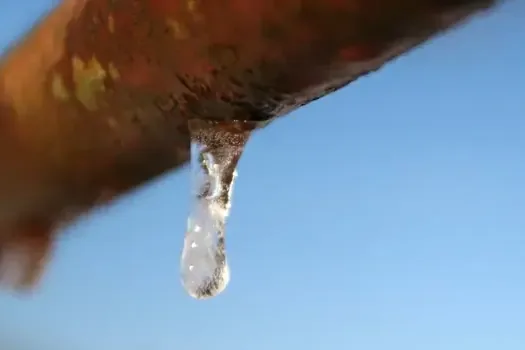
First steps for frozen pipe water damage in College Park
Close the main valve
A thawed split flows freely, so cutting the supply comes first and limits how much of the house gets wet.
Switch off wet circuits
Use a dry panel, and stay away from sagging ceilings near fixtures and outlets.
Photograph the damage
Dated images of the split pipe, wet ceilings and floors give the adjuster a clear record, and keeping the heat on protects other pipes.
Call for extraction
Water in ceilings and walls keeps spreading, so describing the affected rooms starts the right drying plan.
What does frozen pipe water damage cost in College Park, GA?
Costs depend on where the pipe let go. A crawl space break often sits near $1,500 to $3,500, an attic or ceiling break near $3,000 to $6,000, and a thaw flood across several rooms can approach $9,000.
Crawl space only
$1,500 to $3,500- Water pumped out
- Insulation checked
- Subfloor dried
Attic or ceiling break
$3,000 to $6,000- Ceiling section removed
- Wet insulation discarded
- Rooms below dried
Several rooms affected
$6,000 to $9,000- Walls and floors opened
- Many equipment days
- Full dry-down
Ranges only, never a quote: the category of water, the wet square footage, the material class and how soon drying began decide the final number. The water damage cost calculator turns your answers into a planning range.
How a frozen pipe water damage job is run here
Measured drying, steady dispatch and a clean record are what make the job hold up later.
Crews out at any hour
Nights, weekends and holidays, the nearest available crew rolls with extraction units, meters and dehumidifiers.
A dry goal in numbers
Wet materials are read against an unaffected spot in the same building, and the gear stays until the two match.
Records the insurer can follow
Daily readings, a moisture map and dated photos from before any tear-out go into one claim file.
Planned for the building
Older homes, lofts and newer construction dry differently, so equipment is placed to suit the walls and floors in front of the crew.
Ice expands inside a pipe until the metal or plastic gives way, but the split often stays plugged by the ice itself. The real flood starts when the temperature climbs and the plug melts, which can happen while a house sits empty. By then water has been falling for a while, and the cleanup begins with finding every spot it reached.
A cold snap in context
A major winter storm hit Georgia in late January 2026 under a state of emergency, and Clayton County expected heavy freezing rain on January 25. Those were forecasts and statewide steps, not damage counts for the city, and nothing here claims how many pipes froze or burst. What holds in any cold snap is the pattern: a break shows up after the thaw, so the response comes when the water appears. A burst supply pipe and a thawed one are cleaned the same way.
Pipe thawed and water coming through the ceiling? Shut the main valve and call with the room list.
Report the thaw floodWhat the response team handles
- Water on floors, extracted before it reaches the rooms around it
- Wet ceiling drywall and insulation, opened and removed where saturated
- Crawl spaces and exterior walls, checked with meters for hidden moisture
- Drying equipment set and monitored until readings return to normal
What to do when the pipe thaws
Shut the main valve at once, since a thawed split keeps running until the supply is cut. Turn off power to wet areas from a dry panel, photograph the break and the damage, and keep the heat on to stop the next pipe from freezing. A plumber repairs the pipe, and the drying work can proceed alongside that repair.
Outside references: Ready.gov winter weather and National Weather Service cold safety.
How frozen pipe water damage is handled, start to finish
- 01
Find the split
Locate the break and every wet area in the house
- 02
Extract
Pull thaw water from floors and low spots
- 03
Open up
Remove saturated ceiling drywall and wet insulation
- 04
Dry down
Run equipment until readings reach a dry reference
Frozen pipe water damage across College Park and nearby communities
Thaw floods are handled in Historic College Park, Downtown College Park and Airport City, and in the homes, apartments and storage spaces covered by the 30337 and 30349 ZIP codes.
The same service nearby: frozen pipe water damage in Mableton, East Point, Atlanta.
Frozen Pipe Water Damage questions, answered
Why does a frozen pipe flood after it thaws?
Ice often plugs the split. When it melts, water flows through the crack and keeps flowing until the main valve is closed, which can flood several rooms.
Is a frozen pipe break the same as any other burst?
The cleanup is the same: extract, open wet cavities, dry and document. Only the cause, ice, is different, along with the timing of the flood after the thaw.
Does the January 2026 storm mean local pipes burst?
No. The state of emergency and the Clayton County forecast are confirmed, but no freeze or burst totals for the city are claimed here.
Where does thaw water hide?
Above ceilings, inside exterior walls and in crawl spaces, which is why meters and a thermal camera direct where the team opens.
Should the heat stay on after a break?
Yes. Warm rooms protect the other pipes, and moderate heat helps drying equipment pull moisture out of materials.
Can insurance cover a frozen pipe flood?
Sudden bursts are often covered after the deductible, though wording differs, so photograph everything and ask the insurer.
Thaw water in the house?
Extraction can start on floors while ceilings and walls are assessed. Call and describe where the water appeared.