Slab Leak Water Damage in College Park, GA
A pipe leaking beneath a concrete floor can wet flooring for weeks before a stain or a warm spot appears. The drying team lifts the damaged floor covering and dries the slab once the plumber stops the leak.
Have the damp slab dried outOpen 24/7: (888) 532-4616
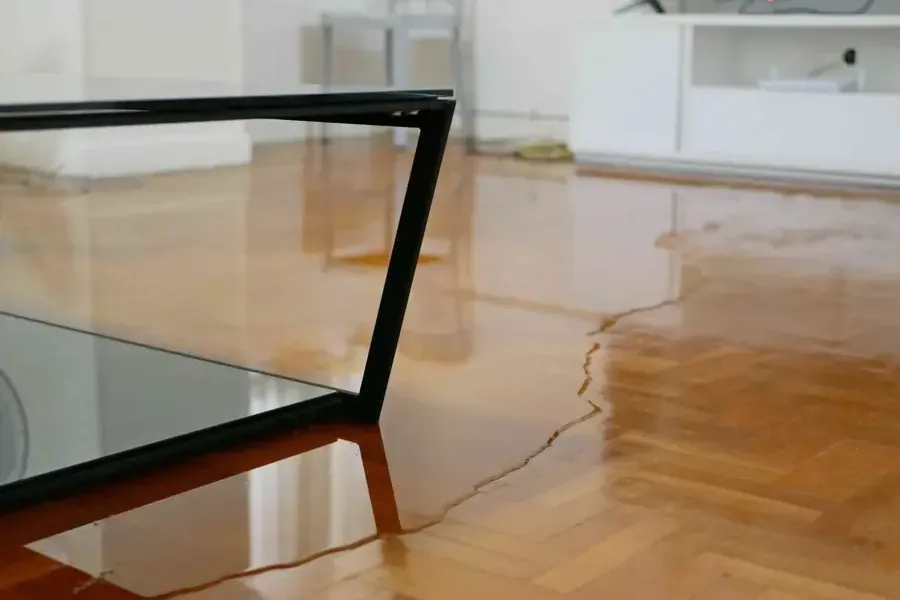
First steps for slab leak water damage in College Park
Watch for warning signs
Warm floor spots, damp carpet or a running meter with fixtures off point to a slab leak.
Close the main valve
Cutting the supply limits how much water moves into the slab and the flooring above.
Call a plumber to confirm
Leak detection finds the pipe before floors are lifted, so the right area is opened.
Call for drying
Describe the damp rooms, and the crew plans moisture mapping and equipment for the slab.
What does slab leak water damage cost in College Park, GA?
Cost follows how much flooring is wet. One room often sits near $1,500 to $3,000, two or three rooms near $3,000 to $5,500, and most of a floor can run to $7,500, plus the plumber's separate repair bill.
One room of flooring
$1,500 to $3,000- Flooring lifted
- Slab dried in place
- Daily readings
Two to three rooms
$3,000 to $5,500- Several floors affected
- More dehumidifiers
- Trim removed
Most of the floor
$5,500 to $7,500- Wide floor removal
- Extended slab drying
- Full documentation
Ranges only, never a quote: the category of water, the wet square footage, the material class and how soon drying began decide the final number. The water damage cost calculator turns your answers into a planning range.
How a slab leak water damage job is run here
Measured drying, steady dispatch and a clean record are what make the job hold up later.
Crews out at any hour
Nights, weekends and holidays, the nearest available crew rolls with extraction units, meters and dehumidifiers.
A dry goal in numbers
Wet materials are read against an unaffected spot in the same building, and the gear stays until the two match.
Records the insurer can follow
Daily readings, a moisture map and dated photos from before any tear-out go into one claim file.
Planned for the building
Older homes, lofts and newer construction dry differently, so equipment is placed to suit the walls and floors in front of the crew.
A slab leak hides because the pipe sits inside or beneath concrete. Water rises through cracks and joints, soaks the flooring above and moves sideways under walls. Warm patches on the floor, a sudden rise in the water bill or the sound of running water with every fixture off are the usual clues, and a plumber confirms the leak before any drying starts.
What is and is not known locally
Foundation types and pipe materials are not documented for the city, so nothing here assumes how any home was built. The City of College Park Building and Inspections department handles permits that include plumbing, which matters when the repair needs one. The restoration side is the same everywhere: wet floor covering comes up, the slab is dried and readings decide when the work is done, with water extraction available when water stands on the surface.
Warm floor or damp carpet with no visible source? Describe what has been noticed and the crew will plan the mapping.
Get the slab assessedHow the slab is dried
- Flooring, pad and baseboards lifted wherever meters show moisture
- Concrete read with moisture meters, since slabs hold water for a long time
- Desiccant or low-grain dehumidifiers paired with air movers across the floor
- Daily readings logged until the slab reaches the dry target
Why the slab needs patience
Concrete is dense, so it releases moisture slowly. Putting new flooring over a slab that is still damp risks buckled boards and trapped humidity, which is why the target is a measured reading rather than a calendar date. The drying team keeps equipment running until the numbers settle, and the file records each visit.
Outside references: EPA WaterSense leak checks and Georgia Office of the Commissioner of Insurance.
How slab leak water damage is handled, start to finish
- 01
Locate the leak
A plumber confirms the source before floors come up
- 02
Lift
Wet flooring, pad and trim removed
- 03
Dehumidify
Slab dried with matched equipment and fans
- 04
Verify
Readings logged to dry target
Slab leak water damage across College Park and nearby communities
Slab leak work covers homes and small buildings across Historic College Park, Downtown College Park and Airport City, as well as the 30337 and 30349 ZIP codes of the city.
The same service nearby: slab leak water damage in Mableton, East Point, Atlanta.
Slab Leak Water Damage questions, answered
How is a slab leak found?
A plumber uses leak detection tools to locate the pipe, since the drying team treats the water damage rather than finding the break.
Does every home here have a slab foundation?
Foundation types are not documented for the city, so no claim is made. The page applies to homes built on a concrete slab.
How long does a slab take to dry?
Longer than framing, because concrete holds water. Readings, not a set number of days, decide when the equipment can leave, and the log shows each visit.
Can flooring stay in place?
Sometimes, if meters show only the slab is damp, but wet floor coverings and trim are usually lifted to dry properly.
Do slab leaks need permits?
The repair may. The city's Building and Inspections department handles plumbing permits, so ask them about the specific work.
Will the insurer want proof?
Yes. Moisture maps, photos and daily readings from the file help the adjuster understand the loss and the scope.
Suspect a leak under the floor?
Once the plumber confirms the source, the drying team lifts wet flooring and dries the slab. Call with the room list.