Slab leak damage and drying in Kennesaw
A leaking pipe under a concrete floor rarely announces itself. Warm patches, damp flooring and a rising water bill are the clues, and the drying team handles the wet materials once the leak is found.
Call about the floor leakOpen 24/7: (888) 532-4616
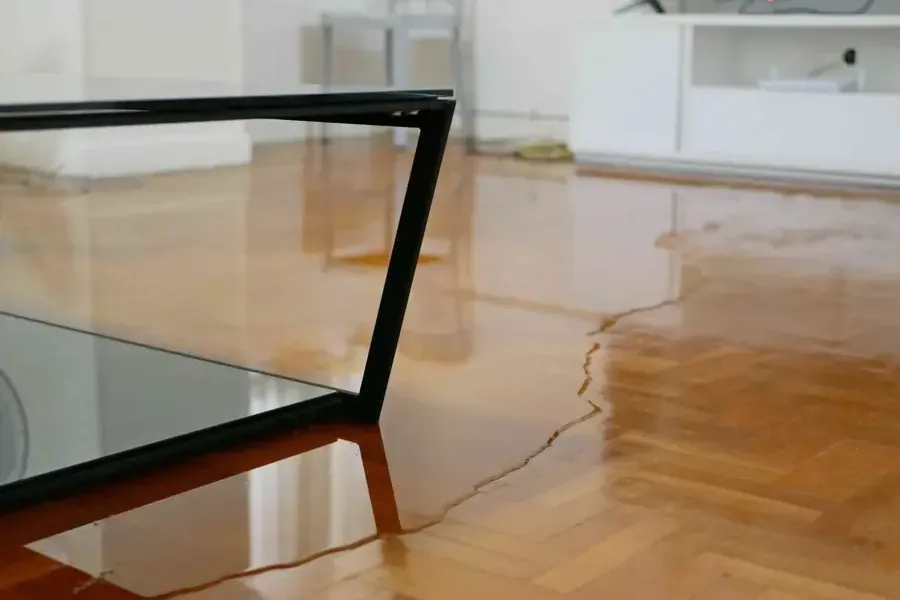
First steps for slab leak water damage in Kennesaw
Confirm the clue
Check the meter with every fixture off. A moving dial points to a leak in the pipes.
Shut the water
Close the main valve until a plumber arrives, and protect rugs and furniture from the damp patch.
Photograph the floor
Take pictures of stains, lifted flooring and any water, plus the meter reading.
Call both trades
Reach a plumber for the pipe and the restoration crew for the wet floor so both jobs move together.
What does slab leak water damage cost in Kennesaw, GA?
Damp flooring in one room usually costs $1,500 to $3,000 to dry and repair. Two or three rooms run $3,000 to $5,500, and most of a floor reaches $5,500 to $7,500. The plumber's repair is a separate bill.
One room of flooring
$1,500 to $3,000- Flooring lifted and dried
- Baseboards pulled
- Slab surface dehumidified
Two to three rooms
$3,000 to $5,500- Wider moisture grid
- Wall bases opened
- Longer equipment run
Most of the floor
$5,500 to $7,500- Whole floor lifted
- Multiple dehumidifiers
- Daily readings
Ranges only, never a quote: the category of water, the wet square footage, the material class and how soon drying began decide the final number. The water damage cost calculator turns your answers into a planning range.
How a slab leak water damage job is run here
Measured drying, steady dispatch and a clean record are what make the job hold up later.
Crews out at any hour
Nights, weekends and holidays, the nearest available crew rolls with extraction units, meters and dehumidifiers.
A dry goal in numbers
Wet materials are read against an unaffected spot in the same building, and the gear stays until the two match.
Records the insurer can follow
Daily readings, a moisture map and dated photos from before any tear-out go into one claim file.
Planned for the building
Older homes, lofts and newer construction dry differently, so equipment is placed to suit the walls and floors in front of the crew.
A slab leak starts in a pipe that runs under or inside a concrete floor, out of sight. Because the water travels along the underside of flooring, the first signs are often a warm patch underfoot, a hissing sound, a stained baseboard or a water bill that jumps without explanation. By then moisture has usually spread beyond the spot where it surfaced.
What the drying team handles
A plumber or leak detection specialist locates and repairs the pipe, which is not restoration work. Once the water source is closed, the drying team lifts wet flooring where needed, extracts standing water, removes soaked baseboards and sets air movers and dehumidifiers to pull moisture from the slab surface and the walls above it. Hardwood and glued down flooring react worst, since they swell or lift when moisture sits beneath them.
Warm spot on the floor or a bill that jumped? Describe the clues and the dispatcher explains the next step.
Ask about warm floorsClues that point to a hidden leak
- A floor spot that stays warm even when the heat is off
- Water meter movement with every fixture turned off
- Cracked grout, lifted tile or flooring that cups
- A musty smell near baseboards that does not fade
What the dry out looks like
Moisture readings come first, taken across the floor in a grid so the damp edge is clear. Wet flooring and baseboards that cannot dry are removed, and equipment runs until the slab and wall bases match dry reference points. Owners receive the readings and photos, which support an insurance claim if the plumber's report confirms a sudden leak. Patience matters here, because concrete releases moisture slowly and stays damp longer than wood framing.
Outside references: EPA WaterSense leak checks and Georgia Office of the Commissioner of Insurance.
How slab leak water damage is handled, start to finish
- 01
Map moisture
Grid readings across floor and walls
- 02
Lift and extract
Wet flooring comes up, water comes out
- 03
Dry the slab
Dehumidifiers pull moisture from concrete
- 04
Confirm
Readings match dry reference points
Slab leak water damage across Kennesaw and nearby communities
Slab leak calls reach homes in Downtown Kennesaw, the Chastain Lakes area and the rest of ZIP 30144, including kitchens, hallways and bedrooms where flooring lifts or cups first.
The same service nearby: slab leak water damage in Mableton, Brookhaven, Atlanta.
Slab Leak Water Damage questions, answered
How do I tell if a leak is under the floor?
Look for warm spots, a hiss, damp carpet near a wall or a meter that moves with everything off. A plumber confirms the spot.
Does the drying team fix the leaking pipe?
No. A plumber repairs the pipe. The drying team removes water and wet materials, then dries the floor system so the repair is not buried in damp flooring.
Can hardwood survive a slab leak?
Sometimes. Boards lifted early may dry out, but cupped or buckled hardwood often needs replacing, and the longer water sits beneath it the less likely it recovers.
Why does the floor feel warm?
A leaking hot water pipe can heat the concrete above it. A warm patch that stays warm when the heating is off is worth reporting to a plumber right away.
How long does a slab dry out take?
Several days is common, and dense concrete can need longer. The crew keeps measuring and stops only when readings match dry reference points.
Will insurance consider a slab leak?
Coverage depends on the policy and on whether the leak was sudden. The plumber's report, the crew's photos and the moisture readings give the adjuster what is needed.
Damp floor? Get it checked
Water under a floor keeps spreading while nobody sees it. Call any hour and the drying team will map the moisture.