Sewage backup cleanup in Atlanta
Sewage in a home is a health hazard, not just a mess. The crew wears protective gear, removes the waste water and soiled materials, then cleans and dries every surface it touched.
Get backup cleanup startedOpen 24/7: (888) 532-4616
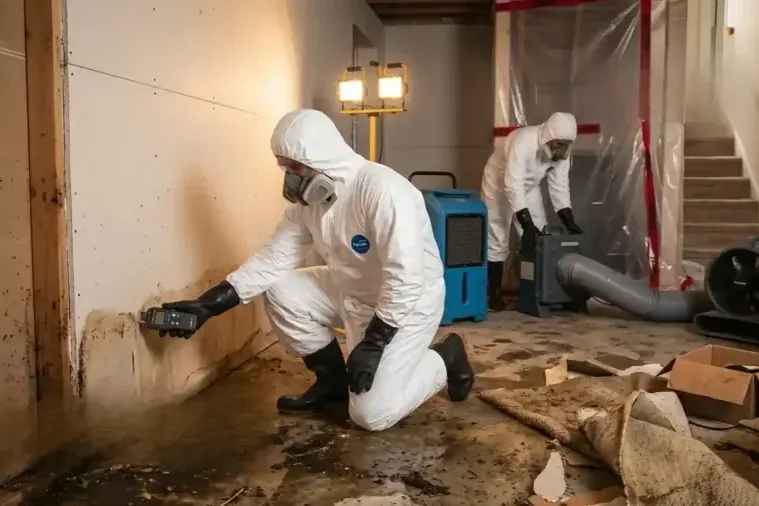
First steps for sewage backup cleanup in Atlanta
Stay out and report
Keep people and pets away and avoid using drains.
Call the crew
Describe the rooms touched and what the water carried so protective supplies match the job.
Remove and disinfect
Waste water goes first, then porous materials, and surfaces are washed and disinfected.
Dry and clear
Equipment dries the structure, and readings confirm it before rebuilding starts.
What does sewage backup cleanup cost in Atlanta, GA?
Sewage backup cost in Atlanta rises with the area reached and how long the waste water sat. A bathroom or small area is the smallest job, and widespread or long standing damage costs the most.
Bathroom or small area
$2,500 to $5,000- Waste water removed
- Porous materials bagged and discarded
- Surfaces disinfected
Basement or several rooms
$5,000 to $9,000- Wider containment
- Carpet and drywall removal
- Dehumidifier drying
Widespread or long-standing
$9,000 to $12,000- Extended protective steps
- Structural material removal
- Longer drying and testing
Ranges only, never a quote: the category of water, the wet square footage, the material class and how soon drying began decide the final number. The water damage cost calculator turns your answers into a planning range.
How a sewage backup cleanup job is run here
Measured drying, steady dispatch and a clean record are what make the job hold up later.
Crews out at any hour
Nights, weekends and holidays, the nearest available crew rolls with extraction units, meters and dehumidifiers.
A dry goal in numbers
Wet materials are read against an unaffected spot in the same building, and the gear stays until the two match.
Records the insurer can follow
Daily readings, a moisture map and dated photos from before any tear-out go into one claim file.
Planned for the building
Older homes, lofts and newer construction dry differently, so equipment is placed to suit the walls and floors in front of the crew.
Sewage backups are reported to Atlanta Watershed Management Customer Service, and Clean Water Atlanta is the city program covering sanitary sewer overflows, combined sewer overflows and stormwater flooding. Reports go to the utility, while the cleanup of the home itself is the restoration crew's job. A backup can start with a clogged pipe, and tree roots can grow into sewer pipes because the moisture and warmth inside attract them.
Why sewage needs a different plan
Waste water carries bacteria and viruses, so anything porous that it touched is treated as ruined. Carpet, padding, insulation and lower drywall are removed and bagged, and hard surfaces are washed and disinfected. The crew seals off the work area so contamination does not travel to clean rooms.
Questions about contamination, safety or what has to be removed? Ask the crew before touching anything.
Ask the cleanup crewCommon backup causes
- Flushed wipes that clog pipes, which the city's No Wipes in Pipes campaign targets
- Tree roots growing into sewer pipes
- Heavy rain that overloads the sewer system
- A blockage in the home's own drain
Cleaning and drying after
After removal and disinfecting, dehumidifiers and air movers dry the structure and moisture readings confirm the result. Basement backups follow the same plan as basement flooding cleanup with extra protective steps, and the town service hub lists other water jobs. Photos and itemized lists of discarded materials support the insurance claim.
Outside references: EPA sanitary sewer overflows and Ready.gov flood safety.
How sewage backup cleanup is handled, start to finish
- 01
Contain the area
Plastic seals off clean rooms.
- 02
Remove waste
Water and porous materials leave.
- 03
Disinfect
Hard surfaces are washed and treated.
- 04
Dry and test
Equipment runs and readings confirm.
Sewage backup cleanup across Atlanta and nearby communities
Sewage backup calls come from Buckhead, Midtown, Downtown, Inman Park, Old Fourth Ward, West End, Collier Heights, Cascade Heights, Riverside, Bolton, Whittier Mill and the neighborhoods along the creek corridors.
The same service nearby: sewage backup cleanup in Mableton, East Point, Brookhaven.
Sewage Backup Cleanup questions, answered
Who should be told about a sewage backup?
The City of Atlanta Department of Watershed Management takes sewer spill and sewage backup reports through its Customer Service. A cleanup crew handles the inside of the home.
Is sewage water dangerous to touch?
Yes. It carries bacteria and viruses, so skin contact and splashes should be avoided until the crew arrives in protective gear.
Can carpet be saved after a sewage backup?
Almost never. Carpet and padding that absorbed waste water are removed and discarded because they cannot be made safe again. Hard floors can usually be disinfected.
What causes sewage to back up into a home?
Clogs from wipes, tree roots in sewer pipes and heavy rain that overloads the system are common causes. The city's No Wipes in Pipes campaign targets the first.
Does insurance cover sewage backup?
Backup coverage is often an add on to a homeowners policy rather than standard. The adjuster should be told it was a sewage loss, with photos and a list of discarded items.
When is the space safe to use again?
Once contaminated materials are gone, surfaces are disinfected and moisture readings confirm the area is dry. The crew explains the result before anyone moves back.
Sewage needs careful removal
Tell the crew which rooms the backup reached and where it came from, and protective supplies are matched to it.