Storm and flash flood cleanup in Atlanta
Floodwater brings silt, debris and bacteria into a home along with the water itself. The cleanup crew removes the water, hauls out what cannot be saved and dries what can.
Get flood crews startedOpen 24/7: (888) 532-4616
First steps for storm and flash flood cleanup in Atlanta
Stay out of the water
Floodwater can hide debris and live wiring, so keep power off and wait for the crew.
Call and describe
Share how the water entered, which rooms are wet and whether silt or sewage is present.
Pump and remove
Water goes first, then silt, soaked carpet, padding and drywall that took flood water.
Clean and dry
Surfaces are washed and treated, and equipment dries the structure to normal readings.
What does storm and flash flood cleanup cost in Atlanta, GA?
Storm flood cleanup cost in Atlanta tracks how much of the home took water. One room or an entry sits lowest, and a basement or several levels pushes the price up. Contaminated flood water adds cleaning steps.
One room or entry
$3,000 to $6,000- Floodwater pumped out
- Silt and debris removed
- Surfaces washed and dried
Basement or lower level
$6,000 to $10,000- Deep pumping
- Carpet and drywall removal
- Dehumidifier drying
Several rooms or levels
$10,000 to $15,000- Full structure drying
- Contents sorted and listed
- Daily readings
Ranges only, never a quote: the category of water, the wet square footage, the material class and how soon drying began decide the final number. The water damage cost calculator turns your answers into a planning range.
How a storm and flash flood cleanup job is run here
Measured drying, steady dispatch and a clean record are what make the job hold up later.
Crews out at any hour
Nights, weekends and holidays, the nearest available crew rolls with extraction units, meters and dehumidifiers.
A dry goal in numbers
Wet materials are read against an unaffected spot in the same building, and the gear stays until the two match.
Records the insurer can follow
Daily readings, a moisture map and dated photos from before any tear-out go into one claim file.
Planned for the building
Older homes, lofts and newer construction dry differently, so equipment is placed to suit the walls and floors in front of the crew.
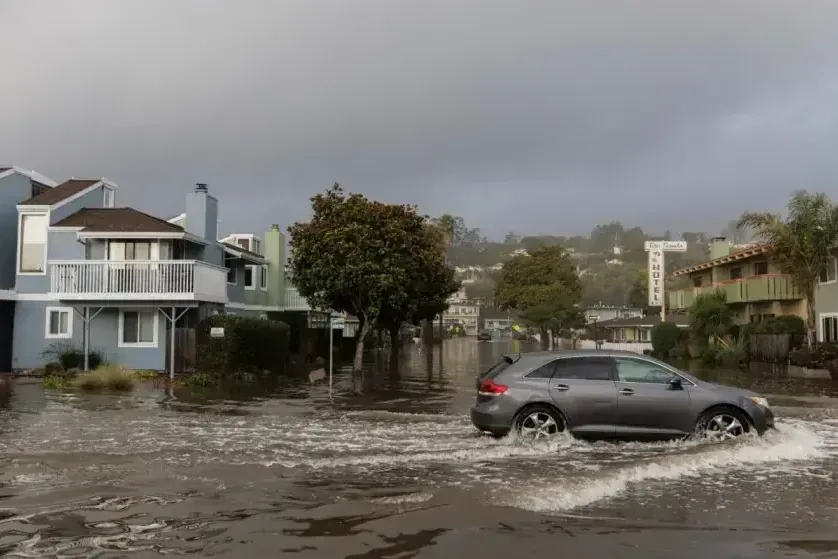
On September 27, 2024, Peachtree Creek topped its banks in Buckhead and flooded streets and homes in Peachtree Battle and Chastain Park. Hurricane Helene rain had pushed the creek up more than 21 feet in two days, with nearly 8 inches of rain over that time. Creek flooding of that kind leaves homes with water, mud and a long list of ruined materials.
What flood cleanup involves
Floodwater is classed as contaminated because it gathers soil, sewage and runoff on its way in. The crew wears protective gear, pumps out the water, shovels silt and removes soaked carpet, padding and drywall. Contents are sorted and photographed before disposal. Hard surfaces are washed and treated, and everything is dried with dehumidifiers and air movers before rebuilding starts.
Questions about floodwater, silt or what a drying plan includes? Ask the flood crew.
Ask the flood crewWork on a flood job
- Pumping out creek, street and runoff water
- Shoveling silt and hauling out ruined contents
- Removing carpet, padding and drywall that took water
- Cleaning, drying and checking every wet surface
Flood history and the claim
Days of heavy rain flooded the Atlanta area in September 2009, with up to 20 inches falling in places across the Southeast. Photos of the wet marks on walls, damaged items and the point where water entered help the insurance claim. Drying details sit under structural drying, and the town service hub lists the other water jobs.
Outside references: FloodSmart, the National Flood Insurance Program and National Weather Service flood safety.
How storm and flash flood cleanup is handled, start to finish
- 01
Pump the water
Floodwater and runoff leave the building.
- 02
Clear the silt
Mud and debris are shoveled out.
- 03
Clean surfaces
Hard surfaces are washed and treated.
- 04
Dry the structure
Dehumidifiers pull out what remains.
Storm and flash flood cleanup across Atlanta and nearby communities
Storm flood calls come from Buckhead, Peachtree Battle, Chastain Park, Vine City, Riverside, Bolton, Whittier Mill, Midtown and Downtown, plus the creek corridors and low areas near the Chattahoochee River.
The same service nearby: storm and flash flood cleanup in Mableton, East Point, Brookhaven.
Storm and Flash Flood Cleanup questions, answered
Is floodwater from a creek considered contaminated?
Yes. Creek and runoff water carries soil, bacteria and sometimes sewage, so the crew treats the whole loss with protective steps and disposes of soaked porous materials.
What happens to carpet after a flood?
Carpet and padding that took in flood water are removed and discarded. Hard floors and solid surfaces are cleaned and dried and often stay.
How high can creek water rise in a storm?
During Hurricane Helene, Peachtree Creek rose more than 21 feet in two days. A rise like that sends water through doors and low openings into ground floors.
Does homeowners insurance cover flood damage?
Standard homeowners policies and flood coverage are often separate. The adjuster should be told how the water entered, and photos plus drying records support the claim.
Can a flooded home be dried without tearing out walls?
Sometimes. Walls that took clean rain water can dry in place, while walls soaked by creek water usually lose their lower drywall and insulation.
Should wet furniture be moved outside?
Items that can be carried safely can go to dry rooms. Upholstery and mattresses that sat in floodwater are usually discarded, and the crew photographs them for the claim.
Flood damage keeps spreading
Share how the water got in and which rooms are wet, and the crew brings pumps, cleaning supplies and dryers.