Sewage backup cleanup in East Point
Sewage in a home is a health matter as well as a water problem. The cleanup crew wears protective gear, removes the contaminated water and materials, and sanitizes every surface it reached.
Clear the backup safelyOpen 24/7: (888) 532-4616
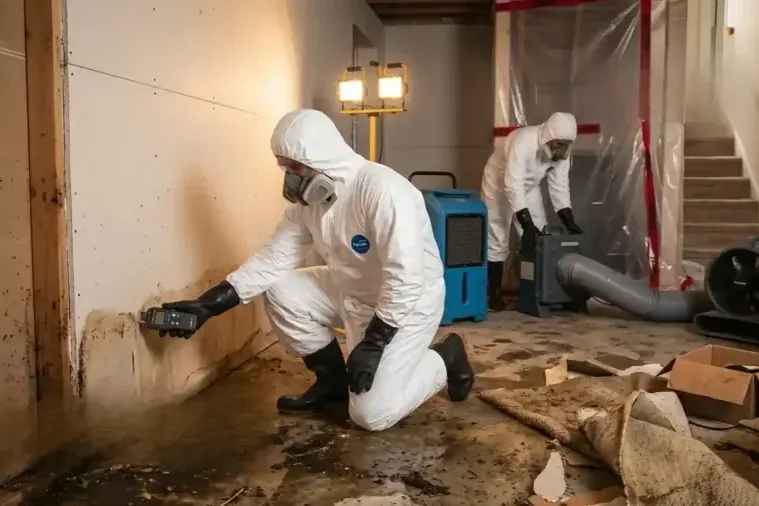
First steps for sewage backup cleanup in East Point
Stop using fixtures
Do not flush, run the dishwasher or use sinks until the blockage is cleared.
Keep people out
Keep children, pets and anyone with health concerns away from the contaminated area.
Avoid touching it
Do not walk through or touch sewage without proper gear.
Call a cleanup team
Say where the backup happened and how far it spread.
What does sewage backup cleanup cost in East Point, GA?
Sewage cleanup costs more than clean water work because of protective gear, disposal and sanitizing. A bathroom is the low end, while widespread or long standing backups cost the most. Porous materials that cannot be cleaned add to the total.
Bathroom or small area
$2,500 to $5,000- Limited area
- Protective gear and disposal
- Full sanitizing
Basement or several rooms
$5,000 to $9,000- Larger footprint
- More materials
- Longer drying
Widespread or long-standing
$9,000 to $12,000- Many rooms involved
- Heavy removal
- Extended monitoring
Ranges only, never a quote: the category of water, the wet square footage, the material class and how soon drying began decide the final number. The water damage cost calculator turns your answers into a planning range.
How a sewage backup cleanup job is run here
Measured drying, steady dispatch and a clean record are what make the job hold up later.
Crews out at any hour
Nights, weekends and holidays, the nearest available crew rolls with extraction units, meters and dehumidifiers.
A dry goal in numbers
Wet materials are read against an unaffected spot in the same building, and the gear stays until the two match.
Records the insurer can follow
Daily readings, a moisture map and dated photos from before any tear-out go into one claim file.
Planned for the building
Older homes, lofts and newer construction dry differently, so equipment is placed to suit the walls and floors in front of the crew.
When a drain stops carrying waste away, the water has nowhere to go but back up through floor drains, tubs and toilets. That water is not simply wet. It carries bacteria and should be handled with gloves, masks and disposal rules rather than a mop. Splash zones near tubs and floor drains often extend farther than they appear.
What causes backups in the city
The city says about 85 percent of grease related sewer blockages and overflows start in residential areas, and groundwater leaking into the sewer system can take up space meant for sewage. In September 2025 a collapsed concrete sewer trunk released about 18,800 gallons of wastewater into the South River, a reminder that the sewer system is under real strain.
Sewage coming up through a drain? Keep clear, then describe it to a response team so the cleanup is planned.
Say where sewage surfacedHow a backup cleanup is run
- Containing the area and shutting off affected fixtures
- Extracting sewage water with pumps and wands
- Removing carpet, padding and porous drywall that cannot be cleaned
- Applying disinfectant before drying equipment goes in
What the city and the crew each cover
The city's Water and Sewer Department handles overflows and does site visits to advise property owners about sewer problems. Cleanup inside the building is a separate job. The city also lists sealing off sewer pipes in the dwelling as one flood protection retrofit, which a plumber can discuss.
Outside references: EPA sanitary sewer overflows and Ready.gov flood safety.
How sewage backup cleanup is handled, start to finish
- 01
Contain the area
Plastic barriers limit the spread.
- 02
Remove and extract
Water and ruined materials leave the home.
- 03
Sanitize surfaces
Disinfectant is applied to what remains.
- 04
Dry and verify
Equipment runs until readings are normal.
Sewage backup cleanup across East Point and nearby communities
Backup calls reach homes across Jefferson Park, Colonial Hills, Frog Hollow and Semmes Park, plus Marion Park, Piney Wood Hills, Sumner Park and the streets near the South River.
The same service nearby: sewage backup cleanup in Mableton, College Park, Atlanta.
Sewage Backup Cleanup questions, answered
Is sewage water dangerous to touch?
Yes. It can carry bacteria and viruses, so contact should be avoided and cleanup done with protective equipment. Even dried sewage residue can be a hazard.
Can carpet be saved after a sewage backup?
Usually not. Porous materials that soaked up sewage are typically removed and replaced rather than cleaned. Hard surfaces such as tile can usually be cleaned and sanitized in place.
Who handles the sewer overflow outside the home?
The city's Water and Sewer Department covers public overflows and does site visits, while cleanup inside is a separate job.
Does homeowner insurance cover sewage backups?
Coverage varies and often needs a separate endorsement, so reading the policy and keeping photos is wise.
What helps prevent backups?
Keeping grease out of drains matters, since the city traces most grease related blockages to residential areas.
How long does cleanup take?
A small area may take a day or two, while a basement or several rooms can run longer with drying and sanitizing.
Get the sewage cleaned up
Tell the crew where the backup happened and how far it spread so gear and disposal are planned.