Storm and flash flood cleanup in Brookhaven
When heavy rain overwhelms a yard or a street, water finds doors, thresholds and low rooms. Crews clear it, strip soaked materials and dry the structure before damage deepens.
Call after a downpourOpen 24/7: (888) 532-4616
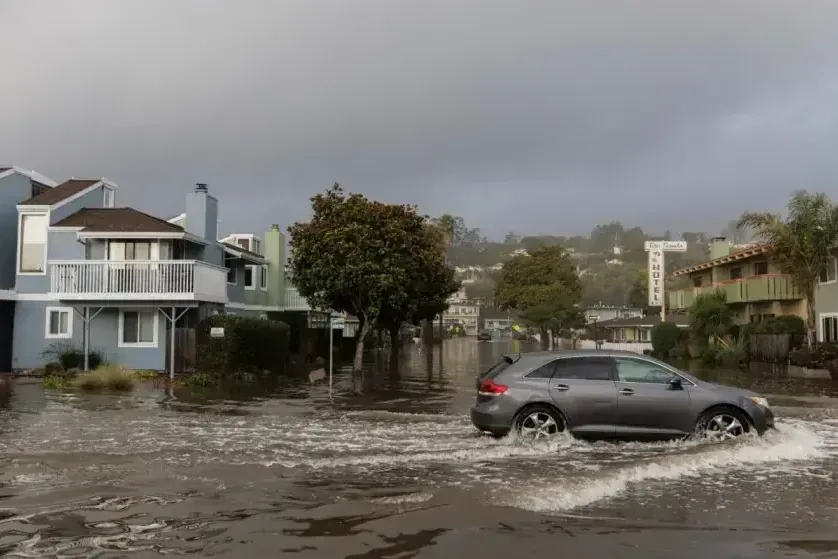
First steps for storm and flash flood cleanup in Brookhaven
Stay out of the water
Flood water can hide debris and live electrical current, so wait until power to the area is off.
Move valuables up
Lift papers, electronics and keepsakes to higher shelves before more water arrives.
Document the damage
Photograph the water level, the entry point and every damaged item for the insurer.
Call before cleaning
Describe the depth and the rooms so the crew brings pumps and protective gear.
What does storm and flash flood cleanup cost in Brookhaven, GA?
Storm and flash flood cleanup costs more than a clean pipe leak because flood water is contaminated and often spreads through several rooms. Depth, materials removed and drying time set the final figure.
One room or entry
$3,000 to $6,000- Water and mud removed
- Wet flooring stripped
- Surfaces sanitized
Basement or lower level
$6,000 to $10,000- Deeper water pumped
- Drywall cut out
- Longer drying run
Several rooms or levels
$10,000 to $15,000- Wide spread of water
- Heavy material removal
- Full documentation
Ranges only, never a quote: the category of water, the wet square footage, the material class and how soon drying began decide the final number. The water damage cost calculator turns your answers into a planning range.
How a storm and flash flood cleanup job is run here
Measured drying, steady dispatch and a clean record are what make the job hold up later.
Crews out at any hour
Nights, weekends and holidays, the nearest available crew rolls with extraction units, meters and dehumidifiers.
A dry goal in numbers
Wet materials are read against an unaffected spot in the same building, and the gear stays until the two match.
Records the insurer can follow
Daily readings, a moisture map and dated photos from before any tear-out go into one claim file.
Planned for the building
Older homes, lofts and newer construction dry differently, so equipment is placed to suit the walls and floors in front of the crew.
Storm water differs from a pipe leak because it carries soil, debris and bacteria into the building. Nancy Creek and Peachtree Creek run through the city, and Murphey Candler Lake and Silver Lake sit inside residential areas, but heavy rain can send water into a building anywhere in the metro, so storm water is treated as a risk that follows the weather rather than the map.
Why storm water counts as contaminated
Runoff crosses lawns, streets and drains before it reaches a building, so it collects soil, oils and overflow from overloaded systems. The crew wears protective gear, bags carpet and pad that cannot be cleaned and sanitizes surfaces that can stay. Regional events, such as the heavy rain and flooding of December 2015 across North and Central Georgia, show how widely one storm can spread.
Water came in with the storm? Describe the depth and the rooms and the crew plans extraction and drying.
Report the flood damageWhat the cleanup includes
- Pumping out water and clearing mud from floors and thresholds
- Removing carpet, pad and drywall that touched flood water
- Cleaning and sanitizing hard surfaces that can be saved
- Setting dehumidifiers and air movers to dry the structure
After the water drops
Flooded buildings stay damp long after the visible water is gone. Drying equipment keeps running and readings are logged until the framing and subfloor return to normal levels. Tenants and shop owners should tell the property manager early. See basement flooding cleanup for lower levels or return to the city hub.
Outside references: FloodSmart, the National Flood Insurance Program and National Weather Service flood safety.
How storm and flash flood cleanup is handled, start to finish
- 01
Pump and clear
Remove water, mud and debris.
- 02
Strip wet materials
Bag flood soaked carpet and drywall.
- 03
Sanitize
Clean the surfaces that can stay.
- 04
Dry and verify
Run equipment until readings are normal.
Storm and flash flood cleanup across Brookhaven and nearby communities
Crews respond to storm water calls around Murphey Candler Park, Silver Lake, Cambridge Park, Hampton Hall and Oglethorpe Estates, in homes near Nancy Creek and Peachtree Creek, and at commercial strips on Buford Highway.
The same service nearby: storm and flash flood cleanup in Mableton, Atlanta, East Point.
Storm and Flash Flood Cleanup questions, answered
Is storm flood water safe to touch?
No. It can carry sewage, chemicals and bacteria, so skin contact and wet cleanup without protective gear are risky. The crew treats it as contaminated until proven otherwise.
What can be saved after a flood?
Hard surfaces and solid wood furniture can often be cleaned and dried. Carpet, pad, mattresses and drywall that sat in flood water usually have to go.
Does a standard policy cover rain flooding?
Many homeowner policies exclude surface flood water, and a separate flood policy may apply. The insurer decides, so photos and early reporting matter.
Do the creeks and lakes in the city matter?
Nancy Creek, Peachtree Creek, Murphey Candler Lake and Silver Lake are part of the local landscape. Heavy rain can send water into a building anywhere in the metro, whatever its distance from them.
How soon can mold become a concern?
Mold can begin within 24 to 48 hours in wet materials, so removal and drying start as early as possible.
Does the crew pump water from a yard?
The focus is water inside the building. Yard drainage and grading belong to a landscaper or drainage contractor.
Storm water needs a quick plan
Share what flooded and how deep the water is, and the response team loads pumps, protective gear and drying equipment.