Storm and flash flood cleanup in East Point
Creek overflow and street runoff carry silt and bacteria into homes. The response team pumps the water out, removes what it ruined and sanitizes and dries the rooms it reached.
Clear out the flood waterOpen 24/7: (888) 532-4616
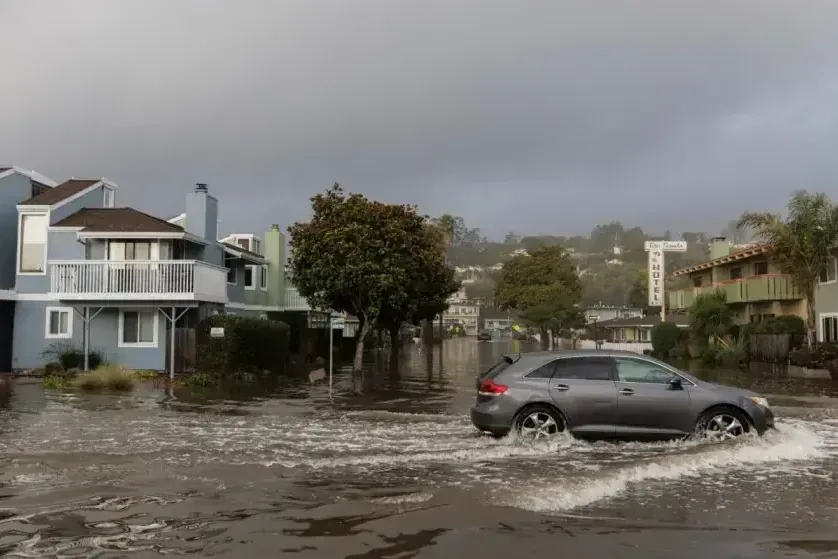
First steps for storm and flash flood cleanup in East Point
Stay out of the water
Flood water can hide electric hazards, sharp debris and bacteria, so wait until it is safe to enter.
Shut off utilities
Turn off the main breaker only if it is dry and reachable, and avoid wet appliances.
Photograph everything
Document water lines, damaged contents and the outside conditions before moving anything.
Call a flood crew
Describe the depth and the rooms reached so the pumps and gear are matched.
What does storm and flash flood cleanup cost in East Point, GA?
Flood cleanup runs higher than a clean leak because runoff must be sanitized. One room is the low end, while lower levels and several rooms push the total up. Sanitizing and disposal add to every tier.
One room or entry
$3,000 to $6,000- Single area
- Runoff removed
- Surfaces sanitized
Basement or lower level
$6,000 to $10,000- Deeper water
- Finishes removed
- Longer drying
Several rooms or levels
$10,000 to $15,000- Large footprint
- Many materials
- Extended monitoring
Ranges only, never a quote: the category of water, the wet square footage, the material class and how soon drying began decide the final number. The water damage cost calculator turns your answers into a planning range.
How a storm and flash flood cleanup job is run here
Measured drying, steady dispatch and a clean record are what make the job hold up later.
Crews out at any hour
Nights, weekends and holidays, the nearest available crew rolls with extraction units, meters and dehumidifiers.
A dry goal in numbers
Wet materials are read against an unaffected spot in the same building, and the gear stays until the two match.
Records the insurer can follow
Daily readings, a moisture map and dated photos from before any tear-out go into one claim file.
Planned for the building
Older homes, lofts and newer construction dry differently, so equipment is placed to suit the walls and floors in front of the crew.
Heavy rain turns small creeks and city streets into a flow of dirty water, and some of it ends up inside houses. Storm water arrives quickly, often carrying mud that dries into a film on floors and baseboards. Parts of the city have flooded from Camp Creek, Utoy Creek and the South River, and low lying ground near streams takes the worst of it.
What past floods taught the city
The city says its most recent major floods came in the fall of 2009 and the winter of 2010, with 1 to 3 feet of water in some areas. It also says flooding usually damages the contents of a building more than the building itself. That matches the work: furniture, boxes and floor coverings are lost first, and structure follows when water lingers.
Flood water inside after the storm? Describe the depth and rooms to a response team and the pumps are planned.
Describe the floodThe cleanup sequence
- Pumping flood water and clearing silt from floors
- Removing wet carpet, padding, insulation and low drywall
- Sanitizing surfaces that touched runoff
- Drying framing and floors with air movers and dehumidifiers
Warnings, coverage and keeping records
National Weather Service flash flood warnings from Peachtree City have named the city, listing small creeks, streets and underpasses as risks. Because homeowner policies do not cover flood damage, photos and moisture logs matter when a separate flood policy is involved. Keeping receipts for emergency repairs also helps.
Outside references: FloodSmart, the National Flood Insurance Program and National Weather Service flood safety.
How storm and flash flood cleanup is handled, start to finish
- 01
Assess the flood
Depth, debris and contamination are checked first.
- 02
Pump and clear
Water and silt are removed from floors.
- 03
Strip and sanitize
Ruined material is discarded and surfaces cleaned.
- 04
Dry and verify
Equipment runs until readings settle.
Storm and flash flood cleanup across East Point and nearby communities
Flood calls reach areas near Camp Creek and Utoy Creek, River Walk, Colonial Hills, Frog Hollow and the corridors around Camp Creek Marketplace, Main Street and Headland Drive.
The same service nearby: storm and flash flood cleanup in Mableton, College Park, Atlanta.
Storm and Flash Flood Cleanup questions, answered
Is storm flood water considered contaminated?
Yes. Runoff mixes with soil, chemicals and sewage, so the crew removes porous materials that touched it and sanitizes the rest.
Does homeowner insurance cover a flash flood?
The city says homeowner policies do not cover flood damage, and East Point takes part in the National Flood Insurance Program for separate coverage.
How do warnings reach residents?
The city uses CodeRED to call residents about tornado, flash flood and severe weather warnings, alongside National Weather Service alerts.
Can a flooded room be dried or must it be gutted?
That depends on how long the water sat and what it carried. Clean, brief flooding may dry in place, while runoff usually means removal.
Why does flood damage often hit belongings hardest?
The city notes that flooding generally harms contents more than the building, since furniture and boxes sit low and absorb water.
Should valuables be moved before a storm?
Raising small items and papers off the floor helps, and photos taken beforehand make any later documentation easier.
Start the post storm cleanup
A short call about depth and affected rooms helps the crew bring pumps, sanitizer and drying equipment.