Basement Flooding Cleanup in College Park, GA
Water in a lower level comes from heavy rain, a failed sump pump or a backed up drain. The crew pumps it out, removes what cannot be saved and dries the framing and slab until readings are normal.
Pump out the lower levelOpen 24/7: (888) 532-4616
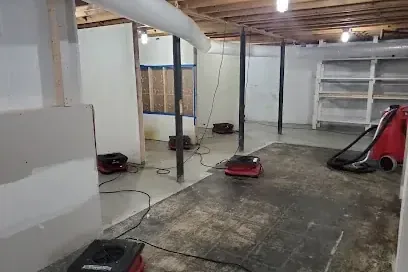
First steps for basement flooding cleanup in College Park
Cut the power
Switch off breakers to the lower level from a dry panel, and stay out of water near outlets.
Photograph the water level
Shoot the walls, stored items and floor before pumping so the claim shows how high the water rose.
Move what can be saved
Carry electronics, papers and keepsakes upstairs, and leave heavy furniture for the crew.
Call for pumps
Name the source if known, whether rain, the sump pump or a drain, so the right equipment is loaded.
What does basement flooding cleanup cost in College Park, GA?
An unfinished lower level with clean water often costs $2,000 to $4,000, a finished one $4,000 to $8,000, while drain or flood water that needs contamination controls can reach $12,000, depending on depth and the finishes involved.
Unfinished, clean water
$2,000 to $4,000- Pump-out and cleanup
- Slab dried
- Few materials removed
Finished, clean water
$4,000 to $8,000- Drywall and carpet removed
- More dehumidifiers
- Walls dried
Drain backup or flood water
$7,000 to $12,000- Contaminated water rules
- Porous items discarded
- Surfaces cleaned
Ranges only, never a quote: the category of water, the wet square footage, the material class and how soon drying began decide the final number. The water damage cost calculator turns your answers into a planning range.
How a basement flooding cleanup job is run here
Measured drying, steady dispatch and a clean record are what make the job hold up later.
Crews out at any hour
Nights, weekends and holidays, the nearest available crew rolls with extraction units, meters and dehumidifiers.
A dry goal in numbers
Wet materials are read against an unaffected spot in the same building, and the gear stays until the two match.
Records the insurer can follow
Daily readings, a moisture map and dated photos from before any tear-out go into one claim file.
Planned for the building
Older homes, lofts and newer construction dry differently, so equipment is placed to suit the walls and floors in front of the crew.
A flooded lower level fills fast and drains slowly. Water presses against walls, soaks carpet and drywall, and sits on the slab until pumps remove it. The sooner the pumping starts, the less of the finished space has to be thrown away, and the quicker the framing and concrete can return to a normal reading.
Rain, yards and lower rooms
Basements are not documented for the city, so nothing here says they are common. What is documented is the Flint River headwaters, which Finding the Flint says surge into backyards and parking lots in heavy rain. Where a house has a lower room, that kind of runoff is one way it floods, along with a failed sump pump or a drain that pushes water back up. Runoff and drain water count as contaminated, so the handling follows storm flood cleanup rules.
Water in a lower level and still rising? Stay clear of outlets, switch off power and call with the details.
Send pumps to the lower levelWhat the crew does in a flooded lower level
- Pumps standing water with submersible and truck-mounted equipment
- Removes wet carpet, pad and drywall that the water reached
- Cleans and treats surfaces that touched contaminated water
- Dries the slab and framing with dehumidifiers and air movers
Before the pumps arrive
Stay out of standing water until power is off, since outlets and appliances may be live. Switch off breakers from a dry panel, move valuables upstairs and photograph the high water mark on the walls before the level drops. The records help the adjuster see how high the water reached, and the crew uses them to plan how much needs to come out.
Outside references: FloodSmart, the National Flood Insurance Program and National Weather Service flood safety.
How basement flooding cleanup is handled, start to finish
- 01
Pump out
Standing water leaves the lower level
- 02
Remove
Wet drywall, carpet and pad come out
- 03
Treat
Surfaces cleaned where water touched them
- 04
Dry down
Slab and framing reach a measured target
Basement flooding cleanup across College Park and nearby communities
Lower level calls cover Historic College Park, Downtown College Park and Airport City, with ZIP codes 30337 and 30349 and the yards and lots where heavy rain collects.
The same service nearby: basement flooding cleanup in Mableton, East Point, Atlanta.
Basement Flooding Cleanup questions, answered
How quickly does a flooded lower level need pumping?
As soon as possible. Water soaks drywall and carpet more every hour, and growth can start in 24 to 48 hours, so pumping is the first job.
Does the whole finished space come out?
Not always. Only wet drywall, carpet and pad that cannot be dried are removed, based on meter readings and the water type.
Is rain water in a basement contaminated?
Runoff and drain water are treated as contaminated, so surfaces are cleaned and porous materials are usually removed.
Can a sump pump failure be covered by insurance?
Coverage varies. Some policies exclude it unless endorsed, so ask the insurer and keep photos and readings.
How long does the slab take to dry?
Several days is common. Concrete releases moisture slowly, so readings decide when equipment leaves, not the calendar.
Are basements common in the city?
That is not documented, so no claim is made. The page applies wherever a home has a lower level that floods.
Lower level flooded right now?
Pumps can begin removing water as soon as dispatch knows the depth and the source. Call now.