Storm and Flash Flood Cleanup in College Park, GA
Runoff that gets inside after a downpour carries soil and sewage, so the response team treats it as contaminated, pumps it out, removes soaked materials and dries the structure.
Clear the storm water from the houseOpen 24/7: (888) 532-4616
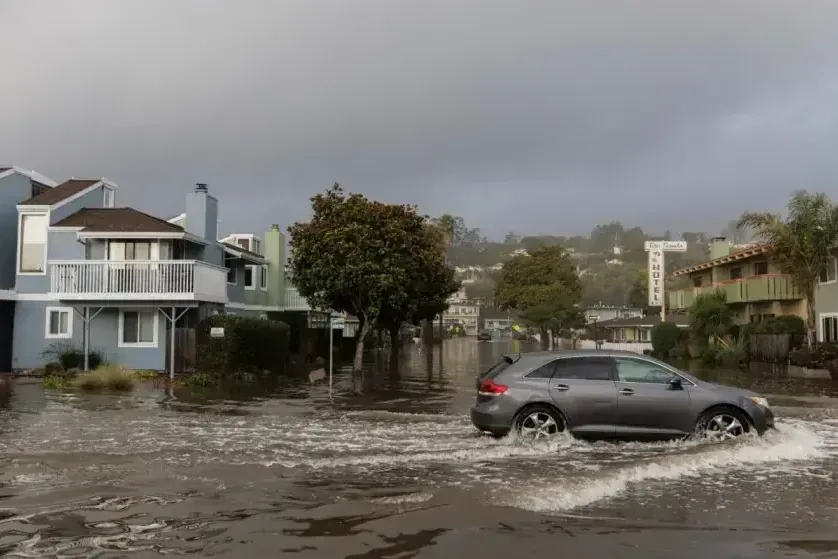
First steps for storm and flash flood cleanup in College Park
Stay out until power is off
Switch off breakers from a dry panel and avoid wading toward outlets or appliances.
Wear protective gear
Boots and gloves protect against contaminated water, and children and pets should stay away.
Photograph before cleanup
Shoot every wet room, the high water mark and ruined belongings before anything is discarded.
Call for pumps
Describe how deep the water got so the truck carries the right pumps and cleaning supplies.
What does storm and flash flood cleanup cost in College Park, GA?
One room or an entry often costs $3,000 to $6,000, a lower level $6,000 to $10,000, and several rooms or levels can climb as high as $15,000 because contaminated water needs removal and cleaning.
One room or entry
$3,000 to $6,000- Runoff pumped
- Soaked flooring removed
- Surfaces cleaned
Basement or lower level
$6,000 to $10,000- Large volume pumped
- Drywall cut out
- Slab dried
Several rooms or levels
$10,000 to $15,000- Widespread removal
- Extended drying
- Full documentation
Ranges only, never a quote: the category of water, the wet square footage, the material class and how soon drying began decide the final number. The water damage cost calculator turns your answers into a planning range.
How a storm and flash flood cleanup job is run here
Measured drying, steady dispatch and a clean record are what make the job hold up later.
Crews out at any hour
Nights, weekends and holidays, the nearest available crew rolls with extraction units, meters and dehumidifiers.
A dry goal in numbers
Wet materials are read against an unaffected spot in the same building, and the gear stays until the two match.
Records the insurer can follow
Daily readings, a moisture map and dated photos from before any tear-out go into one claim file.
Planned for the building
Older homes, lofts and newer construction dry differently, so equipment is placed to suit the walls and floors in front of the crew.
Storm water that reaches the inside of a house is not like water from a pipe. It crosses yards, driveways and parking lots on the way, picking up soil, fuel and sewage, so the cleanup starts with protective gear and treats everything it touched as suspect.
Where the water starts
The Flint River begins in the East Point and College Park area, where small headwater streams were buried, piped or built over as the land developed. Finding the Flint reports that in heavy rain the headwaters surge into parking lots and backyards. It also says residential areas that once flooded severely have been replaced by secure detention ponds. Those ponds change the flooding pattern but do not remove the risk of runoff reaching a door, and a flooded lower level calls for basement flooding cleanup.
Runoff inside the house? Keep out of the water until power is off, then call and describe the rooms.
Tell dispatch about the floodWhat the storm cleanup covers
- Pumping runoff from floors, entries and any lower levels
- Cutting out drywall, insulation and carpet the water soaked
- Cleaning and treating hard surfaces that stayed in place
- Drying framing and floors until readings match a dry reference
Right after the water recedes
Wear boots and gloves, keep children and pets out, and switch off power to wet rooms before entering. Photograph every room, since the claim depends on showing the damage before anything is thrown out. Flood damage is often excluded from standard policies, so ask the insurer which coverage applies.
Outside references: FloodSmart, the National Flood Insurance Program and National Weather Service flood safety.
How storm and flash flood cleanup is handled, start to finish
- 01
Pump out
Runoff leaves every wet room
- 02
Remove
Soaked drywall, carpet and insulation come out
- 03
Clean
Hard surfaces washed and disinfected
- 04
Dry down
Equipment runs until readings match a dry reference
Storm and flash flood cleanup across College Park and nearby communities
Storm cleanup spans Historic College Park, Downtown College Park and Airport City, the 30337 and 30349 ZIP codes and the yards and parking lots that take in heavy rain.
The same service nearby: storm and flash flood cleanup in Mableton, East Point, Atlanta.
Storm and Flash Flood Cleanup questions, answered
Why is storm water treated as contaminated?
It crosses yards and pavement and can carry soil, fuel and sewage, so porous materials it touched are usually removed and hard surfaces are cleaned.
Do detention ponds end the flooding?
No. They replaced areas that once flooded severely, but heavy rain can still send runoff toward a door, so the risk changes rather than disappears.
Can wet carpet and drywall be saved?
Rarely after storm water. Porous materials that touched runoff are generally cut out, while hard surfaces are cleaned and dried.
Does insurance cover flood damage?
Standard policies often exclude flood, so check for separate flood coverage and ask the insurer before a loss.
How long does a storm cleanup take?
Several days is common, since removal, cleaning and drying happen in sequence and readings decide when it ends rather than a set number of days.
Should children and pets stay out?
Yes. Contaminated water and damaged materials can cause illness or injury, so keep them out until the cleanup is finished.
Storm water in the house?
The response team can start pumping and removing soaked materials once dispatch has the room list. Call now.