Basement flooding cleanup in East Point
Water in a lower level soaks drywall, carpet and stored belongings fast. The extraction crew pumps it out, removes what cannot be saved and dries the walls and slab.
Pump out the lower levelOpen 24/7: (888) 532-4616
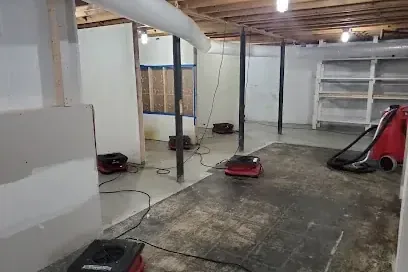
First steps for basement flooding cleanup in East Point
Stay off wet stairs
Do not enter standing water when outlets or panels may be submerged.
Turn off the power
Cut breakers for the lower level only if the panel is dry and reachable.
Photograph the damage
Take pictures of water level, stored items and the cause if visible.
Call a pump crew
Say how deep the water is and where it came from.
What does basement flooding cleanup cost in East Point, GA?
Basement flooding costs depend on finish level and water type. An unfinished space with clean water is the lowest range, while drain backups and flood water cost the most. Finished spaces cost more because drywall and flooring must be replaced.
Unfinished, clean water
$2,000 to $4,000- Bare concrete and framing
- Water pumped out
- Basic fan drying
Finished, clean water
$4,000 to $8,000- Drywall removed
- Carpet pulled
- Longer drying
Drain backup or flood water
$7,000 to $12,000- Contaminated water
- Materials discarded
- Sanitizing added
Ranges only, never a quote: the category of water, the wet square footage, the material class and how soon drying began decide the final number. The water damage cost calculator turns your answers into a planning range.
How a basement flooding cleanup job is run here
Measured drying, steady dispatch and a clean record are what make the job hold up later.
Crews out at any hour
Nights, weekends and holidays, the nearest available crew rolls with extraction units, meters and dehumidifiers.
A dry goal in numbers
Wet materials are read against an unaffected spot in the same building, and the gear stays until the two match.
Records the insurer can follow
Daily readings, a moisture map and dated photos from before any tear-out go into one claim file.
Planned for the building
Older homes, lofts and newer construction dry differently, so equipment is placed to suit the walls and floors in front of the crew.
Not every house has a lower level, and the city only says that some of its larger brick ranch style homes farther from downtown come with garages or basements. For the ones that do, water finds that space first, whether it rises from a drain, seeps through a wall or arrives with a heavy storm.
When creeks and storm drains are the cause
The city notes that flooding in town most commonly occurs from June to November, with Camp Creek, Utoy Creek and the South River all having flooded different areas. The Storm Water Division began work in 2012 to replace storm drain pipes and reduce flooding. Even so, a heavy burst of rain can overwhelm a yard drain and push water against a foundation.
Lower level taking on water? Describe the depth and the source to a response team and the pumps get planned.
Detail the basementWhat cleanup covers
- Pumping out standing water and clearing the floor drain
- Pulling soaked carpet, padding and the bottom of drywall
- Moving or tossing stored items that absorbed water
- Dehumidifying the room until the slab and walls read dry
Clean water versus drain and flood water
Water from a failed pump or supply pipe is treated as clean at first, but drain backups and floodwater carry bacteria and silt. That water calls for protective gear, tighter disposal and sanitizing of every surface it touched. A crew sorts the category before anything gets moved, because it changes what can be kept. Floor drains are flushed and checked afterward.
Outside references: FloodSmart, the National Flood Insurance Program and National Weather Service flood safety.
How basement flooding cleanup is handled, start to finish
- 01
Check the water
Depth and category are assessed first.
- 02
Pump and extract
Standing water leaves through hoses and pumps.
- 03
Remove ruined material
Wet carpet, padding and drywall are taken out.
- 04
Dry and log
Dehumidifiers run until readings settle.
Basement flooding cleanup across East Point and nearby communities
Lower level calls reach homes in Headland Forest and Delowe Connally Estate, parts of Jefferson Park, River Walk, Golden Acres, and streets near Camp Creek and Utoy Creek.
The same service nearby: basement flooding cleanup in Mableton, College Park, Atlanta.
Basement Flooding Cleanup questions, answered
Is basement water always dangerous?
Not always, but standing water near outlets is an electrical risk and drain or flood water can carry bacteria. Wait for the power to be shut off.
Can a finished basement be saved?
Often, if the water was clean and removal started quickly. Wet drywall and carpet commonly have to come out.
Does the city help with a flooded basement?
The Water and Sewer Department does site visits to look into flooding, drainage and sewer problems and to advise property owners.
What causes a basement to flood without rain?
A failed pump, a drain backup, a broken pipe or a high water table can each bring water in without a storm.
Will flood insurance cover it?
The city says homeowner policies do not cover flood damage, so separate flood insurance matters, and sewer backups may need their own coverage.
How long until a basement is dry?
Several days is typical, depending on the amount of water, finished materials and how humid the home is.
Get the lower level dried
Tell the crew how deep the water is and whether it came from rain or a drain so the right equipment is loaded.